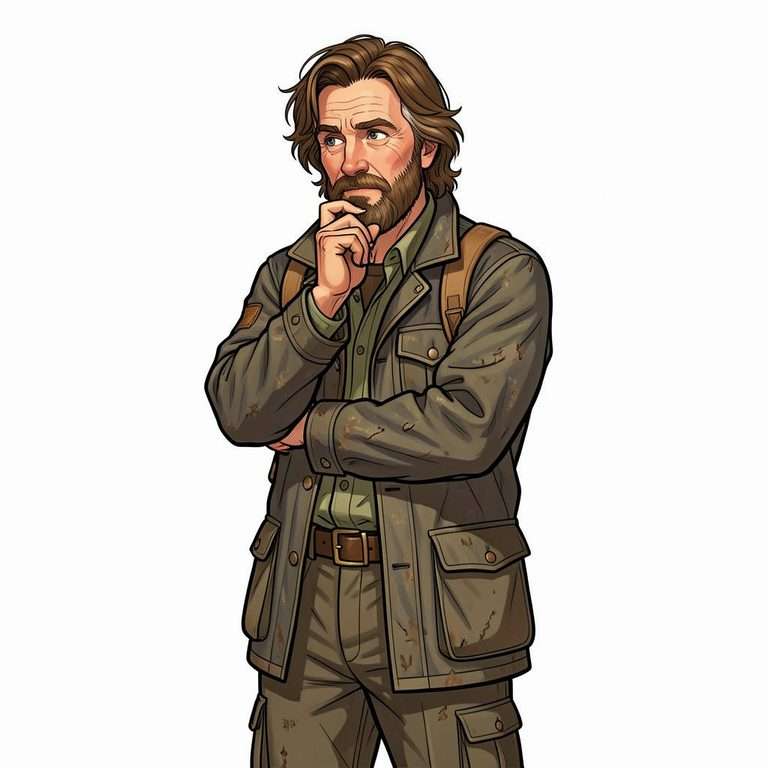
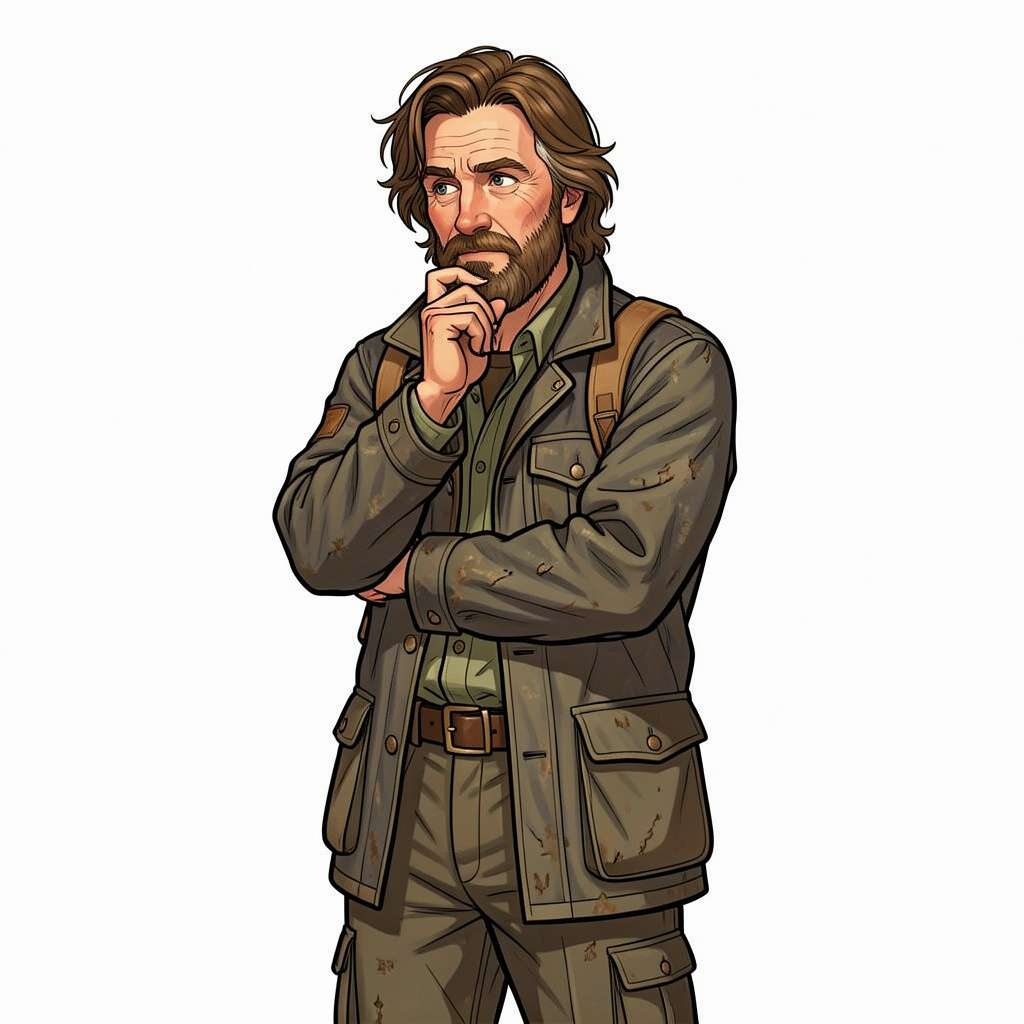
Ask Rowan #001: Where Do I Start with Bushcraft?
Welcome to Ask Rowan, where we tackle your questions about bushcraft, outdoor skills and becoming more self-reliant outdoors.
Perhaps you’ve watched someone light a fire without matches, build a shelter in the woods or identify a tree just by looking at its bark. It looks impressive, and you’d love to learn how to do it yourself.
But then you start looking into bushcraft and discover hundreds of different skills, specialist tools and people who seem to know everything there is to know about the outdoors.
Where are you supposed to begin?
The good news is that you don’t need an expensive collection of equipment, years of experience or access to a private woodland to get started. You simply need somewhere appropriate to practise, a willingness to learn and a sensible approach to building your skills.
Let’s start with the basics.
Rowan’s Advice: Start with the Skills You’ll Actually Use
If I were starting my bushcraft journey today, I wouldn’t begin by trying to build an elaborate woodland shelter or light a fire using nothing but two sticks.
I’d start by learning to understand my surroundings, looking after myself outdoors and becoming comfortable with the basic skills that make time outside safer and more enjoyable.
Bushcraft isn’t about collecting equipment or proving how tough you are. It’s about understanding the natural world and learning to make sensible use of your knowledge, abilities and resources.
Here are five areas I’d concentrate on first.
1. Learn to Read Your Surroundings
Before you start trying to make things from wood or light fires, spend some time learning to notice what’s actually happening around you.
Can you recognise a few common trees? Do you understand how the ground changes after heavy rainfall? Can you identify the direction of a path on a map? Have you started noticing animal tracks, fallen branches and changes in the weather?
You don’t need to know the answer to everything that you see.
Start by choosing a few common trees and learning to recognise them using several features, including their leaves, buds, bark and overall shape. Pay attention to your surroundings when walking somewhere familiar, and try to notice details you would previously have ignored.
Your first task: Choose three trees in a local park or other place where you’re permitted to explore. See whether you can identify them and explain which features helped you.
You’ll probably discover that the more you look, the more you notice.
2. Learn a Few Useful Knots
Knots are an excellent place to begin because you can practise many of them at home without needing a woodland or specialist equipment.
Start with a small selection rather than trying to memorise dozens.
Learn how to tie a reef knot, a clove hitch and a figure-eight knot, understanding what each is intended to do and where its limitations lie.
Don’t just watch someone tie a knot and assume you’ve learned it. Practise tying it yourself, check the finished result and repeat the process until you can do it without constantly referring to instructions.
Use suitable cordage and remember that ordinary knots should never be assumed safe for climbing, life support or other situations where failure could cause serious injury.
Your first task: Choose one knot, learn its purpose and practise tying it correctly five times in succession.
It’s a small exercise, but being able to reproduce a skill reliably is much more useful than vaguely remembering having watched a video about it.
3. Understand Fire Preparation
Firecraft is one of the best-known aspects of bushcraft, but there’s far more to it than lighting a flame.
You need to understand suitable fuel, how different sizes of wood are used, why moisture matters and how to prepare a fire lay. You also need to understand when fires are permitted and how to prevent them from damaging the environment.
You can learn a surprising amount without lighting anything.
Start by studying the characteristics of different types of deadwood, looking at how small twigs differ from larger pieces and learning why dry, appropriately sized fuel matters.
When you have access to a permitted fire site, you can begin practising under suitable supervision or with appropriate experience and precautions.
Never light a fire simply to complete a challenge if conditions, local restrictions or the location make it inappropriate.
Your first task: Learn the basic stages of preparing a fire lay and explain why you need different sizes of fuel.
You can practise arranging suitable materials without lighting them, provided gathering and handling those materials are permitted.
4. Learn Basic Navigation
Navigation is one of those skills that can seem intimidating until you break it into manageable steps.
Start with a map of a familiar area. Learn how it represents paths, roads, woodland, hills and other features. Then begin learning how to use a compass and relate the map to the landscape around you.
You don’t need to head into remote countryside to begin practising.
A familiar park or well-established walking route can provide a useful starting point, provided you remain in an appropriate area and have a sensible plan.
As your confidence develops, you can progress to planning short routes, estimating distances and using a map and compass together.
Keep your phone available as a useful additional resource, but don’t rely on it as your only means of navigation.
Your first task: Study a local map and identify five features you recognise from the real landscape.
Once you can connect what you see on the map with what you see around you, navigation starts to become much easier to understand.
5. Learn to Look After Yourself Outdoors
This might not sound as exciting as fire lighting or shelter building, but it’s one of the most important areas to understand.
Learn how to dress appropriately for changing weather, carry enough drinking water, plan a sensible route and recognise when conditions are becoming uncomfortable or unsafe.
Understand the importance of telling someone where you’re going, checking the forecast and knowing when to turn back.
You should also become familiar with basic first aid and understand what to do if you or someone else needs assistance.
These aren’t skills you should postpone until you’re planning a challenging expedition. They’re part of becoming a responsible outdoor learner from the very beginning.
Your first task: Before your next walk, check the weather, plan your route and prepare suitable clothing and essential supplies.
Getting these simple things right will help you enjoy your time outdoors while reducing avoidable risks.
Do I Need to Buy Bushcraft Equipment?
Not as much as you might think.
It’s easy to look at photographs of elaborate bushcraft kits and assume you need the same equipment before you can begin learning.
You don’t.
A notebook, pencil, suitable outdoor clothing and access to a map can be enough to begin developing your observation and navigation skills. If you already own suitable walking equipment, there’s a good chance you have what you need for many beginner activities.
You can practise knots using appropriate cordage, study trees without owning a knife and learn about fire preparation without buying a fire-steel kit.
As your skills develop, you can decide which equipment will genuinely help you.
When you do buy something, choose it for a particular purpose rather than purchasing it because someone online says every bushcrafter needs one.
Your knowledge and ability to use your equipment safely will matter far more than how much you spend.
What If I Don’t Have Access to Woodland?
This is a question worth addressing because not everyone lives near a forest or has permission to practise on private land.
You can still make meaningful progress.
Practise knots at home. Study maps of familiar areas. Learn to recognise common trees in public parks. Research the properties of different types of wood. Keep a notebook of observations from your walks.
You can also develop your understanding of weather, outdoor clothing, route planning and equipment maintenance without travelling anywhere.
Some practical skills, such as building shelters or lighting fires, require a suitable location and permission to carry them out. Never assume that you can light a fire, cut vegetation or gather natural materials simply because an area is publicly accessible.
Learn what you can where you are, and look for suitable opportunities to practise the rest.
You don’t have to master every aspect of bushcraft at once.
Your First Bushcraft Challenge
Here’s where I’d like you to put some of this advice into practice.
For your first task, choose one skill from this article and spend some time working on it.
It could be identifying three trees, learning a knot, studying a map or preparing a sensible checklist for your next walk.
Choose something achievable, complete it properly and think about what you’ve learned.
Don’t worry about comparing yourself with people who have been practising for years. Everyone starts somewhere, and the point is to build a foundation you can develop over time.
If you’re already a member of Pure Bushcraft, explore the relevant challenges and see whether there’s one you can complete to develop your chosen skill further.
A Word from Rowan
Here’s something worth remembering: you don’t become knowledgeable about the outdoors by trying to learn everything in a weekend.
You become knowledgeable by paying attention, practising regularly and learning from your experiences.
One day, you’ll recognise a tree you previously walked straight past. Another day, you’ll tie a knot without having to think about every movement. Eventually, you’ll look back and realise how much you’ve learned.
Don’t rush the process.
Learn one skill. Practise it properly. Then move on to the next.
That’s how you build a solid foundation in bushcraft.
Keep Learning with Pure Bushcraft
Ready to take your next step?
Explore Pure Bushcraft for practical guides, outdoor skills challenges and the Reference Library, where you can develop your knowledge of trees, plants, fungi, knots and other useful subjects.
Choose a skill that interests you and keep building on what you’ve learned.
You don’t need to know everything to get started. You just need to take the first step.
Got a Question for Rowan?
Is there something about bushcraft you’ve always wanted to know?
Perhaps you’re struggling with a particular skill, wondering what equipment to buy or trying to work out how to get started.
Send your question to Rowan. It could become the subject of a future Ask Rowan article on Pure Bushcraft.
Your question might be exactly what another beginner needs answered, too.
🔒Ready to test your survival skills?
Join Pure Bushcraft for free, complete challenges, earn badges and increase your Survival Level.
JOIN FREE →
CRAIG BURR
FOUNDER · PURE BUSHCRAFT
I'm Craig, the person behind Pure Bushcraft. I created Pure Bushcraft because I wanted somewhere people could learn real outdoor skills in a practical, straightforward way — from lighting a fire and tying knots to navigation, campcraft and everything in between.
You can read more about the story behind Pure Bushcraft here as well as our approach here.