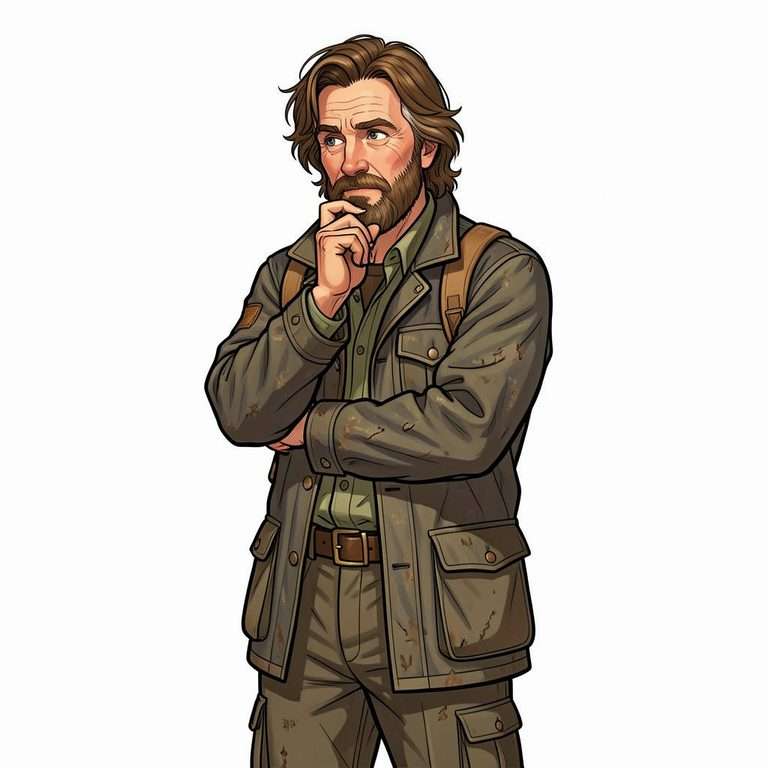
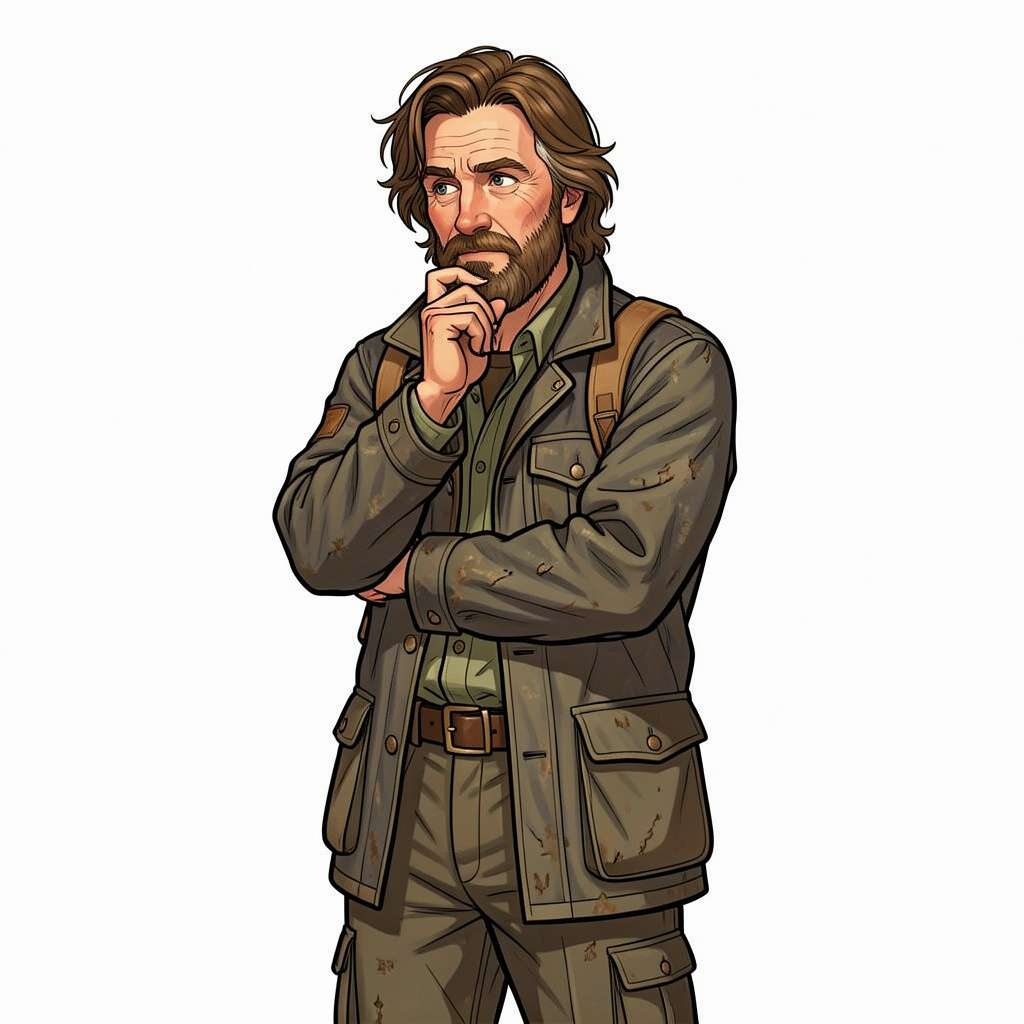
Ask Rowan #004: What Should I Look for in My First Bushcraft Knife?
Spend a little time looking at bushcraft videos and you’ll soon notice that knives attract a lot of attention.
There are fixed blades, folding knives, different steels, different handle materials and countless opinions about which design is best.
For someone just starting out, the choice can feel overwhelming. Do you need an expensive knife? Is a bigger blade better? Should you buy the same model as an experienced bushcrafter?
Not necessarily.
Before spending your money, it helps to understand what you actually need a knife for and whether you need one at all.
Rowan’s Advice: Choose for the Task, Not the Image
A bushcraft knife is a tool, not a badge of experience.
You don’t become a better bushcrafter simply by carrying one. Many important outdoor skills, including navigation, tree identification, knot tying and weather awareness, don’t require a knife.
If you’re new to bushcraft, start by learning the skills you want to develop. You may discover that a knife is useful for some activities but unnecessary for others.
When you do need one, choose a suitable tool that you can handle safely rather than buying something because it looks impressive.
1. Think About What You’ll Actually Use It For
Different tasks place different demands on a cutting tool.
Preparing food, cutting cordage and performing light woodcraft tasks aren’t necessarily best served by the same design.
Think about the activities you intend to practise and the tools appropriate to them. For some beginners, a simple pair of scissors or another suitable cutting tool may be sufficient for early practice.
You should also consider where you’ll be using and storing the tool. A knife intended for permitted bushcraft activities isn’t something to carry casually into everyday situations.
Buying equipment before understanding the task is an easy way to spend money unnecessarily.
2. Consider Size and Handling
A knife should be manageable for the person using it.
A large blade isn’t automatically more useful, and a smaller one isn’t automatically safer. The right choice depends on the task, the design and the user’s ability to control it.
Pay attention to the handle. It should provide a secure, comfortable grip, and the knife should feel controllable rather than awkward or unwieldy.
If you have the opportunity to examine a tool before buying it, do so responsibly and follow the retailer’s instructions.
Avoid choosing a knife purely because a review describes it as the ultimate bushcraft blade. Your own needs and experience matter more than someone else’s preference.
3. Understand Blade Maintenance
All knives need appropriate care.
Depending on the blade material and conditions, a knife may require cleaning, drying, careful storage and occasional sharpening.
A dull or damaged blade can make cutting tasks harder to control, so don’t assume that an old or neglected knife is suitable simply because it looks robust.
Learn the manufacturer’s recommended maintenance procedure and use suitable sharpening equipment only when you understand how to operate it safely.
Never rush sharpening or attempt unfamiliar techniques without proper instruction.
4. Don’t Ignore Safe Storage
A knife should have a suitable means of storage that protects the blade and helps prevent accidental contact.
When not in use, secure it according to the manufacturer’s instructions. Don’t leave it loose in a rucksack where the blade could be exposed or where someone could accidentally reach it.
Keep knives out of reach of children and other people who are not authorised or prepared to use them.
When working with a knife, maintain a clear space around you, keep your hands away from the cutting path and avoid cutting towards your body. Stop if you’re tired, distracted or struggling to maintain control.
If you’re learning, seek proper instruction before attempting more demanding woodcraft techniques.
5. Understand UK Knife Law Before Buying
This is particularly important if you’re planning to learn bushcraft in the UK.
The rules about owning a knife and carrying one in public are not the same. In England and Wales, the general exception for carrying a folding pocketknife without needing to demonstrate a specific reason applies only when the cutting edge is no longer than three inches and the knife is non-locking. Other knives generally require a lawful reason to be carried in public, and prohibited weapons are subject to separate restrictions.
The circumstances matter, and you shouldn’t assume that saying you enjoy bushcraft automatically makes carrying any knife lawful.
Before buying or transporting a knife, read the current official guidance: GOV.UK guidance on buying and carrying knives.
When travelling to a permitted outdoor activity, think carefully about whether you genuinely need to take the tool, how it will be transported and whether your circumstances provide a lawful reason to carry it.
Never carry a knife for self-defence.
6. Do You Need an Expensive Knife?
For most beginners, the answer is no.
Price alone doesn’t tell you whether a knife is suitable, comfortable or well made. Equally, an extremely cheap tool may have poor construction or may not be suitable for the task.
Set a sensible budget and compare reputable products, paying attention to the intended use, build quality, handling, maintenance requirements and safe storage.
Don’t spend money you can’t afford simply because a particular knife is popular in the bushcraft community.
If you’re still learning the basics, put some of your budget towards other essentials, such as suitable clothing, navigation equipment and first aid.
Those things can be far more important to your overall outdoor safety than owning a particular blade.
7. Learn the Skill Before Attempting Difficult Tasks
Owning a suitable knife doesn’t mean you’re ready to attempt every technique you see online.
Begin with the principles of safe handling and seek appropriate instruction before progressing to unfamiliar tasks.
Never throw a knife, use it as a substitute for a tool it wasn’t designed for or attempt a technique that exceeds your ability.
You should also respect the environment. Don’t cut living trees or remove natural materials without permission. In many places, collecting wood or altering vegetation is restricted.
Good bushcraft includes knowing when not to use a tool.
Your Bushcraft Challenge
Before buying a knife, write down three outdoor tasks you genuinely expect to use it for.
For each task, consider whether a knife is necessary, what alternative tool might work and what training you would need to carry it out safely.
Then check the relevant laws and work out how you would store and transport the tool responsibly.
You may decide that a knife is a sensible purchase, or you may discover that you have other skills to develop first.
Either is a worthwhile outcome.
A Word From Rowan
It’s easy to get caught up in equipment when you’re starting something new. A knife can look like an essential part of bushcraft, but it is only one tool among many.
Learn the basics, understand your needs and make a considered decision.
The best first knife is not the one that looks most impressive. It’s the one that’s appropriate for your needs and that you can use and store responsibly.
Keep Learning With Pure Bushcraft
Explore the Pure Bushcraft guides and Reference Library to develop your knowledge before investing in more equipment.
If you have a question about outdoor tools, equipment or learning bushcraft safely, send it to Rowan through our Ask Rowan submission page.
🔒Ready to test your survival skills?
Join Pure Bushcraft for free, complete challenges, earn badges and increase your Survival Level.
JOIN FREE →
CRAIG BURR
FOUNDER · PURE BUSHCRAFT
I'm Craig, the person behind Pure Bushcraft. I created Pure Bushcraft because I wanted somewhere people could learn real outdoor skills in a practical, straightforward way — from lighting a fire and tying knots to navigation, campcraft and everything in between.
You can read more about the story behind Pure Bushcraft here as well as our approach here.