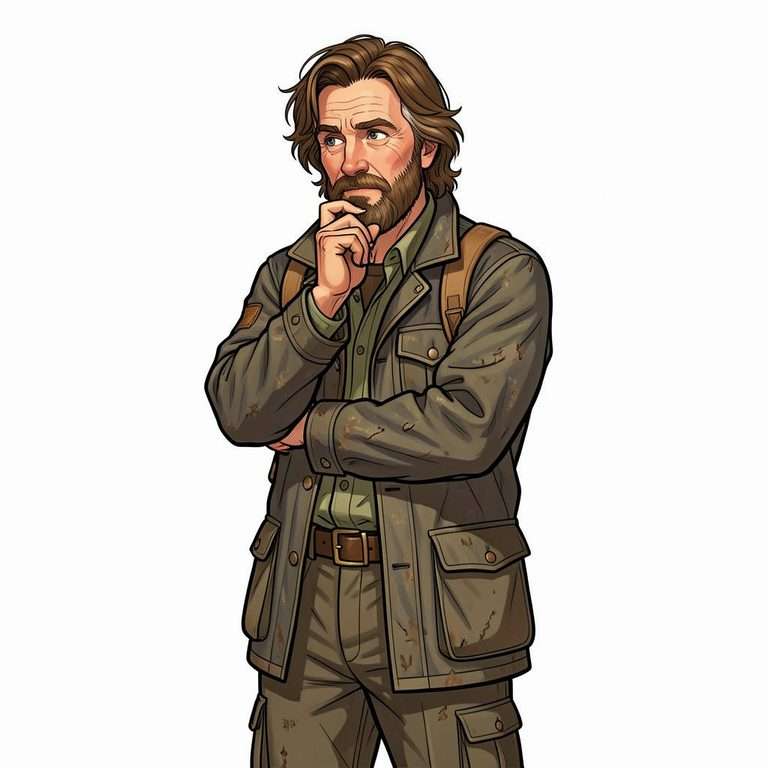
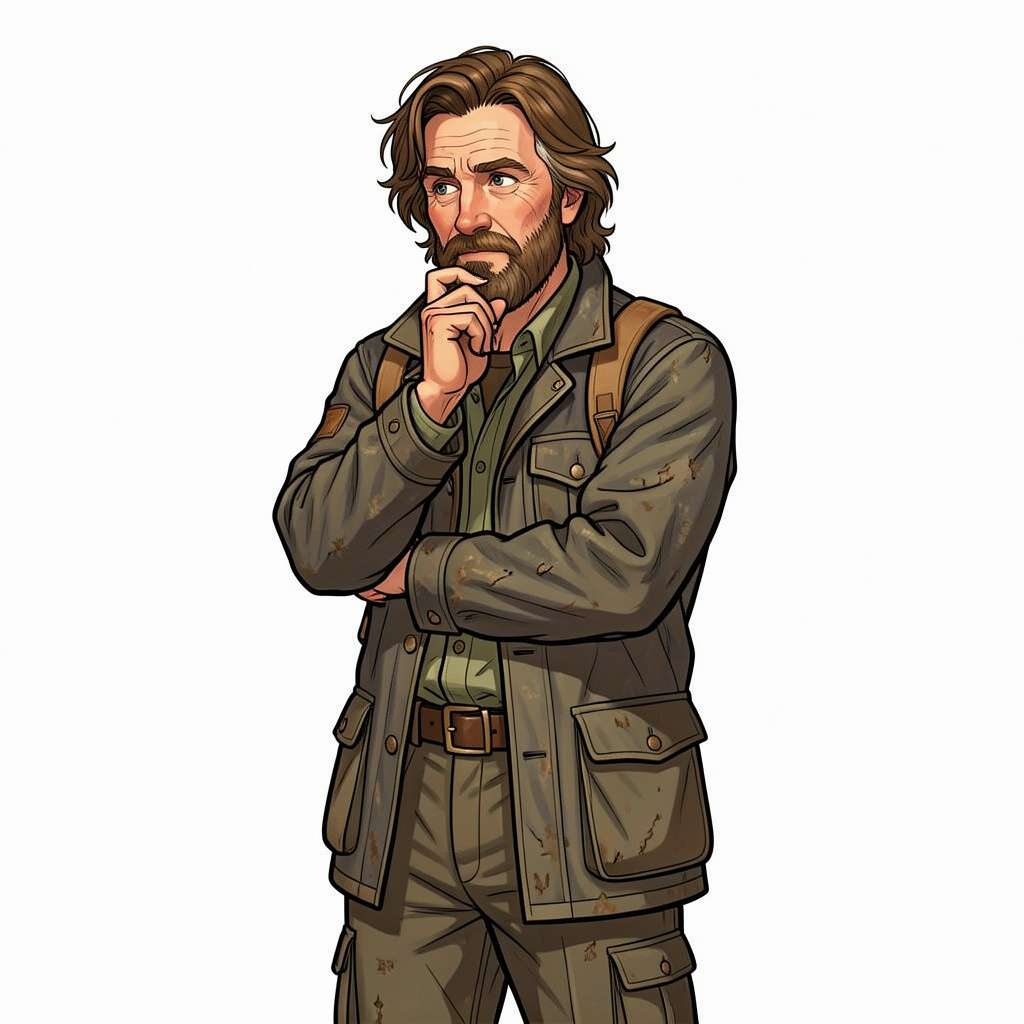
Ask Rowan #002: Can I Learn Bushcraft Without Spending a Fortune?
When you start looking into bushcraft, it can seem as though everyone owns an expensive knife, a canvas rucksack, a collection of specialist tools and enough outdoor equipment to outfit an expedition.
If you’re new to bushcraft, you might wonder whether you need to spend a fortune before you can even get started.
The good news? You don’t.
For this edition of Ask Rowan, we’re looking at how to learn bushcraft on a budget, which equipment is worth buying first and how to develop useful outdoor skills without emptying your wallet.
Rowan’s Advice: Skills Before Stuff
Here’s something worth remembering: owning bushcraft equipment and knowing how to use it are two very different things.
You can spend a fortune on outdoor gear and still struggle to tie a reliable knot, recognise common trees or navigate without relying entirely on your phone.
Equally, someone with modest equipment and plenty of practice can be surprisingly capable outdoors.
When you’re starting out, your priority should be learning rather than buying. Every skill you develop makes your existing equipment more useful.
You don’t need to build a woodland camp on your first weekend, either. Start with manageable activities close to home and gradually work towards more challenging projects.
1. Start With Skills That Cost Nothing
Some of the most useful bushcraft skills require little or no equipment.
Learning to recognise trees is a good example. Head to a local park or permitted woodland and spend time observing bark, leaves, buds and the overall shape of different trees. Take photographs and compare your observations with a reliable identification guide when you get home.
You could also begin learning knots using a length of ordinary cord you already own. Practise tying a bowline, a clove hitch and a figure-eight knot. Learn what each knot is designed to do, when it is useful and where its limitations lie.
Other free activities include observing animal tracks, studying the weather, learning basic map symbols and identifying natural features that can help you understand your surroundings.
You don’t need to master everything immediately. Choose one skill, practise it repeatedly and move on when you’re comfortable with the basics.
2. Use What You Already Own
Before buying new equipment, look around your home.
You may already have suitable walking clothes, a waterproof jacket, a water bottle, a torch, a small first-aid kit or a rucksack that can be used for ordinary outdoor practice.
For learning purposes, you might also have suitable cordage, a notebook and a pencil.
Check that anything you plan to use is appropriate for the activity and in good condition. Ordinary household equipment won’t necessarily be suitable for every outdoor task, particularly when fire, cutting tools or overnight exposure to the weather are involved.
The point isn’t to make do with unsuitable equipment indefinitely. It’s to avoid purchasing specialist alternatives before you know whether you need them.
3. Buy Equipment Gradually
When you eventually decide to buy equipment, make a list of what you genuinely need for the activities you intend to practise.
For example, someone learning identification, knots and navigation doesn’t need to buy a bushcraft knife straight away.
Your first purchases might instead include a decent waterproof layer, a reliable torch or headtorch, a suitable water container and basic navigation equipment.
What you buy will depend on the season, the conditions and the activities you’re planning.
Avoid purchasing an entire kit based on someone else’s gear list. An experienced bushcrafter’s equipment reflects their own habits, preferences and experience. It may not be the right starting point for you.
Compare prices, check reviews carefully and consider second-hand equipment where appropriate. For safety-critical items, such as equipment designed to protect you from falls or other serious hazards, condition and suitability matter more than getting the cheapest possible deal.
4. Practise Without Damaging the Environment
Bushcraft often involves working with natural materials, but that doesn’t mean you can freely remove branches, strip bark or collect plants wherever you go.
Land ownership, site rules and local restrictions matter. Deadwood and other natural materials may be important to wildlife, and some areas prohibit collecting them altogether.
You can learn plenty through observation and practice without removing anything.
Study the structure of fallen branches, compare different types of wood, observe how water moves across the ground after rain and look for natural features that could influence shelter placement.
If you want to practise using natural materials, find somewhere you have permission to do so and follow the land manager’s rules.
Learning to leave a place undamaged is an important outdoor skill in its own right.
5. Make Every Outing a Learning Opportunity
You don’t need to organise an expensive camping trip to make progress.
A walk around a local park can become an identification exercise. A short countryside walk can help you practise reading a map. Even your back garden can provide a useful place to learn knots, organise equipment or practise preparing a safe outdoor kit.
The difference is intention.
Rather than simply going for a walk, decide to learn something specific. Observe it carefully, make notes and test your knowledge afterwards.
If you practise the same skill several times, you’ll start to notice details you missed on the first attempt.
That is how familiarity develops into competence.
6. Be Careful With Cheap Equipment
Saving money is sensible, but buying the cheapest version of everything can become expensive if equipment fails or needs replacing.
A bargain knife with a poorly secured handle, a damaged torch or a waterproof jacket that cannot cope with the conditions may cause more problems than it solves.
Before buying something, ask yourself three questions.
Will I use it regularly? Is it suitable for the job? Can I afford to buy something more reliable?
You don’t need premium equipment, but you do need equipment that is appropriate, dependable and safe to use.
For many beginners, the best purchase is the one that solves a genuine problem rather than the one that looks most impressive.
Your First Budget Bushcraft Challenge
Rowan has a simple challenge for you.
Choose one outdoor skill that costs nothing to practise. Spend at least 20 minutes working on it, then write down three things you learned.
For example, you could identify three tree species, practise tying three knots or learn to recognise five common map symbols.
Repeat the activity later in the week and see how much you remember.
If you want a little extra motivation, explore the Pure Bushcraft challenges and choose one that suits your current experience.
A Word From Rowan
You don’t need to look like an experienced bushcrafter to start learning bushcraft.
You don’t need the perfect knife, the most expensive rucksack or a collection of specialist gadgets.
You need curiosity, patience and a willingness to practise.
Buy equipment when it serves a purpose, take care of what you own and remember that the knowledge you develop will stay with you long after a piece of kit has worn out.
Start with what you have. Learn what you can. Build from there.
Keep Learning With Pure Bushcraft
Explore our guides, practise your outdoor skills and work through the Pure Bushcraft challenges at your own pace.
You can make progress without spending a fortune.
Have a question for Rowan? Visit our Ask Rowan submission page. Your question could become a future article and help other readers learn, too.
🔒Ready to test your survival skills?
Join Pure Bushcraft for free, complete challenges, earn badges and increase your Survival Level.
JOIN FREE →
CRAIG BURR
FOUNDER · PURE BUSHCRAFT
I'm Craig, the person behind Pure Bushcraft. I created Pure Bushcraft because I wanted somewhere people could learn real outdoor skills in a practical, straightforward way — from lighting a fire and tying knots to navigation, campcraft and everything in between.
You can read more about the story behind Pure Bushcraft here as well as our approach here.