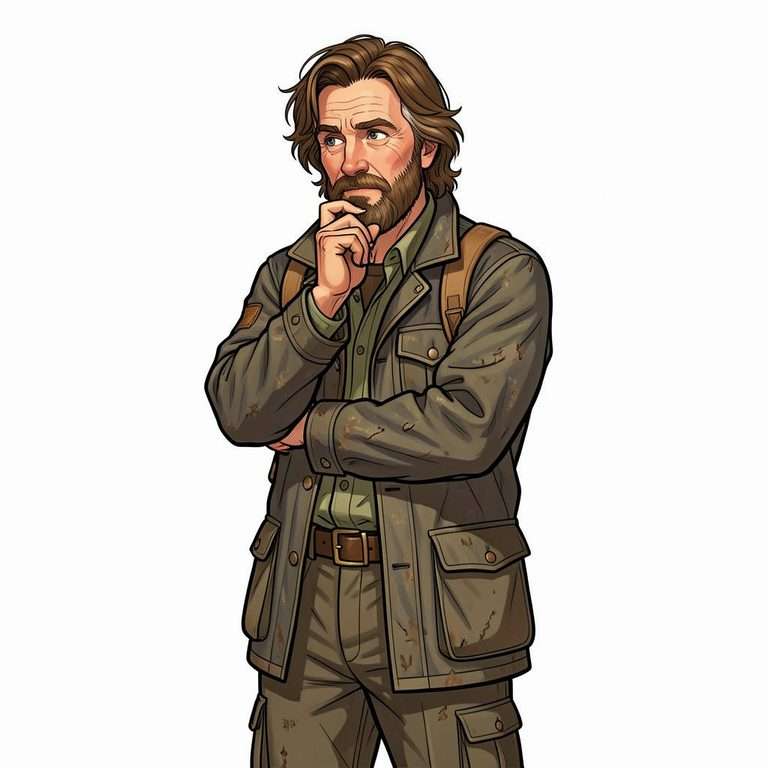
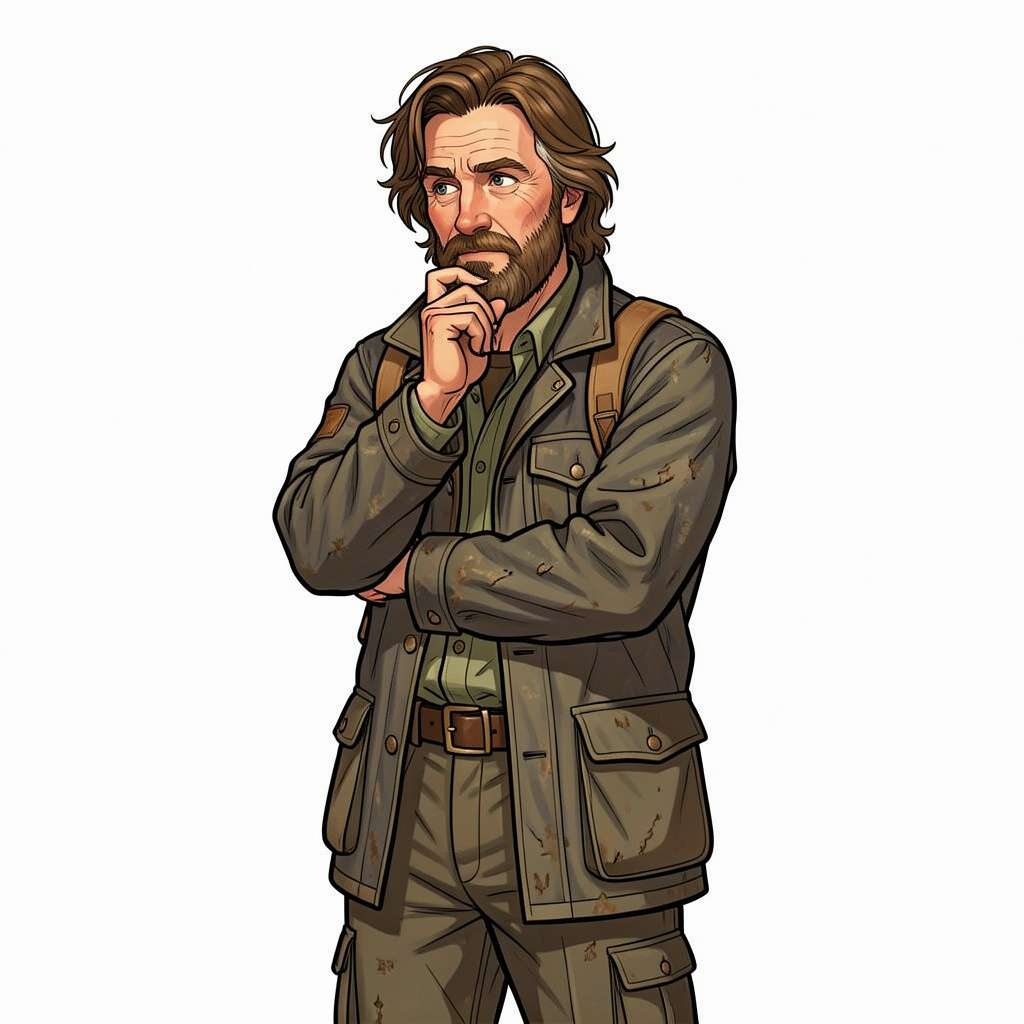
Ask Rowan #003: Can I Practise Bushcraft Without Access to Woodland?
When people picture bushcraft, they often imagine a quiet woodland, a tarp shelter between the trees and a small campfire burning beside a log.
It’s an appealing image, but it can also make bushcraft seem inaccessible.
What if you live in a town or city? What if you don’t own land, can’t easily reach a forest or have nowhere to camp?
Does that mean you’re missing out?
Not at all. Although access to suitable woodland can open up more opportunities, there is a great deal you can learn without it.
Rowan’s Advice: Learn Wherever You Are
Bushcraft is about developing practical knowledge of the natural world and learning how to look after yourself outdoors.
Woodland is one environment in which you can practise those skills, but it isn’t the only one.
Parks, gardens, open countryside and even urban spaces can help you develop observation, navigation, identification and preparation skills.
Some activities require particular equipment, suitable conditions or permission to carry them out. However, you can make meaningful progress long before you have access to a dedicated bushcraft site.
The trick is to stop thinking of woodland as the starting point for every skill.
1. Learn to Recognise Trees and Plants
You can begin learning identification almost anywhere trees and plants grow.
A local park may contain several tree species, including familiar examples such as oak, ash, beech, silver birch and rowan. The species available will depend on where you live.
Choose one tree and study it carefully. Look at its bark, leaves, buds, branching pattern and overall shape. Take photographs of the details and compare them with a reliable field guide.
Try to identify the same species at different stages of the year. Leaves can be useful in summer, while buds, bark and branching patterns become more important when the leaves have fallen.
Remember that identification takes practice. Don’t use an uncertain identification to decide whether a plant or fungus is safe to eat.
2. Practise Knots at Home
Knots are among the easiest bushcraft skills to practise without access to woodland.
Find a suitable length of cordage and learn one knot at a time. Start with basic knots that have practical applications, such as a bowline, clove hitch and figure-eight knot.
Don’t simply memorise the movements. Understand what each knot does, how it behaves under tension and when another knot might be more appropriate.
Practise tying them without looking at instructions, then check your results.
You can also practise tying and releasing knots while wearing gloves, provided you can do so safely and comfortably.
Remember that a knot suitable for securing a tarp isn’t automatically appropriate for climbing, life safety or supporting a person’s weight.
3. Develop Your Navigation Skills
You don’t need remote mountains to learn navigation.
Start by studying a local map. Identify roads, footpaths, watercourses, woodland, buildings and other features. If you have access to a suitable compass, learn the basic parts and how to take a bearing in an appropriate practice area.
During a walk, try to predict what you’ll encounter next by studying the map before reaching it.
When you return home, compare your expectations with what you actually saw.
You can also learn how contour lines represent the shape of the land and practise estimating distances using a map scale.
These exercises help you build the habits needed for more demanding journeys. When practising outdoors, carry suitable navigation equipment and don’t deliberately put yourself in a situation where you could become lost.
4. Study the Weather and Your Surroundings
Outdoor awareness is a skill that can be developed almost anywhere.
Before heading out, check the forecast and make a note of expected temperature, rainfall and wind. Then observe how the actual conditions compare.
Look at the direction from which the wind is coming. Notice how exposed areas differ from sheltered ones and how rainwater moves across different surfaces.
After a period of rain, you might observe where water collects and which paths become slippery.
These observations help you understand why some places are more suitable for stopping, walking or setting up camp than others.
You don’t need to construct a shelter to begin learning how to recognise a sheltered location.
5. Learn Shelter Principles Before Building One
Shelter building is often associated with woodland, but the principles can be studied elsewhere.
Learn how wind exposure, drainage, ground conditions and overhead hazards influence the choice of a campsite.
You can practise setting up a tarp in your garden if you have suitable space and permission. This gives you the opportunity to learn how different tie-out points affect tension and how the arrangement changes with wind direction.
Check the manufacturer’s instructions and avoid placing a tarp where it could become a hazard to other people.
If you want to use natural materials, remember that you need permission to collect them and should avoid damaging living trees or disturbing wildlife.
Understanding the principles first will make practical sessions more productive when you eventually have access to a suitable site.
6. Learn Firecraft Responsibly
Firecraft is an important outdoor skill, but it isn’t something you should practise wherever you happen to find a patch of grass.
Open fires may be prohibited by landowners, site rules or local restrictions. Dry vegetation, wind and nearby structures can make fire dangerous, even when the fire itself appears small.
Without a suitable outdoor location, you can still learn about fire safety, fuel characteristics, fire lays and the conditions that affect combustion.
Study the differences between tinder, kindling and larger fuel, and learn why dry, suitable materials are important.
When you have access to a permitted location, practise only under appropriate conditions, with a safe setup and suitable means of extinguishing the fire.
Never light a fire simply to complete a challenge or produce a photograph.
7. Use Your Home as a Training Ground
Your home can be a useful place to prepare for outdoor activities.
Practise packing a rucksack, checking equipment, organising a first-aid kit and preparing clothing for different weather conditions.
Learn how to care for your outdoor equipment and inspect it for damage before a trip.
You could also practise tying knots, studying maps, identifying trees from your own photographs and keeping a record of the skills you have learned.
These activities might not look dramatic, but preparation can make a real difference when you’re outdoors.
8. Find Opportunities to Get Outdoors
When you’re ready to move beyond home practice, look for publicly accessible green spaces, organised outdoor skills sessions and campsites that permit the activities you want to learn.
Check access rules before travelling. Public access does not automatically mean that you can camp, collect wood, build shelters or light fires.
If you know someone who owns suitable land, you could ask whether they would be happy for you to practise there.
You might also find local outdoor groups where people share skills and organise activities. Choose reputable groups that take safety, land access and environmental responsibility seriously.
You don’t need to begin with a remote expedition. A short session in a suitable location can be enough to put a skill into practice.
Your Bushcraft Challenge
Choose one skill you can practise without woodland access.
Spend at least 20 minutes working on it, then record what you learned and what you want to improve.
You could practise three knots, study a local map, identify a tree or prepare a checklist for your next outdoor trip.
If you can, repeat the activity later in the week without relying on your notes.
The aim is to turn information into something you can actually remember and use.
A Word From Rowan
Don’t let your circumstances convince you that bushcraft is out of reach.
You might not have woodland on your doorstep, but you can still develop your knowledge, improve your preparation and build practical skills.
Start where you are. Make use of the opportunities available to you and look for ways to put what you learn into practice.
You don’t have to live in the woods to learn from them.
Keep Learning With Pure Bushcraft
Explore the Pure Bushcraft Reference Library, work through the challenges and keep building your outdoor knowledge.
When you’re ready, take what you’ve learned into a suitable outdoor environment and put it to the test.
Have a question for Rowan? Send it through our Ask Rowan submission page.
🔒Ready to test your survival skills?
Join Pure Bushcraft for free, complete challenges, earn badges and increase your Survival Level.
JOIN FREE →
CRAIG BURR
FOUNDER · PURE BUSHCRAFT
I'm Craig, the person behind Pure Bushcraft. I created Pure Bushcraft because I wanted somewhere people could learn real outdoor skills in a practical, straightforward way — from lighting a fire and tying knots to navigation, campcraft and everything in between.
You can read more about the story behind Pure Bushcraft here as well as our approach here.