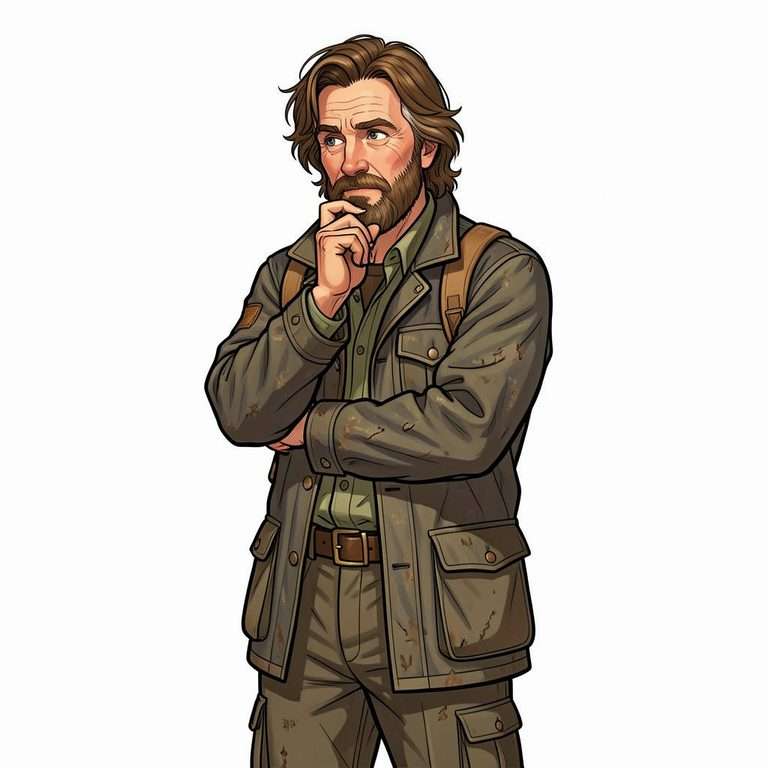
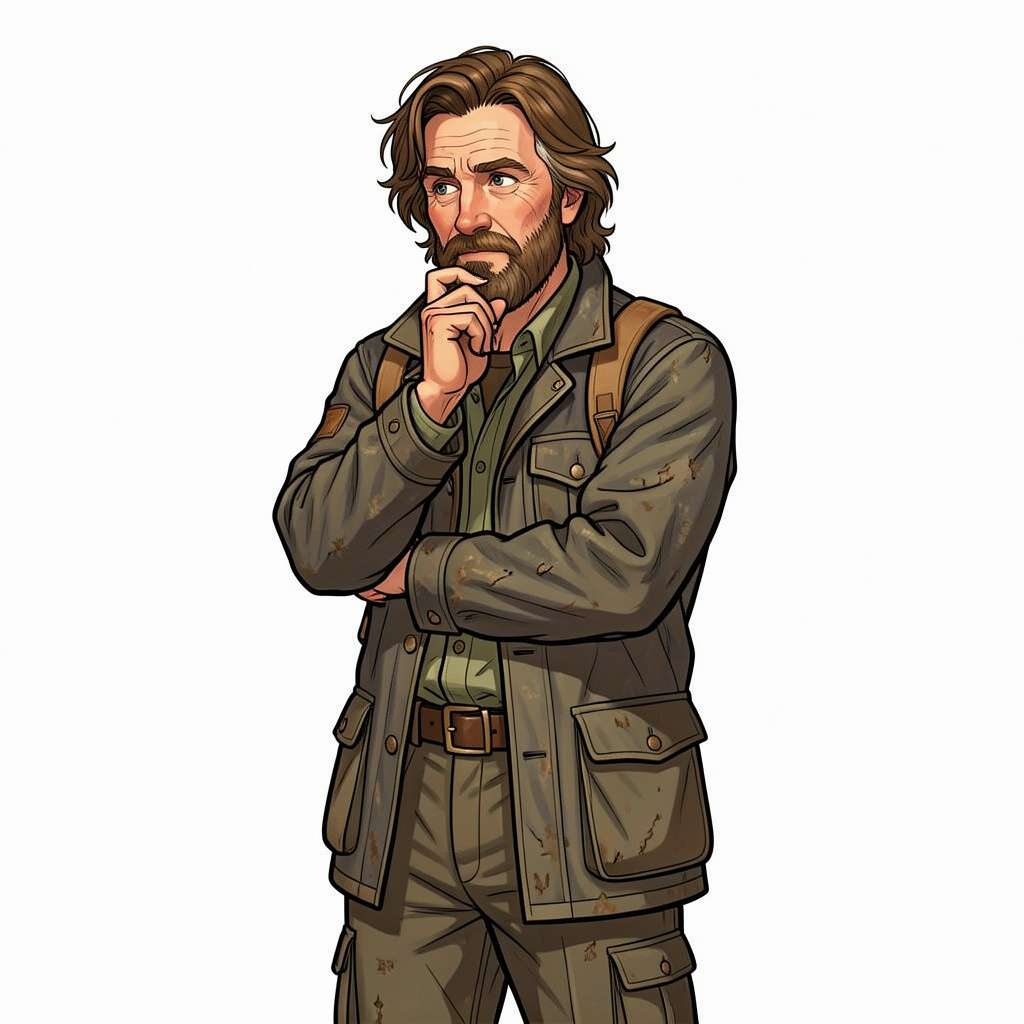
Ask Rowan #005: How Do I Learn to Light a Fire Safely?
Few bushcraft skills seem as appealing as lighting a fire outdoors.
It’s easy to understand why. A well-managed fire can provide warmth, help with cooking and create a useful focal point at camp. Learning about fire also introduces you to fuel, weather, preparation and the importance of controlling your environment.
But fire is one skill you should approach with patience.
If you’re a beginner, you don’t need to rush outside and try to light a fire as quickly as possible. Understanding the risks and learning how to prepare properly are just as important as producing a flame.
Rowan’s Advice: Preparation Comes First
A safe fire begins before you reach for a lighter, ferro rod or matches.
You need to know whether fires are permitted, whether the conditions are suitable and whether you can keep the fire contained and extinguish it completely.
If any of those requirements cannot be met, don’t light one.
You can still learn a great deal about firecraft without producing a flame. Start by understanding fuel, fire safety and the decisions that make a location suitable or unsuitable.
1. Find Out Whether Fires Are Allowed
Never assume that a fire is permitted simply because you’re outdoors.
The landowner, campsite operator or land manager may prohibit fires, including small campfires. Local restrictions and environmental conditions can also affect whether a fire is appropriate.
If you’re visiting a campsite, check its rules before arriving. If you’re on private land, obtain permission from the landowner and follow any conditions they set.
Don’t light fires on public land unless you have confirmed that they’re allowed there.
If you’re unsure, choose another activity.
2. Understand the Fire Triangle
Fire needs three basic things to keep burning: heat, fuel and oxygen.
This is commonly called the fire triangle.
Remove any one of those elements and the fire can no longer continue burning in the same way. Understanding this principle helps explain why fire preparation, fuel selection and extinguishing methods matter.
Fuel isn’t all the same, either.
Tinder is used to help establish an initial flame. Kindling helps the flame grow, while larger fuel can sustain an established fire when conditions are suitable.
The materials you use must be appropriate for the fire and location. Wet, unsuitable or contaminated materials can make the process more difficult and may produce unwanted smoke.
3. Learn About Tinder, Kindling and Fuel
Before trying to light a fire, learn to recognise the different roles fuel plays.
Tinder is generally made up of fine, easily ignited material. Kindling consists of small pieces that can catch from an established flame. Larger pieces of fuel are used to maintain a fire once it has developed.
The moisture content, size and arrangement of fuel all influence how it burns.
You can begin learning about these differences without lighting anything. Where collecting is permitted, examine naturally fallen materials and compare their condition. Otherwise, use materials that you already have permission to handle.
Avoid stripping bark from living trees or removing wood from places where collection is prohibited.
Remember that a material that looks dry on the outside may still be damp inside.
4. Choose a Suitable Location
Location is one of the most important parts of fire safety.
A fire should only be considered where it is explicitly permitted and where the surroundings allow it to be managed safely.
Dry grass, leaf litter, peat, roots and nearby vegetation can allow fire to spread beyond the intended area. Wind can carry sparks and embers into surrounding material.
A location that appears safe in calm conditions may become unsuitable if the wind strengthens or the weather changes.
Never light a fire near tents, overhanging vegetation, buildings or other combustible materials. Follow the site’s designated fire arrangements and any instructions provided by the land manager.
If the ground, wind or surrounding vegetation makes you uncertain, don’t proceed.
5. Prepare Before Lighting
Preparation reduces the temptation to rush once a flame has been established.
Before starting, you should already know how the fire will be managed, what suitable extinguishing method is available and how you will deal with changing conditions.
Keep the fire small and manageable, follow the site rules and never leave it unattended.
Don’t use petrol, alcohol or other accelerants to get a fire going. They can ignite unpredictably and cause serious injury.
Keep children and other people at a safe distance, and ensure that everyone nearby understands that the fire is being managed.
If conditions deteriorate or you cannot maintain control, extinguish the fire if it is safe to do so.
6. Practise With Appropriate Supervision
If you’ve never managed an outdoor fire before, learning with a competent instructor can help you understand the practical details that are difficult to learn from written instructions alone.
A supervised session can cover safe preparation, fuel selection, fire management and complete extinguishing.
Choose a suitable site that permits fires and has clear procedures for managing them.
Don’t practise in dry woodland, near combustible vegetation or during periods when fire risk is elevated. Follow official advice and site restrictions.
If you cannot find an appropriate place to practise, focus on the theory until you can.
There is no need to force a practical exercise simply to say you’ve completed it.
7. Make Sure the Fire Is Completely Out
A fire isn’t finished when the visible flames disappear.
Hot embers can remain capable of reigniting surrounding material. The fire must be extinguished completely according to the site’s instructions and the method appropriate to the fire and ground conditions.
Never bury a fire and assume that doing so makes it safe. Heat can remain trapped, and underground roots or combustible material may continue to smoulder.
Follow the land manager’s extinguishing procedures, check carefully for remaining heat and never leave until you’re confident the fire is completely out.
If a fire spreads or you cannot extinguish it safely, move away from danger and contact the emergency services.
8. Learn the Skill Without Lighting a Fire
You can make progress in firecraft without producing a flame.
Study the fire triangle, learn the differences between tinder and kindling, and consider how wind and moisture affect combustion.
You could also create a fire-safety checklist covering permission, location, weather, fuel, supervision and extinguishing arrangements.
Try working through different scenarios. What would make you decide not to light a fire? What would you do if the wind suddenly increased? What if you discovered that the ground was too dry or the site prohibited open flames?
Being able to recognise when not to light a fire is an important part of learning firecraft.
Your Bushcraft Challenge
Create a fire-safety checklist for a hypothetical outdoor camp.
Include whether fires are permitted, how you would assess the weather, what makes a location unsuitable, how the fire would be supervised and how it would be extinguished completely.
Then test your checklist against three scenarios: a calm, damp day; a windy day; and a period of very dry weather.
For each scenario, decide whether you would proceed or abandon the idea of a fire, and explain why.
You don’t need to light a fire to complete this challenge.
A Word From Rowan
Learning to light a fire is not a race.
The aim isn’t to produce a flame at any cost. It’s to understand how fire behaves, prepare responsibly and know how to keep yourself and the surrounding environment safe.
There will be days when the right decision is not to light one at all.
That isn’t failure. It’s good judgement.
A capable bushcrafter knows how to manage a fire — and when to leave it unlit.
Keep Learning With Pure Bushcraft
Explore the Pure Bushcraft guides and challenges to keep developing your outdoor knowledge.
Take your time, practise responsibly and build your skills one step at a time.
Have a question for Rowan? Send it through our Ask Rowan submission page.
🔒Ready to test your survival skills?
Join Pure Bushcraft for free, complete challenges, earn badges and increase your Survival Level.
JOIN FREE →
CRAIG BURR
FOUNDER · PURE BUSHCRAFT
I'm Craig, the person behind Pure Bushcraft. I created Pure Bushcraft because I wanted somewhere people could learn real outdoor skills in a practical, straightforward way — from lighting a fire and tying knots to navigation, campcraft and everything in between.
You can read more about the story behind Pure Bushcraft here as well as our approach here.