5 Mistakes to Avoid on Your First Long Walk
There’s a particular kind of optimism that comes with planning your first long walk. You picture yourself covering miles of countryside, enjoying the fresh air, discovering new places and arriving home feeling like you’ve accomplished something worthwhile.
Then reality kicks in.
Your feet start rubbing, your backpack feels heavier than it did when you left home, and that hill you thought would take ten minutes seems to go on forever. Suddenly, the thought of reaching the end of the route feels a lot less appealing.
The good news? Most of these problems are avoidable.
You don’t need expensive equipment, years of hiking experience or exceptional fitness to enjoy a long walk. What you do need is a little preparation and an understanding of the mistakes that catch people out.
Whether you’re planning your first ten-mile walk, exploring unfamiliar countryside or building up to longer outdoor adventures, these five mistakes are worth avoiding before you set off.
1. Wearing Brand-New Boots or the Wrong Footwear
Imagine setting off on a beautiful countryside route. The weather is good, the scenery is excellent, and you’re feeling pleased with yourself for finally getting outdoors.
An hour later, your heels are rubbing, your toes feel uncomfortable, and every step reminds you that your footwear wasn’t quite the right choice.
Foot problems can turn an enjoyable walk into a miserable experience surprisingly quickly.
One common mistake is wearing brand-new walking boots for a long distance before you’ve had a chance to see how they feel over several hours. Even boots that feel comfortable in a shop can rub once your feet begin to swell or the terrain becomes more demanding.
The other mistake is assuming that heavier boots are always better. The right footwear depends on the route, terrain, weather, your feet and the support you need.
For some well-maintained paths, comfortable walking shoes or trail shoes may be perfectly suitable. Rougher, wetter or more uneven ground may call for footwear offering greater protection and support.
How to avoid it
Start by making sure your footwear fits properly. Your toes should have adequate room, your heel should feel secure, and there shouldn’t be obvious pressure points.
Wear your chosen footwear on shorter walks before attempting a longer route. Gradually increase your distance and pay attention to any rubbing, discomfort or hotspots.
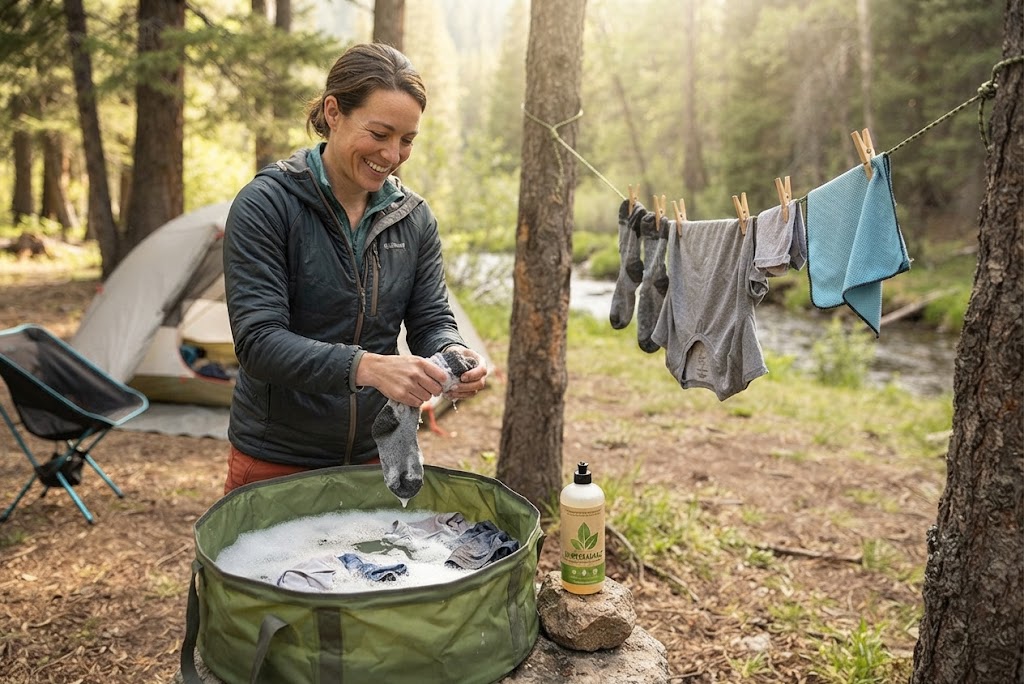
Your socks matter, too. Choose a suitable pair that fits properly and works well with your footwear. If your feet become damp, changing into dry socks during a longer walk can help improve comfort.
It’s also worth carrying blister dressings in your first aid kit. If you notice rubbing, deal with it early rather than hoping it will disappear.
Pure Bushcraft tip: Before your next long walk, take a shorter route using the exact boots, socks and backpack you intend to wear. It’s a simple way to discover potential problems while you’re still close to home.
2. Carrying Far Too Much Equipment
It’s easy to overpack when you’re new to longer walks.
You start with the essentials, then add another jumper, extra food, several tools, a large first aid kit, a spare water bottle and a few pieces of equipment you might need if something unexpected happens.
Before long, your backpack weighs considerably more than you intended.
The problem is that every unnecessary item adds to the effort required to keep moving. Over several miles, that extra weight can contribute to fatigue and make the walk less enjoyable.
Of course, carrying the right equipment is important. The answer isn’t to leave everything at home. It’s to understand the difference between being prepared and carrying things without a clear purpose.
How to avoid it
Plan your equipment around the route, the forecast and the conditions you expect to encounter.
For a typical day walk, your essentials might include:
- A comfortable backpack.
- Water and enough food for your planned walk.
- A waterproof jacket and suitable spare clothing.
- A map and compass, with the knowledge to use them.
- A charged mobile phone.
- A headtorch, even if you expect to finish in daylight.
- A basic first aid kit, including blister dressings.
- Any personal medication you need.
- A small rubbish bag to carry your waste home.
Adjust this list for the length and remoteness of your route, the weather, your experience and any particular risks.
For example, a short walk along familiar, well-maintained paths requires different preparation from a remote hill route where the weather can change rapidly.
Before packing something, ask yourself three questions: What is it for? How likely am I to need it? Is there a lighter, practical alternative?
Don’t remove essential safety equipment simply to save weight, but don’t feel that you need to carry an entire bushcraft workshop on your back either.
A useful habit: Weigh your packed backpack before leaving home. If it feels unnecessarily heavy, review its contents while you still have time to make changes.
3. Underestimating Food and Water
When you’re walking further than usual, it’s easy to underestimate how much energy and water you’ll need.
You might leave home after breakfast, assuming you’ll be back before lunch. Then you discover an interesting detour, stop to take photographs or find that the terrain takes longer to cross than expected.
Suddenly, you’re several hours into the walk, your energy is fading, and you’re wishing you’d packed more than one cereal bar.
Food and water aren’t just comforts. They’re important parts of preparing for a longer outdoor journey.
Your requirements will depend on your body, the distance, the intensity of the walk, the temperature and how much you’re sweating. A warm day on exposed paths can create very different demands from a cool morning stroll through woodland.
How to avoid it
Start by planning your food around the time you expect to be outdoors rather than the distance alone.
Take enough food for your planned walk, with additional supplies in case you finish later than expected. Pack foods that are easy to carry and eat, such as sandwiches, oat bars, nuts or dried fruit, depending on your preferences and dietary needs.
Don’t wait until you’re exhausted before eating. Regular snacks can help you maintain your energy throughout the day.
Water requires similar thought.
Consider the weather, your exertion level, the availability of reliable drinking water and how long you’ll be away. Carry enough for your expected needs, and have a sensible plan for replenishing your supply if necessary.
Never assume that a stream or clear-looking pool contains safe drinking water. If you need to use natural water sources, you must know how to treat the water appropriately.
It’s also worth remembering that thirst isn’t a reason to postpone drinking until you feel desperate. Drink regularly according to your needs and conditions, without forcing excessive amounts of water.
Try this before your next walk: Pack the food and water you think you’ll need, then review your plan against the route length, weather and expected duration. This helps you develop a better understanding of your own requirements over time.
4. Walking Too Fast at the Beginning
You leave home feeling energetic, the weather is pleasant, and the path ahead looks inviting.
So you walk quickly.
The first couple of miles feel easy, and you convince yourself that you’re making excellent progress. But later, your legs become heavy, your breathing gets harder, and you begin taking longer breaks.
What happened?
You may have started at a pace that was difficult to maintain.
One of the most common mistakes on a first long walk is treating the beginning like a race. It’s natural to feel enthusiastic, particularly when you’re walking somewhere beautiful, but a pace you can maintain comfortably is usually more useful than a fast start followed by exhaustion.
Long walks are about managing your effort over the whole route.
How to avoid it
Begin at a comfortable pace and give yourself time to settle into the walk.
You should generally be able to speak in sentences while walking at a moderate intensity. Hills, rough terrain and heavy backpacks will naturally affect how quickly you can move, so don’t judge your performance solely by your speed.
Short, regular breaks can also help. Use them to drink, eat, adjust your clothing or check your feet before discomfort becomes a bigger problem.
Pay attention to the terrain ahead. A steep climb may require you to slow down considerably, and there’s little benefit in exhausting yourself on the first hill when you still have several miles to cover.
It’s equally important to recognise when you need to stop or change your plans.
If you experience unusual breathlessness, dizziness, chest pain or other concerning symptoms, don’t simply push through. Stop and seek appropriate medical assistance, particularly if symptoms are severe or persistent.
Learn to judge your own pace
If you’re building up your walking distance, try increasing it gradually rather than jumping straight from short walks to a demanding full-day route.
Notice how your legs feel after the first hour and how much energy you have left later in the walk.
Over time, you’ll develop a better understanding of what feels sustainable for you.
Remember: Finishing comfortably is a better outcome than covering the first half quickly and struggling through the second.
5. Relying on Your Phone Instead of Preparing for the Route
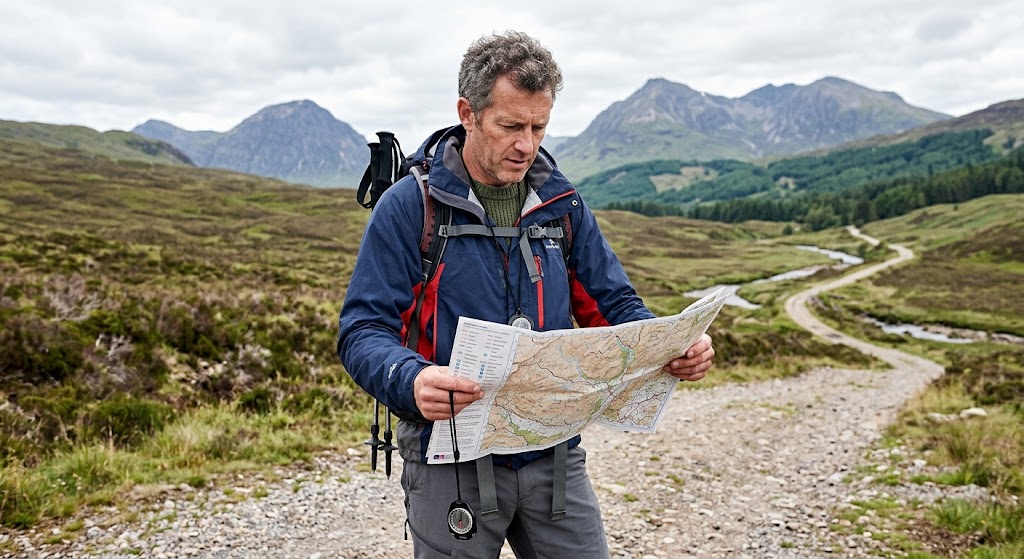
Your phone makes navigation wonderfully convenient. You can check a map, follow a route and see where you are without carrying much additional equipment.
But what happens when the battery runs low, the screen becomes difficult to read in bright sunlight or you lose mobile coverage?
These situations don’t automatically mean you’re in danger, but they can become serious problems if you have no alternative way to navigate.
Another common mistake is following a route without understanding where it goes. A line on a screen might look straightforward, but the reality can involve muddy paths, steep sections, gates, confusing junctions or terrain that is more challenging than expected.
How to avoid it
Before leaving home, familiarise yourself with the route.
Check the total distance, estimated walking time, elevation changes, terrain and likely conditions. Look for places where you can take a break, shorten the walk or turn back if necessary.
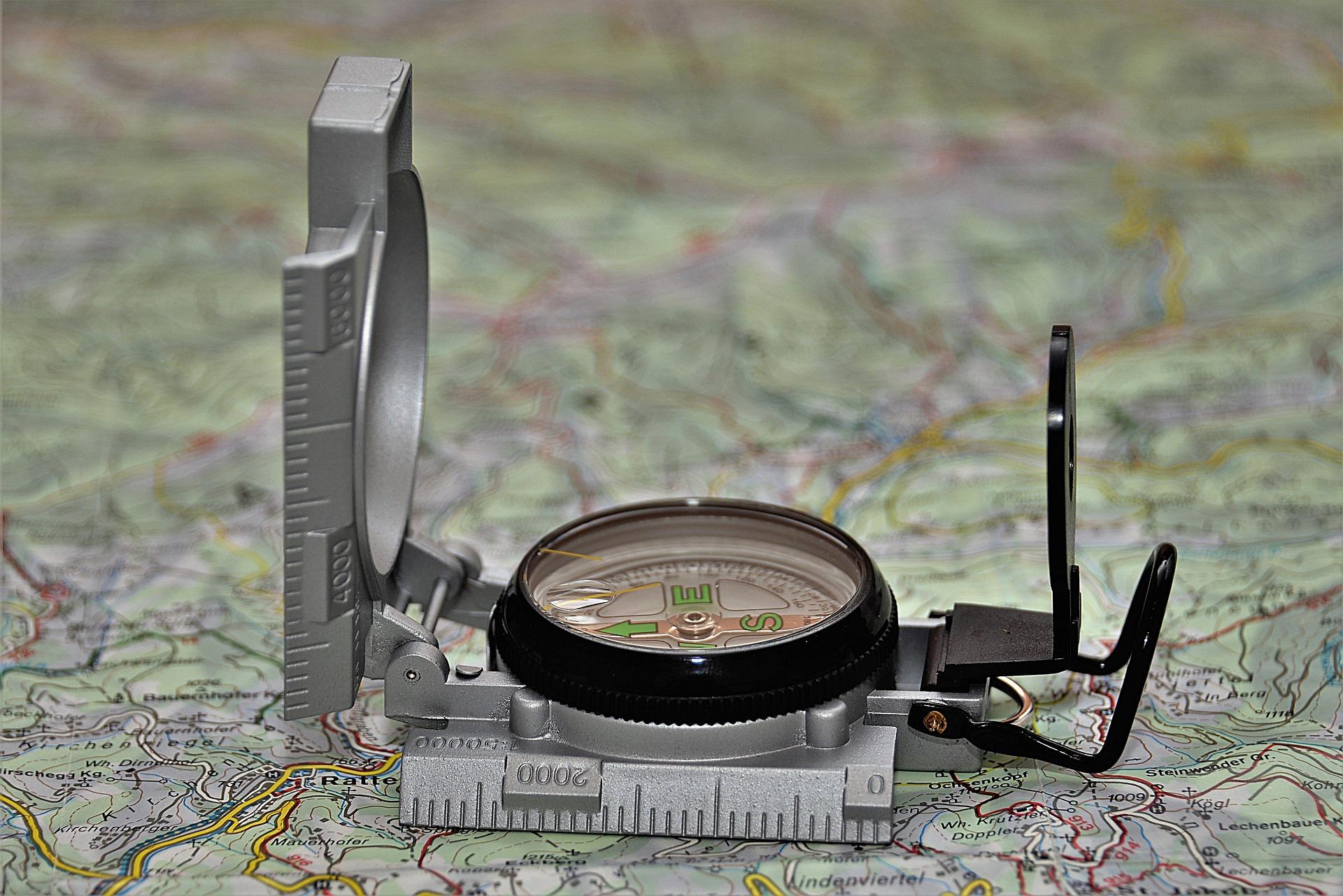
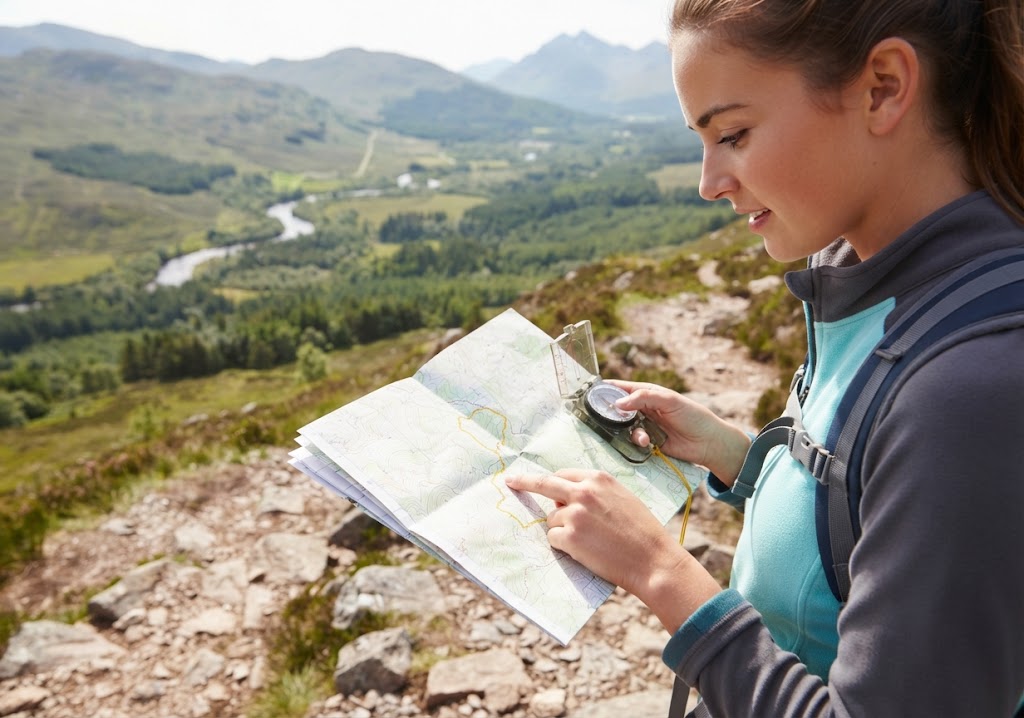
Carry a suitable map and compass when appropriate for the route, and learn how to use them. A compass is only useful if you understand how to take a bearing and relate it to your map.
You should also:
- Download maps for offline use if you’re relying on a navigation app.
- Start with a fully charged phone and consider carrying a power bank.
- Tell someone your intended route and expected return time.
- Check the weather forecast before departure.
- Identify alternative routes or escape points where possible.
- Leave enough time to finish before darkness, allowing for delays.
If you become uncertain about your position, don’t keep walking in the hope that the path will become obvious.
Stop somewhere safe, check your map and assess what you know about your surroundings. If you cannot establish your position or continue safely, seek appropriate assistance rather than taking unnecessary risks.
For hillwalking, mountain terrain or remote routes, navigation deserves particular attention. Poor visibility can make familiar ground difficult to recognise, and a small navigational error can lead you away from your intended route.
Pure Bushcraft tip: On a familiar walk, practise identifying landmarks and checking your position on a map. Developing these habits before attempting a challenging route can make a real difference.
What Else Should You Check Before a Long Walk?
Avoiding these five mistakes will put you in a much better position, but a few final checks can help you prepare.
Check the weather
Look beyond the daytime temperature. Consider wind, rain, overnight or late-afternoon temperatures if relevant, and any official weather warnings. Change your plans if the conditions exceed your experience or equipment.
Wear suitable clothing
Dress for the conditions and use layers that you can add or remove as your temperature changes. Carry waterproof protection when appropriate, even if the forecast looks promising.
Understand your limits
Choose a route that matches your current fitness, experience and available time. A shorter walk that you enjoy is a better starting point than an ambitious route that leaves you exhausted.
Protect your feet
Check your footwear and socks before leaving, and carry basic blister treatment. Deal with rubbing early rather than waiting until walking becomes painful.
Respect the countryside
Follow access rules, use established paths where appropriate, close gates behind you and take all your rubbish home. Avoid disturbing wildlife, damaging vegetation or entering land where access is restricted.
These habits help protect both you and the places you enjoy exploring.
Your First Long Walk: A Simple Preparation Checklist
Before setting off, use this checklist to make sure you’ve covered the essentials.
Route and planning
Clothing and equipment
Before leaving
You don’t need to feel nervous about every possible problem. The point of preparation is to deal with the obvious things before they become problems outdoors.
Frequently Asked Questions
How far should a beginner walk?
There’s no single distance that suits everyone. Your current fitness, experience, terrain and conditions all make a difference. If you’re new to walking, begin with a manageable route and gradually increase the distance as your confidence and fitness improve.
What should I eat before a long walk?
Choose a meal that you know sits comfortably with you and provides energy for the activity ahead. Many people prefer a breakfast containing carbohydrates, such as porridge or toast, alongside their usual foods. Take snacks for the journey rather than relying on one large meal.
How much water should I carry?
Your needs depend on your body, exertion, weather and route. Plan your supply around the conditions and the availability of reliable drinking water, and carry additional water if your route is remote or replenishment is uncertain. Avoid both dehydration and drinking excessive amounts.
Should I wear walking boots or trainers?
It depends on the terrain, weather, fit and support you need. Comfortable trail shoes may suit some well-maintained paths, while boots can offer additional protection and support on rougher ground. Whatever you choose, test your footwear before attempting a long walk.
What should I do if I get tired halfway through?
Stop somewhere safe, have a drink and eat something if needed. Assess how you’re feeling and how much of the route remains. Consider a shorter route or turning back if you don’t have enough energy, time or suitable conditions to continue safely. Don’t let the desire to finish override your judgement.
Turn Your Next Walk Into a Learning Experience
Your first long walk doesn’t need to be perfect. In fact, you’ll probably discover something you would do differently next time.
Perhaps you’ll realise that your backpack needs adjusting, your footwear isn’t quite right or you need to spend more time learning to navigate. Those aren’t failures; they’re useful lessons that help you become more capable outdoors.
The important thing is to prepare sensibly, recognise your limits and give yourself the opportunity to improve.
As you become more confident, you can gradually explore longer routes, unfamiliar countryside and more demanding outdoor challenges.
And if you’re looking to develop your skills beyond simply covering the miles, Pure Bushcraft can help you build your knowledge of navigation, equipment, weather awareness and other practical outdoor skills.
Start with a route you can manage, learn from every walk and let the distance grow naturally.
Your next adventure doesn’t have to be your longest one. It just needs to be a step in the right direction.
🔒Ready to test your survival skills?
Join Pure Bushcraft for free, complete challenges, earn badges and increase your Survival Level.
JOIN FREE →
CRAIG BURR
FOUNDER · PURE BUSHCRAFT
I'm Craig, the person behind Pure Bushcraft. I created Pure Bushcraft because I wanted somewhere people could learn real outdoor skills in a practical, straightforward way — from lighting a fire and tying knots to navigation, campcraft and everything in between.
You can read more about the story behind Pure Bushcraft here as well as our approach here.