Pure Bushcraft Outdoor Skills Challenge 83: Camp in Your Garden for a Night
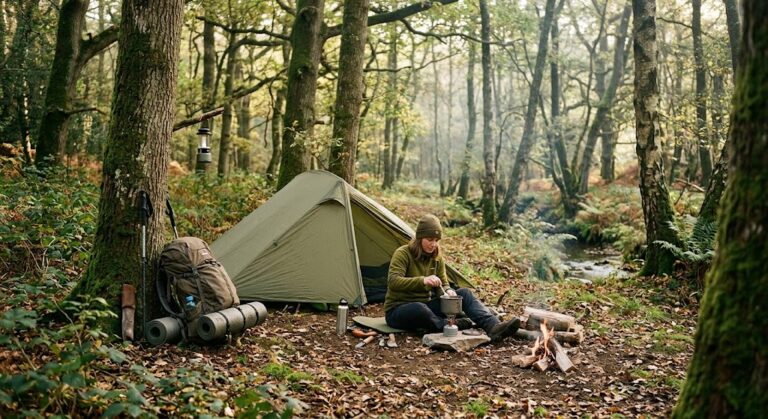
You don’t need to travel to a campsite to practise your camping skills. Your own garden can provide an excellent opportunity to spend a night outdoors, test your equipment and discover how well prepared you are for a longer trip.
A night in the garden might sound straightforward, but it gives you a chance to practise pitching your shelter, organising your equipment, managing changing temperatures and getting comfortable in a sleeping bag. You may also discover small problems with your kit that are much easier to solve at home than when you’re miles from help.
For this challenge, you’ll spend a full night sleeping outdoors in your garden, using suitable camping equipment and treating the experience as a genuine overnight camp.
Your Challenge
Set up a campsite in your garden, prepare everything you need for the night and sleep outdoors until the following morning.
Your aim is to practise the complete camping routine, from choosing a suitable place for your shelter to packing away your equipment afterwards. Pay attention to how you organise your kit, how comfortable your sleeping arrangement is and whether anything you brought was unnecessary or something important was missing.
You can complete this challenge alone or with other people, provided everyone involved is comfortable with the arrangement and appropriate supervision is available where needed.
You do not need a large garden or expensive equipment. A small, level outdoor space and a suitable tent or other safe camping shelter are enough to get started.
What You’ll Need
- A suitable tent or other purpose-designed camping shelter.
- A sleeping bag appropriate for the expected overnight temperature.
- A sleeping mat or other suitable camping insulation.
- Clothing suitable for the forecast conditions, including dry spare layers.
- A torch or head torch with sufficient battery life.
- Drinking water and any food you need.
- A waterproof layer in case of rain.
- Your usual essential personal items, including any necessary medication.
- A notebook or phone for recording what you learn.
Check your equipment before starting. Make sure your tent has all its poles, pegs and guylines, and check that your sleeping bag and mat are in good condition.
Look at the forecast for the whole night rather than just the conditions when you begin setting up. Temperature, wind and rain can change considerably after dark. If severe weather is forecast, postpone the challenge rather than exposing yourself to unsuitable conditions.
If you’re camping with children, make sure a responsible adult is present and that the arrangement is appropriate for their age, confidence and needs.
Take the Challenge
1. Choose a suitable camping spot
Walk around your garden and decide where you will pitch your shelter. Although you are close to home, treat the choice as you would at a campsite.
Look for ground that is reasonably level, firm and well drained. Avoid obvious hollows where rainwater could collect, and do not pitch beneath dead branches or trees that could shed limbs in strong winds.
Keep away from barbecues, fire pits, outdoor heaters and other potential sources of fire or carbon monoxide. Never use a barbecue, camping stove, generator or fuel-burning heater inside a tent or enclosed shelter, including one pitched in your garden. Carbon monoxide is odourless and can be fatal.
Consider the route between your shelter and the house. You should be able to reach a toilet, drinking water or assistance safely without tripping over guy lines or other equipment in the dark.
Before pitching, check the ground for sharp objects, animal holes and anything else that might damage your shelter or make sleeping uncomfortable.
2. Pitch your shelter properly
Set up your tent according to the manufacturer’s instructions. If you have not used it recently, this is a good opportunity to check that you remember how it fits together.
Lay out the groundsheet if your tent has a separate one, assemble the poles and secure the tent with the correct pegs and guylines. Keep the entrance accessible and make sure the structure is stable.
Even in a sheltered garden, wind can place considerable strain on a tent. Secure it properly rather than relying on the weather remaining calm. If the ground is unsuitable for pegging or the forecast suggests conditions beyond your shelter’s limits, choose another arrangement or postpone the challenge.
Once the tent is standing, inspect the seams, doors and rain protection. Check that ventilation openings remain clear, particularly if the weather is cold or damp.
If you’re using a bivvy shelter or another purpose-designed sleeping arrangement instead of a tent, follow its instructions and make sure it provides appropriate protection for the conditions.
3. Organise your equipment
Now arrange your kit so that you can find everything you need without rummaging through your entire bag.
Keep your torch somewhere you can reach easily from your sleeping position. Put spare clothing in a dry bag or another waterproof container, and keep essential items protected from rain and condensation.
Place footwear where you can find it without stepping outside barefoot. Avoid leaving shoes or equipment where they could block the entrance or create a tripping hazard.
Separate clean, dry clothing from anything wet. If you bring food, store it securely and clear away rubbish so that it does not attract wildlife or become scattered around the garden.
Think about which items you expect to use during the evening and which you will need in the morning. Keeping frequently used equipment accessible makes a noticeable difference when you are tired or it is dark.
Before settling down, check that your phone is charged and that you have a reliable way to contact someone if necessary.
4. Prepare for the evening
Once your shelter is ready, spend some time getting comfortable with your campsite.
Have your evening meal before settling into your sleeping bag. If you need to prepare hot food or drinks, use suitable cooking equipment outdoors, following its instructions and keeping it well away from the tent, fabric, dry vegetation and other combustible materials. Never cook inside your tent.
You can make the evening more interesting by recording the temperature, observing changes in the weather or listening to the sounds around your garden as daylight fades.
Notice how the environment changes after dark. Sounds that were easy to ignore during the day may become more noticeable when everything is quieter. You might hear birds settling, insects calling or small animals moving through nearby vegetation.
If you want to practise your navigation or observation skills, identify the direction of the sunset or note the weather conditions. Keep any activity within the safe boundaries of your property.
Before bed, make a final check of your shelter, equipment and surroundings. Ensure your torch works, your clothing is dry and your sleeping system is ready.
5. Set up your sleeping system
A comfortable night depends on more than the sleeping bag alone.
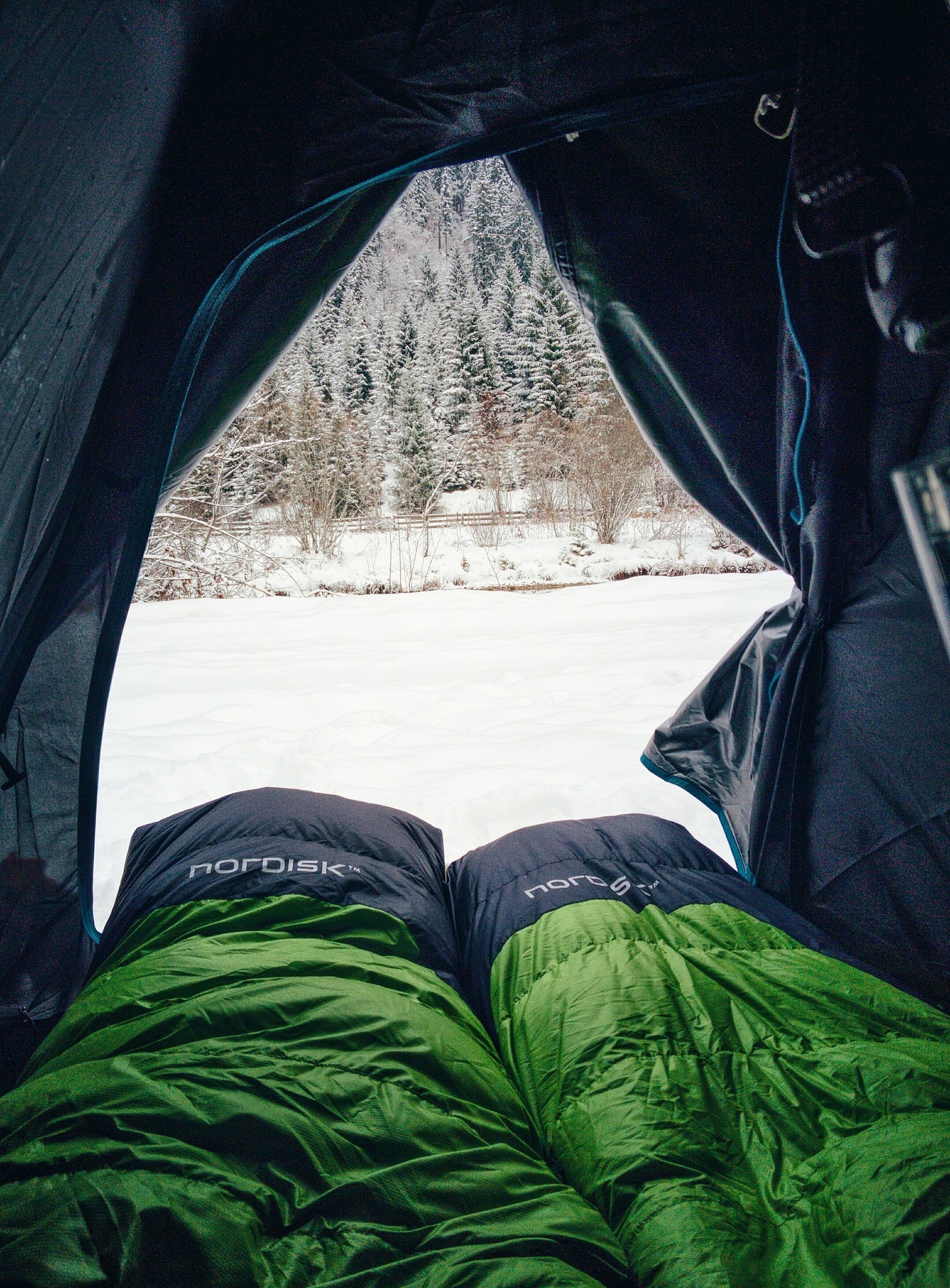
Place your sleeping mat on a clean, suitable surface inside the shelter. The mat provides insulation from the ground, which can draw heat away from your body even when the air temperature feels relatively mild.
Use a sleeping bag rated appropriately for the expected conditions. Check whether its temperature rating refers to a comfort limit, a lower limit or another manufacturer-defined measurement. Do not assume that every rating means the same thing.
Wear dry base layers and suitable sleepwear. Avoid going to bed in damp clothing, and keep spare layers available if the temperature drops.
Make sure your sleeping bag is not compressed beneath unnecessary items and that you can move comfortably inside it. If you use a pillow at home, you might find a small camping pillow helpful, although a suitable packed spare layer can also provide support.
Ventilation matters even on cold nights. Follow your shelter’s ventilation guidance rather than sealing the tent completely to retain warmth.
If you become uncomfortably cold, wet or unwell, go indoors. Completing the challenge is not worth risking hypothermia or another cold-related illness.
6. Spend the night outdoors
Now comes the main part of the challenge: staying in your shelter overnight.
Try to follow your normal bedtime routine as closely as possible. You may find that falling asleep takes longer because of unfamiliar sounds, changes in temperature or the feel of your sleeping equipment.
If you wake during the night, notice what caused the disturbance. Was the sleeping mat uncomfortable? Did condensation form inside the tent? Was a sleeping bag too warm or not warm enough? Did you have to search for your torch or another item?
These observations are useful because they highlight practical changes you can make before your next camping trip.
You do not need to stay awake deliberately or make the experience harder than necessary. The objective is to experience a night outdoors, not to deprive yourself of sleep.
If the weather deteriorates, your shelter becomes unstable or you feel unsafe, return indoors. You can always try again when conditions are suitable.
7. Wake up and pack away
In the morning, take a few minutes to assess how the night went before dismantling your campsite.
Check whether your sleeping bag, clothing and other equipment remained dry. Look for condensation on the inner tent and inspect the ground around your sleeping area.
If your tent is wet, shake off excess water where appropriate and allow it to dry thoroughly before storing it for longer periods. Packing a damp tent away for too long can lead to mould and damage.
Pack your equipment methodically, checking that you have collected every item, including tent pegs, guylines and small accessories.
Leave the garden clean and return furniture or other objects to their original positions. Remove all rubbish and check that no sharp objects or trip hazards remain.
Finally, make a note of anything you would change next time. A successful camping trip is not simply one where you slept outside; it is one that helps you become better prepared for the next outing.
Check Your Results
After packing away, review your experience and answer these questions:
- Did you choose a suitable and safe place to pitch your shelter?
- Did you pitch the shelter securely and check its condition?
- Could you find your essential equipment easily after dark?
- Did your sleeping bag and mat keep you comfortable throughout the night?
- Did you notice any condensation, damp clothing or other problems?
- Was there anything you packed that you did not need?
- Was there anything missing that would have made the night more comfortable or practical?
- Did you sleep outdoors until the following morning, or did you need to return indoors for safety or comfort?
Be honest about the results. If your sleeping bag was unsuitable, your equipment was difficult to organise or your shelter became uncomfortable, these are useful lessons rather than failures.
Write down at least two things that went well and two changes you would make before your next overnight camp.
You could also record the overnight temperature, the general weather conditions and the equipment you used. This information can help you understand how your setup performs in different seasons.
Complete the Challenge
To complete this challenge, pitch a suitable shelter in your garden, organise your camping equipment and spend the night sleeping outdoors until the following morning.
You must use a suitable sleeping arrangement for the conditions and follow the relevant safety precautions. If severe weather or another hazard makes staying outside unsafe, return indoors and repeat the challenge on a more suitable night.
Take a photograph of your pitched shelter or your organised campsite as evidence. You can also record a few notes about your sleeping system and what you learned, but there is no need to photograph yourself sleeping or to share private details of your home.
How to Submit Your Challenge
Submit your evidence
Take a clear photograph of your pitched tent, sleeping setup or organised campsite. Make sure the photograph shows your own work and provides reasonable evidence that you prepared a garden camping arrangement.
You do not need to photograph yourself during the night or prove that you remained outdoors by putting yourself at risk. Your safety and privacy come first.
When you are ready to submit your evidence:
- Go to your Pure Bushcraft member profile.
- Open Social Activity.
- Upload your photograph of the campsite.
- Add the hashtag #Pure BushcraftChallenge83 to your post.
- Share it for verification.
If you wish, include a short description of how the night went, what equipment you used and one thing you learned. Avoid sharing identifying details of your home or anything else you would prefer to keep private.
Challenge 83 Checklist
Want to Push Yourself?
Once you have completed your first garden camp, try repeating the experience in a different season when conditions are suitable.
Compare the equipment you need for a mild summer night with what you would require during a colder autumn or spring night. Pay particular attention to sleeping insulation, clothing, rain protection and the way you organise your equipment.
You could also challenge yourself to pitch your shelter efficiently without rushing or skipping important steps. Time yourself if you wish, but prioritise a correctly pitched and secure shelter over speed.
Another useful exercise is to review your equipment list after the night. Identify which items genuinely helped, which were unnecessary and whether anything would benefit from being packed differently.
If you camp with other people, compare your observations. Different people may have different comfort requirements, and discussing those differences can help everyone prepare more effectively.
The aim is to become confident with your equipment before you depend on it farther from home. Your garden is a convenient place to learn, make adjustments and build good habits without needing to plan a full expedition.
What’s Next?
Continue developing your practical outdoor skills with Pure Bushcraft Outdoor Skills Challenge 82: Weigh Each Item in Your Kit. This challenge helps you understand the weight of your equipment, identify your heaviest items and make informed decisions about what you carry. It is a useful companion to an overnight camping exercise because knowing your kit’s weight can improve your packing and preparation.
You can complete the Pure Bushcraft Outdoor Skills Challenges in any order, so feel free to explore other challenges that interest you or return to earlier ones as you develop your skills.
Once you’ve shared your evidence and it has been verified, the Pure Bushcraft Outdoor Skills Challenge 83 is complete and the completed challenges figure will be updated on your profile.
🔒Ready to test your survival skills?
Join Pure Bushcraft for free, complete challenges, earn badges and increase your Survival Level.
JOIN FREE →
CRAIG BURR
FOUNDER · Pure Bushcraft
I'm Craig, the person behind Pure Bushcraft. I created Pure Bushcraft because I wanted somewhere people could learn real outdoor skills in a practical, straightforward way — from lighting a fire and tying knots to navigation, campcraft and everything in between.
You can read more about the story behind Pure Bushcraft here as well as our approach here.