How to Become More Self-Reliant Outdoors
Self-reliance outdoors is not about surviving without help, carrying the fewest possessions or proving that you can do everything the hard way. It is about developing the knowledge, practical skills and judgement to look after yourself, make informed decisions and deal with everyday problems when you are away from home.
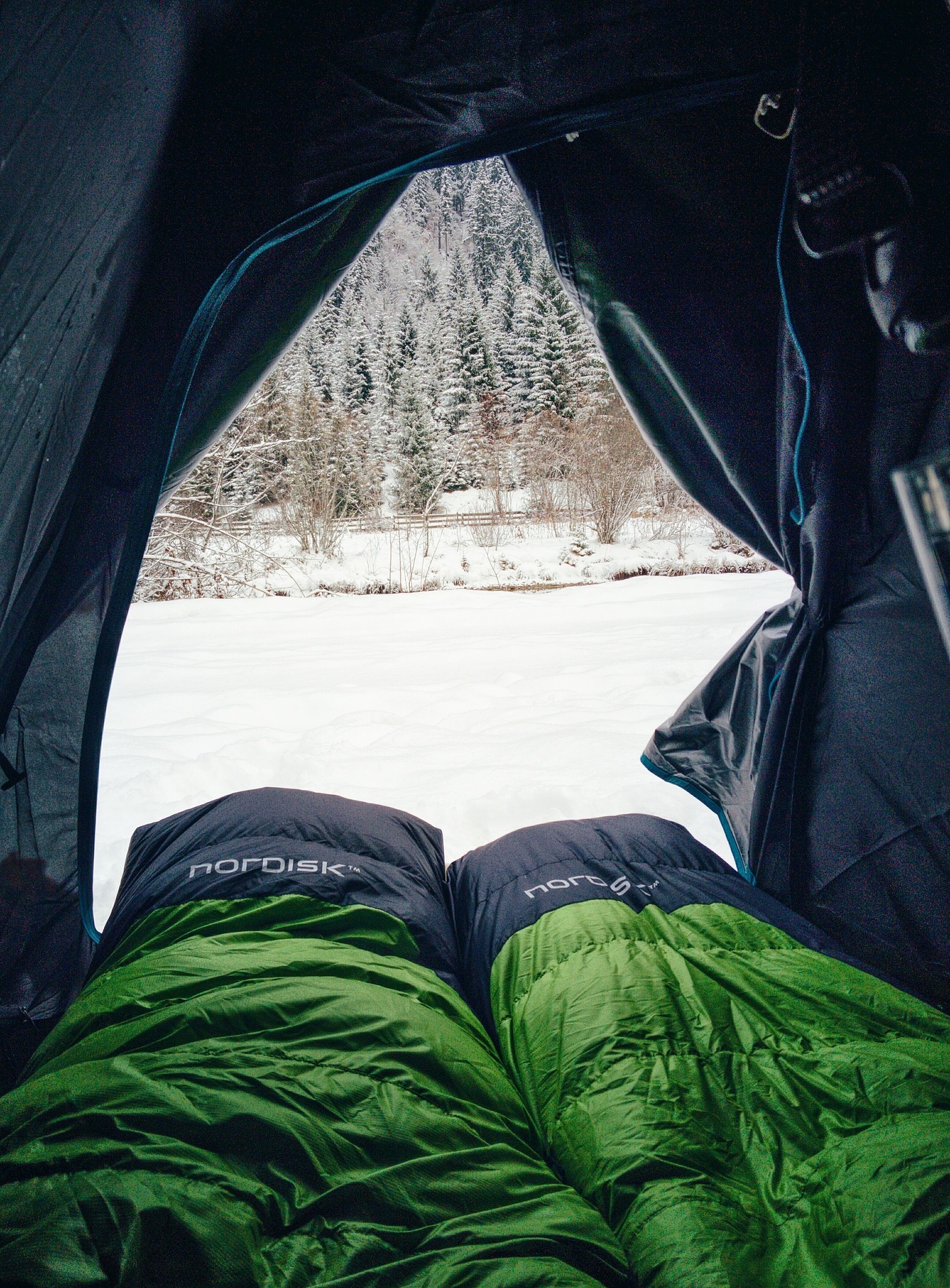
For some people, that might mean feeling more confident on a countryside walk. For others, it could mean setting up a tarp in the rain, navigating unfamiliar woodland, preparing a simple camp meal or spending a night under canvas without relying on a campsite full of facilities.
Whatever your experience level, becoming more self-reliant starts with learning to understand your surroundings and taking responsibility for your own preparation.
You do not need expensive equipment, years of experience or access to remote wilderness to begin. You need a willingness to learn, opportunities to practise and the humility to recognise when a situation is beyond your abilities.
Table of Contents
Here is how to start building genuine outdoor self-reliance, one skill at a time.
1. Learn to Make Decisions, Not Just Follow Instructions
One of the biggest differences between knowing a skill and being self-reliant is the ability to decide when and how to use it.
You might know how to pitch a tarp, light a fire or follow a compass bearing. However, those skills are only useful if you can recognise when they are appropriate.
For example, knowing how to build a fire does not mean lighting one is always the right decision. The ground may be too dry, local restrictions may prohibit fires, or the location may have no suitable safe fire site.
Similarly, being able to follow a compass bearing does not mean you should continue along it if the terrain becomes dangerous.
Self-reliance means assessing the situation rather than blindly following a plan.
Before starting an outdoor activity, ask yourself:
- What am I trying to achieve?
- What conditions am I likely to encounter?
- What could go wrong?
- What equipment and skills will I need?
- What alternatives do I have if the original plan becomes unsuitable?
These questions encourage you to think ahead and identify problems before they develop.
Put it into practice: Before your next walk or camping trip, write down three things that could change your plans and decide how you would respond to each one.
2. Become Confident with Navigation
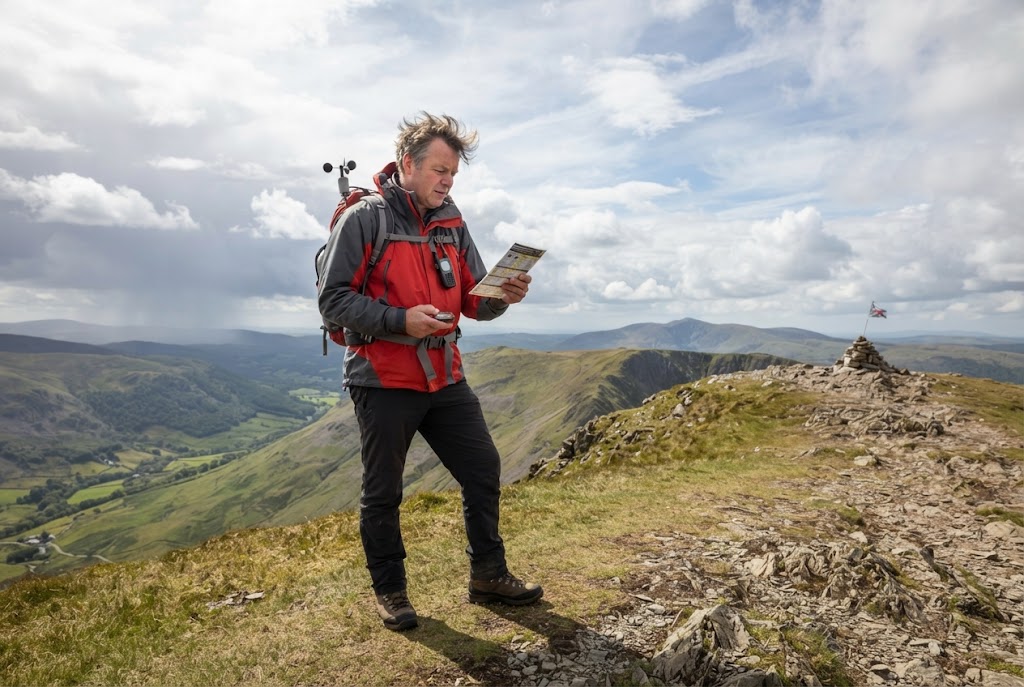
Navigation is one of the most important foundations of outdoor self-reliance.
If you can establish where you are, understand the terrain and work out how to reach a destination safely, you become less dependent on marked paths, mobile phone coverage and other people leading the way.
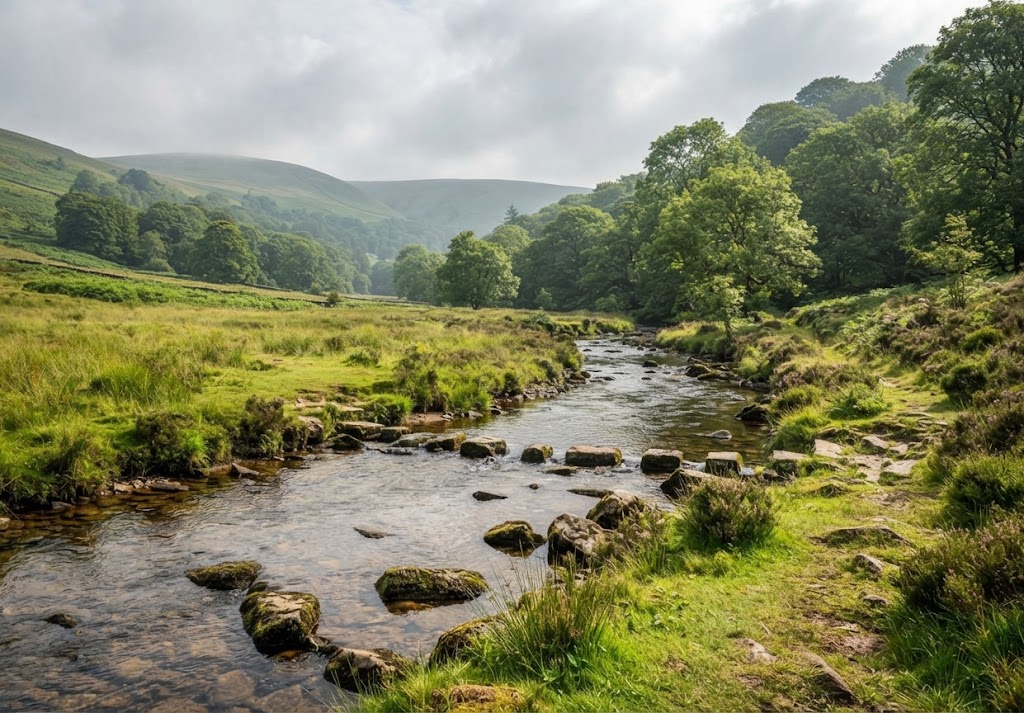
Start with a map of an area you know. Learn to recognise paths, woodland boundaries, streams, hills and other landscape features.
Then develop your ability to use a compass.
Skills worth developing
Map reading: Understand map symbols, scales, contour lines and grid references.
Map orientation: Learn to align your map with the surrounding landscape.
Compass bearings: Practise taking and following bearings between identifiable points.
Position awareness: Regularly compare what you see on the ground with what your map shows.
Route planning: Identify alternative routes, potential hazards and features that will help you confirm your position.
Do not wait until you are lost to practise navigation. Start in familiar surroundings and gradually introduce more challenging terrain as your skills improve.
A phone with offline maps can provide a useful additional navigation tool, but it should not be your only plan. Batteries fail, devices become damaged and electronic maps do not remove the need to understand the landscape.
Put it into practice: Plan a short walk using a paper map. Identify several landmarks along the route and check your position as you travel rather than relying entirely on your phone.
3. Learn to Manage Your Own Shelter
Shelter is more than having a tent in your rucksack. Self-reliance involves understanding how to choose a suitable location, protect yourself from the weather and make effective use of the equipment you have.
Start by learning the strengths and limitations of your shelter system.
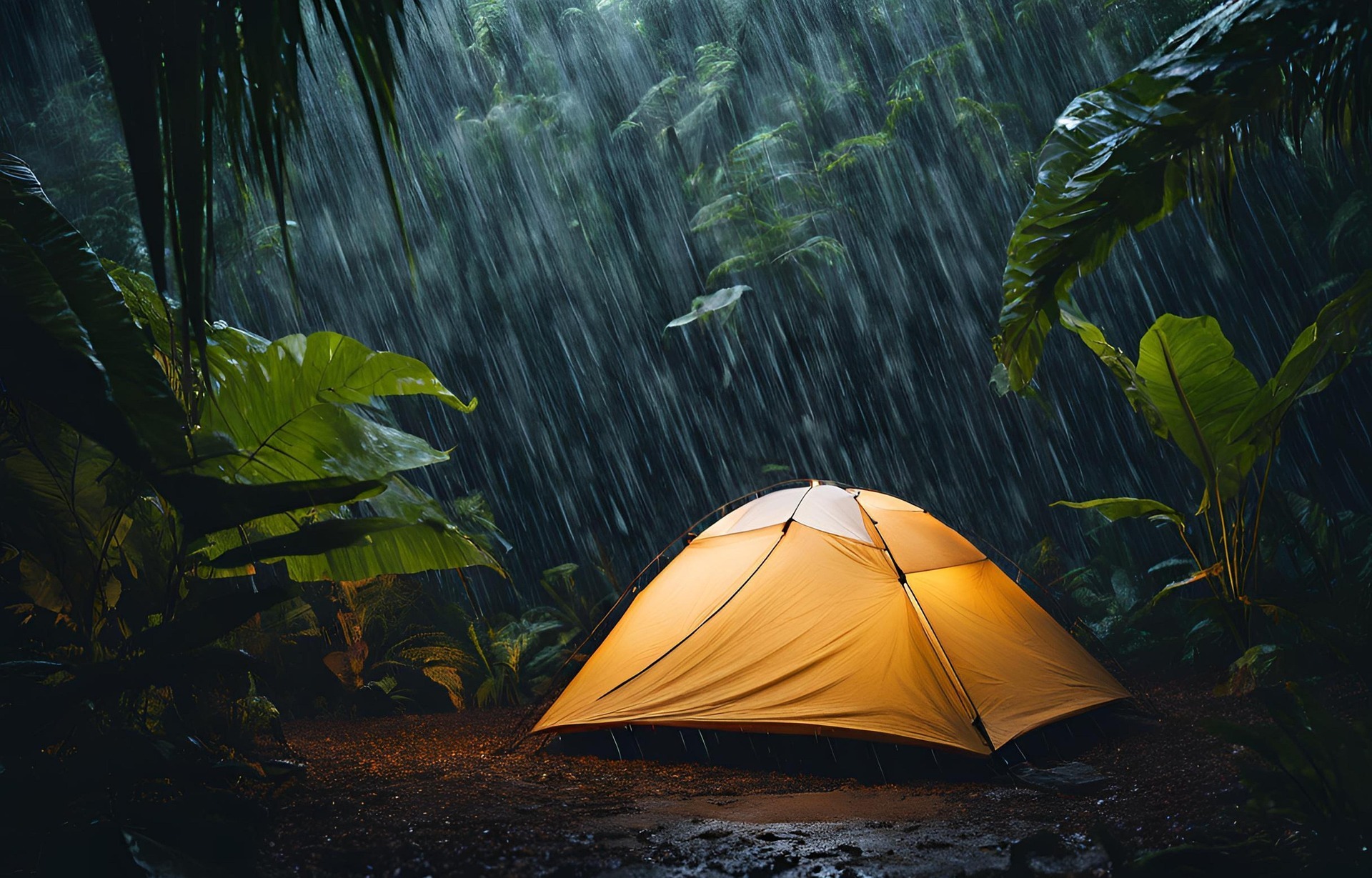
A tent may provide protection from rain and wind, while a tarp offers flexibility but requires careful pitching and a suitable site. Neither is automatically the best choice for every environment.
Understand the conditions
Before pitching a shelter, consider:
- The direction and strength of the wind.
- The likelihood of rain and how water will drain across the ground.
- Whether the site is exposed or sheltered.
- The condition of nearby trees and branches.
- The risk of flooding or water collecting overnight.
- Whether camping is permitted at that location.
Avoid sites beneath dead or unstable branches, beside steep banks that could collapse or in hollows where water may collect.
Learn to pitch your shelter before relying on it during a difficult trip. Practise adjusting tension, securing guy lines and dealing with the limitations of your equipment.
If you use a tarp, understand how different configurations affect protection from wind-driven rain and exposure.
Put it into practice: Pitch your shelter in a safe, permitted location in calm weather. Once you can set it up confidently, practise choosing a suitable site and adapting the pitch to the forecast conditions.
4. Develop Reliable Fire Skills
Fire can be useful for warmth, cooking and morale, but responsible self-reliance includes knowing when not to light one.
Start by understanding the principles of combustion, the differences between tinder, kindling and larger fuel, and how moisture affects ignition.
Learn how to prepare materials before attempting to light a fire. This is particularly important in damp British conditions, where apparently dry material may be wet internally or exposed to moisture from the ground.
You should also understand the limitations of different ignition methods and practise with your equipment before depending on it outdoors.
Learn the whole process
Reliable fire management involves more than creating a flame.
You need to know how to:
- Prepare suitable tinder and kindling.
- Build an appropriate fire lay.
- Select fuel that suits the intended purpose.
- Keep the fire within safe limits.
- Control sparks and avoid damaging the surrounding area.
- Extinguish the fire completely.
Only practise with open fires where they are permitted, using a suitable established fire site and following landowner requirements and local restrictions.
Never assume that you have permission to collect wood simply because it is dead or lying on the ground. Deadwood can be important wildlife habitat, and gathering rights vary.
Put it into practice: Before your next permitted fire-lighting session, prepare a checklist covering ignition, fuel, fire safety and extinguishing the fire. Good preparation is part of the skill.
5. Understand Water Safety and Water Treatment
Water is essential, but finding a water source does not automatically mean you have found safe drinking water.
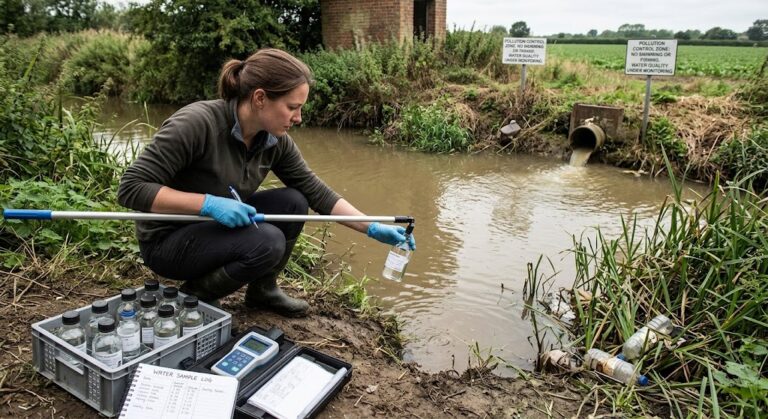
A stream may look clear while containing harmful microorganisms or chemical pollutants. Agricultural runoff, sewage contamination and other pollutants can make water unsafe even when there is no obvious sign of a problem.
Becoming self-reliant means knowing how to plan your water supply and understand the limitations of the methods available to you.
Plan before you leave
For ordinary walks and camping trips, carry an appropriate supply of drinking water and understand how much you are likely to need in the expected conditions.
If you intend to use a water filter or treatment system, learn how it works and what it can and cannot remove.
Different methods address different risks. Boiling can kill many disease-causing organisms, but it does not remove chemical contamination. Some filters do not remove viruses, while chemical treatments may have limitations depending on the organisms and water conditions.
Where contamination is suspected and cannot be assessed or adequately treated, find another source.
Do not rely on improvised water treatment when you do not understand its limitations.
Put it into practice: Read the instructions for your water treatment equipment and identify the risks it is designed to address. Make sure you know what additional precautions may be necessary.
6. Learn to Look After Yourself in Changing Weather
British weather can change quickly, particularly in exposed countryside and upland areas.
A pleasant morning can become cold, wet and windy, leaving you uncomfortable or struggling to maintain body heat if you are poorly prepared.
Self-reliance involves understanding how weather affects your plans and knowing when conditions require you to change course.
Build your weather awareness
Before setting out, check a reliable forecast for the area you intend to visit.
Consider temperature, wind speed, wind direction, rainfall, visibility and any weather warnings.
Choose clothing appropriate to the conditions, including layers that help you manage warmth and moisture. Carry suitable waterproof protection when conditions warrant it.
Remember that staying warm is not simply a matter of wearing a thick jacket. Wind, wet clothing, exertion and inadequate shelter can all contribute to heat loss.
Learn to recognise when you are becoming too cold, overheated or exhausted. Do not wait until the problem is severe before taking action.
If the forecast indicates conditions beyond your experience or equipment, changing the route or postponing the trip is often the most sensible choice.
Put it into practice: Keep a simple weather log during your walks. Record the forecast, what you actually experience and how your clothing performs. Use those observations to improve future preparation.
7. Become Better at Solving Everyday Problems
Outdoor self-reliance is often built through small, ordinary problems rather than dramatic survival situations.
A loose buckle, a tangled guy line, a damp tinder bundle or an uncomfortable rucksack strap can all become frustrating if you have never dealt with them before.
The more familiar you become with your equipment, the easier it is to respond calmly when something goes wrong.
Start by learning basic equipment maintenance and repair.
Understand how to inspect straps, buckles, zips and cordage. Learn how to secure loose items, organise your kit and make simple adjustments without damaging your equipment.
A small repair kit may be useful, depending on your activities. Items such as suitable repair tape, spare cord and a basic repair buckle can help address certain minor equipment problems.
However, do not assume that a temporary repair is safe for every purpose. A damaged structural component, compromised climbing equipment or a failed load-bearing attachment may need to be taken out of use.
Practise before you need to improvise
Rather than waiting for something to break during a trip, practise handling common problems at home.
For example, learn how to adjust your rucksack, repair a small non-structural tear using an appropriate repair method or replace a damaged guyline.
This builds familiarity without exposing you to unnecessary risk.
Put it into practice: Inspect your outdoor equipment and identify three possible failure points. Learn how to prevent each problem or respond safely if it occurs.
8. Learn Basic Outdoor First Aid
Self-reliance does not mean treating every injury yourself or refusing professional help. It means recognising problems early, knowing what immediate action is appropriate and understanding when assistance is needed.
Outdoor first aid is particularly important because help may take longer to reach you in remote areas.
Begin with common issues such as blisters, minor cuts, sprains, heat-related illness and cold-related illness.
Learn how to assess a situation, protect yourself and other people, and summon emergency assistance when required.
Prepare your first-aid kit
Carry a kit suited to your activities, the size of your group and the conditions you expect.
Become familiar with its contents before leaving home. Check that supplies are in usable condition and replace anything that is damaged or out of date.
Do not carry items that you do not understand how to use simply because they appear on a generic equipment list.
Consider completing a recognised first-aid course, particularly if you regularly camp, hike or spend time away from easy access to help.
Put it into practice: Choose a realistic scenario, such as developing a painful blister during a long walk. Work through how you would manage it, decide whether to continue and seek help if necessary.
9. Improve Your Ability to Judge Risk
One of the most valuable aspects of outdoor self-reliance is learning to recognise when a situation is becoming unsafe.
Experience helps, but confidence alone is not a reliable measure of ability. A person may be comfortable walking through woodland yet have little experience with steep ground, deep water or severe weather.
Be honest about what you can do and what you still need to learn.
Before an activity, consider the likely hazards, your experience, your equipment and the consequences of making a mistake.
During the activity, keep reassessing conditions. A route that was suitable at the beginning may become inappropriate if visibility deteriorates, water levels rise or someone in the group becomes unwell.
Have a clear alternative
Think about what you will do if the original plan no longer works.
You might choose a shorter route, return to a known location, use a safer alternative shelter site or abandon the activity entirely.
These decisions are part of outdoor competence, not evidence of failure.
Put it into practice: Before your next outing, identify the conditions that would make you turn back. Having those limits in mind before you become tired or committed to a route can make decisions easier.
10. Learn to Travel Light Without Leaving Out Essentials
Carrying too much equipment can make walking tiring and awkward. Carrying too little can leave you without the means to manage changing conditions or unexpected problems.
The aim is not to own the smallest rucksack or to reduce your equipment at any cost. It is to carry what you need for the activity, conditions and level of experience.
Start by understanding the purpose of every item in your kit.
Ask yourself whether it is essential, useful, a duplicate of something else or unnecessary for the trip.
Then consider whether the item is reliable and whether you know how to use it.
Prioritise function over appearance
You do not need expensive specialist equipment to develop self-reliance.
A suitable map, a compass you can use, appropriate clothing, drinking water, food, basic first aid and reliable shelter arrangements are generally more valuable than buying equipment you do not understand.
The exact requirements depend on the activity and environment. A short walk close to home has different needs from an overnight trip in exposed countryside.
Avoid copying another person’s equipment list without considering whether it suits your own circumstances.
Put it into practice: After each trip, review what you carried. Identify anything you did not need, but also consider whether there was anything missing that would have improved safety or comfort.
11. Learn to Use Natural Resources Responsibly
Bushcraft often involves understanding the materials and resources found in the landscape.
You might learn to identify useful trees, recognise potential tinder, understand natural fibres or observe how the terrain influences shelter choices.
However, self-reliance does not mean assuming that every resource is available for collection.
Land access, conservation rules, private property and the needs of wildlife all matter. A plant may be useful without being appropriate to harvest, and fallen wood may still be important habitat.
Start by learning to identify natural materials and understand their properties before attempting to use them.
Develop observation skills
When you are outdoors, notice which plants grow in wet ground, which trees are common in a particular habitat and how exposed areas differ from sheltered ones.
Learn how to distinguish species accurately, including potentially harmful lookalikes.
Foraging requires particular care. Do not eat a plant or fungus unless you can identify it confidently using reliable features and know that the collection site is suitable. Never assume that cooking removes every hazard.
Often, the most valuable skill is learning what is present without disturbing it.
Put it into practice: Choose one common British tree or plant and learn its identifying features, habitat, potential uses and any relevant safety or conservation considerations.
12. Build Experience Through Small Outdoor Trips
You do not need to begin with a remote expedition or an overnight stay.
Short, manageable trips provide opportunities to test your knowledge while keeping the consequences of mistakes relatively low.
Start with a familiar walk or a permitted outdoor activity close to home. Choose one or two skills to practise rather than trying to master everything at once.
For example, you might plan a short walk using a map and compass, practise setting up your tarp in a suitable location or learn to identify several common trees.
As your confidence grows, gradually introduce more complex activities.
Keep notes about what worked, what did not and what you want to practise next.
Try a gradual progression
Stage one: Learn at home. Study the principles, practise basic techniques and become familiar with your equipment.
Stage two: Practise close to home. Apply your skills in familiar, low-risk surroundings.
Stage three: Introduce variety. Practise in different weather conditions and on different types of terrain, where it is safe and appropriate.
Stage four: Combine skills. Plan an outing that involves navigation, equipment preparation, weather awareness and practical outdoor tasks.
Stage five: Review your decisions. Identify gaps in your knowledge and return to them before attempting more demanding activities.
Progress should depend on competence and conditions rather than a fixed timetable.
13. Make Learning a Regular Habit
Self-reliance develops through repetition. Reading a guide once is rarely enough to make a skill dependable.
You will improve more effectively if you practise regularly and revisit skills that you have not used for a while.
A simple weekly routine can help.
|
Session |
Skill to practise |
Example |
|---|---|---|
|
Session 1 |
Navigation |
Read a map and practise a compass bearing. |
|
Session 2 |
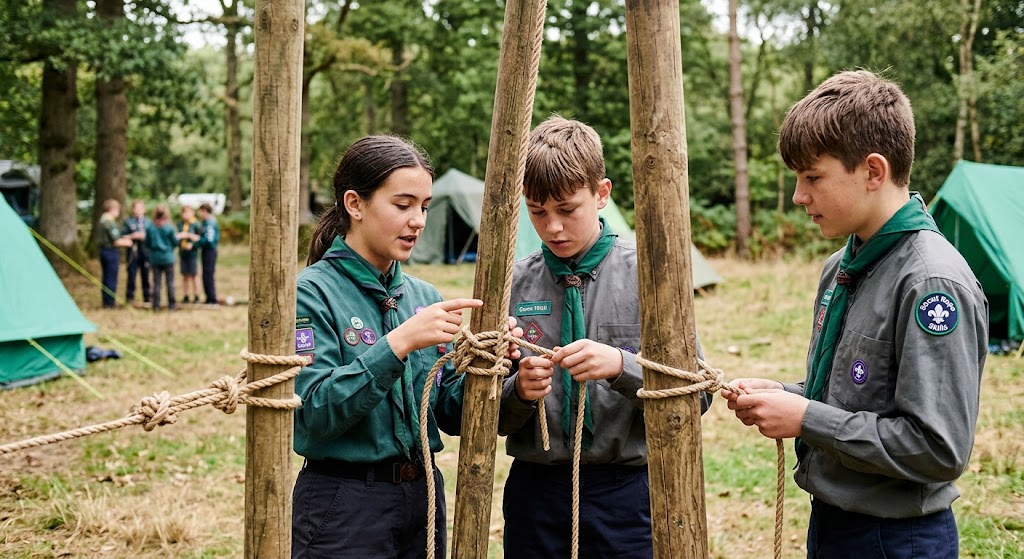
Knots and cordage |
Tie and inspect two useful knots. |
|
Session 3 |
Natural knowledge |
Study a common tree or plant. |
|
Session 4 |
Equipment |
Inspect, organise or repair your kit. |
|
Session 5 |
Practical application |
Put one skill to use during a suitable outdoor session. |
|
Review |
Decision-making |
Record what you learned and what needs more practice. |
You do not need to complete every session each week. Even 15 minutes of focused practice can be worthwhile.
The important thing is to keep learning and to test your skills under suitable conditions.
Pure Bushcraft’s guides, Reference Library and Outdoor Skills Challenges can help you choose what to learn next and give your practice a clear purpose.
14. Understand That Self-Reliance Includes Asking for Help
There is a common misconception that being self-reliant means never needing anyone else.
In reality, good judgement includes recognising your limitations and seeking help when necessary.
Experienced outdoor people still check forecasts, follow land management guidance, learn from others and ask questions when they encounter something unfamiliar.
They also recognise when a situation has become dangerous enough to require outside assistance.
Carrying a phone, telling someone your plans and knowing how to contact emergency services are sensible precautions. They do not make you less self-reliant.
Neither does choosing to turn back.
True self-reliance is about taking responsibility for your decisions, including the decision to stop before a manageable problem becomes an emergency.
Final Thoughts
Becoming more self-reliant outdoors is a gradual process built on practical knowledge, regular practice and sensible decision-making.
Learn to navigate, understand shelter and weather, manage water safely, maintain your equipment and recognise common hazards. Practise these skills in manageable situations before relying on them during more demanding trips.
Most importantly, develop the judgement to recognise when a plan needs to change.
You do not need to be an expert, own expensive equipment or disappear into the wilderness to begin. Start with the skills you can practise today, build on what you learn and put your knowledge to use whenever you have a suitable opportunity.
The goal is not to prove that you can manage without help. It is to become more capable, better prepared and more confident in the outdoors.
Your next step: Choose one outdoor skill you are not yet confident with, practise it this week and identify a safe opportunity to use it in the real world.
🔒Ready to test your survival skills?
Join Pure Bushcraft for free, complete challenges, earn badges and increase your Survival Level.
JOIN FREE →
CRAIG BURR
FOUNDER · PURE BUSHCRAFT
I'm Craig, the person behind Pure Bushcraft. I created Pure Bushcraft because I wanted somewhere people could learn real outdoor skills in a practical, straightforward way — from lighting a fire and tying knots to navigation, campcraft and everything in between.
You can read more about the story behind Pure Bushcraft here as well as our approach here.