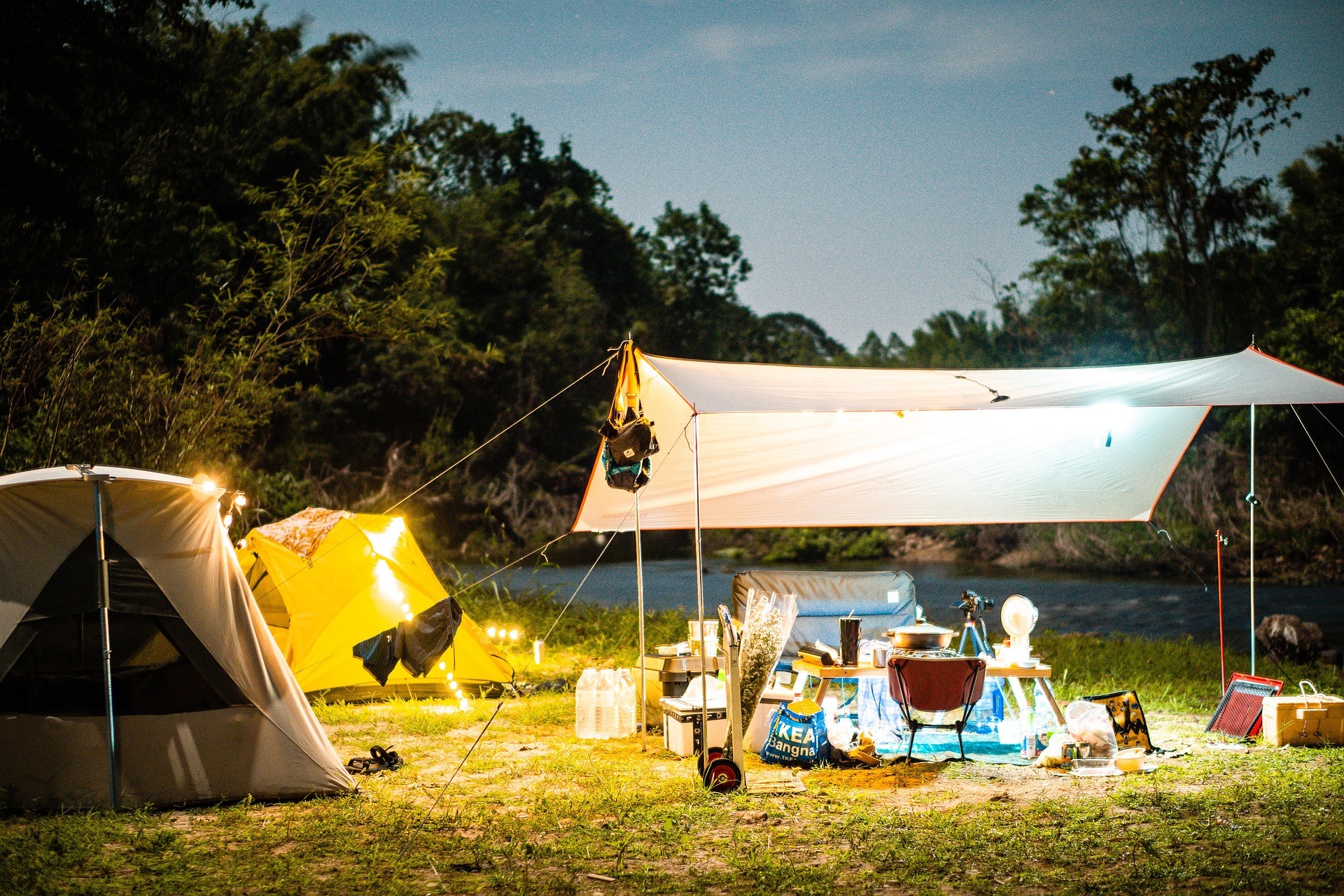
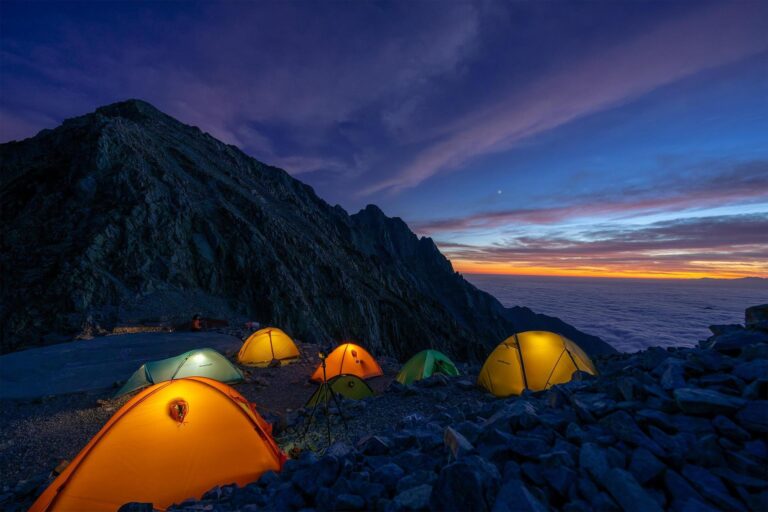
Why You Can’t Trust UK Wild Camping Reddit: 101 Reasons to Think Twice
If you’ve ever wanted to try wild camping in the UK, there’s a good chance you’ve ended up browsing Reddit. Perhaps you’ve searched for somewhere to pitch your tent, asked which sleeping bag to buy, wondered whether you can have a fire, or simply wanted reassurance that you aren’t about to make a complete fool of yourself on your first night outdoors.
Reddit can be useful. There are experienced walkers, campers, climbers and outdoor enthusiasts sharing genuine knowledge, and some discussions contain excellent advice. You can discover useful equipment, learn from other people’s mistakes and find answers to questions you might not have thought to ask.
But there’s a problem.
Reddit is a discussion platform, not an authoritative source of UK wild camping law, outdoor safety advice or bushcraft instruction.
A confident answer can be wrong. A popular opinion can be misleading. A set of map coordinates can lead you somewhere you have no permission to camp. And someone who has spent twenty years camping in one part of Scotland might not understand the access arrangements in the English countryside.
Then there’s the equipment culture, the attitudes towards campfires, the tendency to argue over what constitutes proper camping, and the occasional suggestion that a beginner needs to spend a small fortune before they’re equipped to sleep outdoors.
For someone trying to learn, it can all become rather confusing.
Here at Pure Bushcraft, I want people to develop genuine outdoor skills, understand their responsibilities and become more confident in the countryside. That means asking questions, checking information and learning to make sensible decisions for yourself.
It also means questioning advice, even when it has dozens of upvotes.
This isn’t an argument that every Reddit user is clueless or that everything posted in wild camping communities is rubbish. Far from it. The problem is treating a collection of individual opinions as if it were a reliable, universal guide to wild camping in the United Kingdom.
So let’s look at 101 reasons why you should think twice before treating UK wild camping subreddits as your go-to source of information.
Part One: The Problem With Wild Camping Law and Access
1. They can make the UK sound like one big camping ground
The United Kingdom doesn’t have one universal set of wild camping rules. Access rights, restrictions and local arrangements differ between nations and locations. Advice without that context can be dangerously misleading.
2. Scotland isn’t England
Scotland’s access framework permits responsible lightweight tent camping in many places, subject to the Scottish Outdoor Access Code and applicable restrictions. England does not offer the same general right to wild camp on open access land. Assuming the rules are interchangeable is a basic mistake.
3. Wales isn’t Scotland either
Wales has its own access arrangements, and public access to land does not automatically include permission to camp overnight. Anyone planning a trip needs to establish what applies to the specific location rather than borrowing advice from a Scottish camping discussion.
4. The right to roam is not a right to camp
In England, open access rights cover certain recreational activities, but camping is generally excluded unless another permission or arrangement applies. Walking across land and pitching a tent on it are not the same thing.
5. Common land doesn’t automatically mean common camping rights
The word common can create a false impression that land is free for anyone to use however they wish. Common land has particular ownership and usage arrangements, and camping without permission is not generally permitted simply because the land is common.
6. Dartmoor has its own specific arrangements
Dartmoor provides opportunities for backpack camping in designated areas under its current guidance. That doesn’t mean you can pitch anywhere on Dartmoor, camp in a vehicle or assume the same arrangements apply to other national parks.
7. National parks aren’t automatically wild camping zones
National park status does not give everyone unrestricted permission to camp overnight. Each location has its own arrangements, and some authorities actively direct visitors towards authorised campsites.
8. Private land doesn’t become public because it looks remote
A secluded woodland, a quiet field or a patch of land hidden behind a ridge may look ideal for a night under the stars. None of those characteristics establishes a right to camp there.
9. A public footpath doesn’t give you permission to pitch a tent
Public rights of way provide specific rights of passage. They are not blanket permission to leave the path, establish a camp and spend the night on adjoining land.
10. Old advice can become outdated
Access arrangements, temporary restrictions, local byelaws and official guidance can change. A post that was accurate several years ago may no longer describe the current position.
11. Legal advice is often stripped of its context
Someone might accurately describe what happens in their local area but leave out the permission arrangements, access rights or restrictions that make their experience possible. Readers then repeat the conclusion without understanding the circumstances.
12. People confuse what happens in practice with what is permitted
Someone may have camped somewhere for years without being challenged. That doesn’t establish that they had permission or a legal right to do so.
13. Trespass gets reduced to simplistic slogans
Online discussions can turn a complicated question into a confident one-line answer. The legal consequences depend on the circumstances, the land involved and the relevant law. Don’t base your plans on a slogan from a comment thread.
14. Local restrictions can be overlooked
A location may have restrictions that don’t apply to the surrounding countryside. Seasonal camping controls, protected sites and local rules can all affect what is appropriate.
15. Access permission and fire permission aren’t the same question
Even if you have permission to camp somewhere, you shouldn’t assume you can light a fire. The landowner’s conditions, local restrictions, environmental sensitivity and current fire risk all matter.
The lesson: Check the rules for the actual place you’re visiting. Start with official access guidance, the relevant national park authority and the landowner where necessary. The government’s guidance on access rights in England and the Scottish Outdoor Access Code are far better starting points than an anonymous comment.
Part Two: The Campfire Argument
16. They can treat every campfire as irresponsible
There is a legitimate reason to discourage fires in many wild camping locations. Fires can scar the ground, damage vegetation, harm wildlife and escape into surrounding habitats.
But there is a difference between explaining those risks and treating the act of learning firecraft as inherently irresponsible.
17. They can confuse firecraft with carelessness
Learning to prepare, light, manage and extinguish a fire is a practical outdoor skill. It requires judgement and an understanding of the environment. The fact that some people behave irresponsibly with fire doesn’t make every person learning that skill irresponsible.
18. They can overlook the value of learning fire safety
Understanding fuel, combustion, wind, ground conditions and extinguishing methods helps people recognise hazards. Even campers who rarely or never intend to light a fire can benefit from understanding how fires behave outdoors.
19. They can present stoves and fires as a simple moral choice
A stove is often the more appropriate option for cooking, particularly where environmental damage or wildfire risk is a concern. But the discussion should be about suitability, safety and impact, not about deciding that one type of camper is automatically better than another.
20. They can ignore the importance of ground conditions
A fire that appears harmless on the surface can damage organic soil beneath it. Peaty ground is particularly vulnerable because heat can persist below the surface and reignite later. A stone ring does not magically make a fire safe.
21. They can understate how quickly conditions change
A location that appeared suitable earlier in the year may be completely inappropriate during a dry spell. Wind, drought, surrounding vegetation and official fire warnings should influence decisions.
22. They can fail to distinguish a controlled fire from an escaped one
A properly assessed, permitted and controlled fire is not the same as an unattended blaze or a fire left smouldering in the ground. The distinction matters, even though some locations and conditions rule out fires altogether.
23. They can encourage arguments instead of education
Telling someone that they’re an idiot for asking about firecraft teaches very little. Explaining when a fire is inappropriate, what makes it dangerous and how to develop the skill in a suitable setting is far more useful.
24. They can ignore legal restrictions on open access land
In England, the legal framework for open access land specifically restricts lighting or tending a fire when exercising those access rights. Having learned firecraft elsewhere does not give you permission to practise it in a prohibited location.
25. They can overlook managed training environments
If someone wants to learn firecraft, a suitable bushcraft course or a location where fires are expressly permitted can provide a safer learning environment. The answer doesn’t have to be either “light a fire wherever you camp” or “never learn to light one”.
26. They can mistake a preference for a universal rule
Some campers prefer never to use open fires. That’s a perfectly reasonable personal choice. It becomes less helpful when that preference is presented as the only legitimate approach to outdoor skills.
27. They can neglect the importance of extinguishing a fire properly
Lighting a fire is only part of the responsibility. Knowing when to abandon the attempt, how to extinguish it thoroughly and how to check for residual heat is equally important.
28. They can confuse a photograph with proof of responsible practice
A photograph of a beautiful campfire tells you very little about the ground beneath it, the weather conditions, the permissions involved or what happened after the camera was put away.
29. They can ignore the wider value of practical fire skills
Firecraft can develop observation, patience, preparation and an understanding of natural materials. Those lessons are relevant to bushcraft even when the correct decision on a particular trip is to use a stove instead.
30. They can make beginners afraid to ask sensible questions
When firecraft discussions become hostile, beginners may stop asking about safe practice altogether. That’s a poor outcome for anyone who genuinely wants to learn how to handle fire responsibly.
The sensible position isn’t that everybody should have a fire when wild camping. It is that firecraft is a legitimate skill, while lighting a fire is a decision that must be justified by the location, conditions, permissions and risks.
For further guidance, consult Mountaineering Scotland’s camping advice and the Scottish Outdoor Access Code’s open-fire guidance.
Part Three: Random Coordinates and the Reality of Access
31. A map pin isn’t permission
Someone sharing a set of coordinates may have camped at that location, but their experience doesn’t establish that you have permission to do the same.
32. The person sharing the location may have misunderstood the rules
They may believe camping is permitted because other people do it, because they saw a tent there before, or because the location is remote. None of those things is reliable proof.
33. The landowner may have changed their arrangements
A place that was previously accessible through an agreement or informal tolerance may no longer be available. Online posts rarely provide a reliable way to confirm current permission.
34. A campsite can become a victim of its own popularity
Repeatedly sharing a previously quiet location can concentrate visitors in one small area. Even campers who behave responsibly can contribute to erosion, disturbance and pressure on fragile habitats.
35. Coordinates can lead you into working farmland
A pin may be close to livestock, crops, farm buildings or access routes used by agricultural vehicles. Arriving without checking the surrounding land can create problems for both the camper and the people working there.
36. You may encounter livestock in an unsuitable location
Knowing that a field exists isn’t the same as understanding what is grazing in it, how the animals may behave or whether there is a safe alternative route. Livestock awareness is an essential outdoor skill.
37. You may interfere with a farmer’s work
A tent, parked vehicle or group of campers can obstruct a gateway, track or access point. What looks like a quiet corner to a visitor may be part of someone’s working environment.
38. Estate managers may have legitimate reasons for restricting access
Land management, wildlife conservation, forestry work, public safety and seasonal activities can all influence where visitors should go. A stranger on Reddit may know nothing about those arrangements.
39. You might mistake a permissive route for unrestricted access
A landowner may allow people to walk through an area without allowing camping, fires or other activities. Permission for one activity does not automatically extend to everything else.
40. A location can be environmentally unsuitable despite being accessible
Permission to visit an area does not make every campsite a good choice. Ground-nesting birds, sensitive vegetation, erosion and other environmental factors should influence where you pitch.
41. Directions may omit difficult terrain
A coordinate doesn’t tell you whether the approach involves steep ground, boggy sections, river crossings or a long walk with a heavy pack. You need to assess the route, not just the destination.
42. The access route may be the real problem
The proposed campsite might appear harmless, but reaching it could involve crossing land without permission or leaving a public right of way. A location pin rarely explains the entire access situation.
43. A spot may be unsuitable in poor weather
A sheltered-looking hollow can collect water, while a seemingly convenient ridge can expose you to strong winds. Terrain and weather need to be considered together.
44. Online recommendations can hide the need for a backup plan
If the location is occupied, inaccessible or unsuitable when you arrive, what happens next? Responsible planning includes alternatives rather than relying on one supposedly secret spot.
45. You can be drawn into confrontation by following somebody else’s advice
Farmers, landowners, estate staff and local authorities may challenge people camping where they shouldn’t. The fact that somebody on Reddit told you it was fine won’t resolve the situation.
Exmoor National Park explicitly warns that locations recommended through social media or websites may not have landowner consent. Read its wild camping guidance before relying on a location shared online.
Part Four: The Expensive Equipment Trap
46. They can make premium kit appear essential
Read enough equipment discussions and you could easily conclude that you need a premium ultralight tent, an expensive sleeping system and several specialist accessories before you’re ready to spend a night outdoors.
You don’t.
47. They can confuse price with competence
An expensive tent won’t teach you how to choose a sheltered pitch. A premium sleeping bag won’t teach you how to manage condensation. Equipment can help, but it cannot replace knowledge and judgement.
48. They can make beginners feel under-equipped before they’ve started
People new to wild camping may already be nervous. Being told that their affordable equipment is worthless can put them off before they’ve had an opportunity to learn.
49. They can encourage unnecessary upgrades
If your existing equipment is suitable for the conditions, replacing it simply because a stranger prefers another brand may be a waste of money.
50. They can overemphasise weight savings
Reducing pack weight is useful, particularly on long walks. However, shaving grams off every item is not automatically the best priority for a beginner who is still learning what they need.
51. They can overlook affordable equipment that works
Budget gear can be suitable for particular trips when its limitations are understood. The important questions are whether it is fit for purpose, reliable enough for the conditions and used correctly.
52. They can encourage people to buy before understanding their needs
A person planning occasional summer overnights has different requirements from someone undertaking a multi-day winter expedition. Buying for an imagined future adventure can be expensive and unnecessary.
53. They can overcomplicate sleeping systems
Sleeping bags, quilts, insulated mats, liners and layering systems all have their place. But beginners need to understand warmth, insulation, moisture and the expected conditions before getting lost in endless product comparisons.
54. They can overlook the importance of shelter selection
The most expensive tent in the world won’t make every pitch safe. Exposure, drainage, wind direction, overhead hazards and the surrounding terrain can matter more than the logo on the flysheet.
55. They can turn brand loyalty into advice
People naturally defend purchases they like. That’s understandable, but personal preference should not be confused with an objective assessment of what another camper needs.
56. They can make equipment discussions inaccessible to people on tight budgets
Wild camping can be an expensive hobby, but it doesn’t have to begin with a massive shopping list. Sensible planning and gradual investment can help people build a suitable kit over time.
57. They can overlook maintenance and repair skills
Knowing how to repair a small tear, maintain a zip, check a pole or look after waterproof materials can extend the useful life of equipment. Buying replacements is not always the answer.
58. They can make people dependent on products rather than skills
A gadget may solve one problem, but understanding the underlying problem gives you more flexibility. The best equipment decisions come from knowing what you need and why.
59. They can confuse lightweight camping with the only proper way to camp
Ultralight backpacking is a useful approach for some journeys. It isn’t the sole definition of competent outdoor practice, and not everybody needs to optimise their entire kit around carrying the lowest possible weight.
60. They can forget that preparation is more valuable than shopping
Checking forecasts, understanding the route, learning how your equipment works and planning for problems are essential. A new purchase cannot compensate for skipping those steps.
Part Five: The Skills That Deserve More Attention
61. Site selection gets less attention than equipment
Choosing a suitable campsite is a practical skill. You need to consider drainage, exposure, ground conditions, nearby hazards and environmental impact rather than simply choosing the prettiest view.
62. Weather management is more than checking an app
Forecasts are valuable, but outdoor conditions can change. Understanding wind, temperature, cloud, precipitation and the implications of deteriorating weather helps you make better decisions.
63. Moisture management is easily underestimated
Condensation, damp clothing, wet insulation and poor ventilation can turn a comfortable night into a miserable one. Understanding how moisture moves through your shelter and clothing is more useful than simply buying another accessory.
64. Navigation deserves more than a downloaded map
Digital mapping is excellent, but you should understand your route, recognise terrain features and know what to do if your phone fails. A map and compass are only useful when you know how to use them.
65. Emergency planning can become an afterthought
Before leaving, consider how you would respond to injury, equipment failure, severe weather or an unexpectedly difficult route. Knowing when and how to seek help is part of being prepared.
66. People can forget that turning back is a skill
There is no shame in abandoning a trip when conditions become unsafe. Good judgement sometimes means changing the plan rather than pushing on to prove a point.
67. Camp hygiene is easily overlooked
Waste disposal, hand hygiene and keeping food away from contamination matter even when you are far from conventional facilities. Being outdoors does not remove the need for sensible hygiene.
68. Water safety needs proper consideration
A clear-looking stream is not proof that the water is safe to drink. Understanding water treatment, contamination risks and how to carry sufficient drinking water is essential.
69. People may underestimate the difficulty of packing properly
Carrying everything you need is a skill in itself. Poor weight distribution, badly packed equipment and inaccessible essentials can make a journey unnecessarily uncomfortable.
70. Shelter pitching requires practice
Reading instructions at home is not the same as pitching a shelter in poor light or strong wind. Practising before a trip helps you identify problems while conditions are still manageable.
71. Knot knowledge can be dismissed as unnecessary
Not every camper needs to become an expert in knots, but understanding a few reliable knots and hitches can help with shelter setup, securing equipment and managing cordage.
72. Fire preparation and fuel knowledge can be misunderstood
Where firecraft is lawful and appropriate to learn, understanding fuel characteristics, preparation and safe fire management is more useful than simply watching a dramatic ignition video.
73. Foraging advice needs more than a photograph
Correct identification matters, and similar-looking species can have very different properties. A comment saying that a plant is edible is not enough to establish its identity or safety.
74. Wildlife knowledge can be superficial
Recognising animal tracks, understanding seasonal behaviour and knowing how to minimise disturbance all contribute to better outdoor judgement. A photograph of an animal doesn’t explain how to behave around it.
75. Basic first aid is more valuable than endless kit debates
Knowing how to respond to a cut, blister, burn, sprain or developing cold-related problem can be more important than deciding which accessory deserves a place in your pack.
76. People can underestimate the value of observation
Reading the ground, noticing changes in the weather, identifying potential hazards and paying attention to the surrounding environment are skills developed through practice.
77. Equipment instructions are not a substitute for practical experience
Knowing what a product claims to do is different from understanding how it behaves when wet, cold, damaged or used under pressure.
78. People can overlook learning through controlled practice
You don’t need to attempt an ambitious overnight expedition to develop outdoor competence. Practising individual skills in suitable settings lets you identify mistakes without unnecessary exposure to risk.
79. Experience in one environment doesn’t guarantee competence everywhere
Someone who regularly camps in sheltered woodland may have limited experience of exposed uplands. Different environments demand different preparation and decisions.
80. They can make camping look easier than it really is
Beautiful photographs rarely show the preparation, uncomfortable nights, failed pitches, wet equipment or decisions to abandon a trip. Beginners need realistic expectations, not just highlights.
Part Six: Safety Advice That Lacks Context
81. Livestock advice can be dangerously casual
Cattle, horses and other animals require respect and space. Knowing how to behave around livestock, recognise potential hazards and choose an appropriate route is more useful than a blanket assurance that animals are harmless.
82. Remote uplands are not just scenic camping locations
Exposed terrain can bring rapidly changing weather, poor visibility, difficult navigation and limited opportunities to find shelter. Advice suitable for a lowland woodland trip may be inadequate for a remote mountain area.
83. Weather risks can be exaggerated or understated
One person may dismiss a forecast that another treats as catastrophic. Neither reaction helps without considering the route, experience, equipment, exposure and consequences of getting caught out.
84. A safe-looking campsite can conceal hazards
Dead branches, unstable slopes, flooding, falling rocks and other local conditions may not be obvious in a photograph. A campsite needs to be assessed when you arrive.
85. Escape routes may not be considered
A route that works in good weather may become difficult or unsafe in poor visibility or heavy rain. Thinking about alternatives before setting off gives you more options when conditions change.
86. River crossings can be underestimated
A stream that looks manageable in a photograph may be deeper or faster than expected. Water levels can change quickly, and choosing not to cross can be the safest decision.
87. Cold-related problems can develop gradually
People may underestimate how quickly wet clothing, wind and falling temperatures can affect comfort and judgement. Understanding insulation and recognising early warning signs matters.
88. Heat and dehydration can be overlooked
Outdoor safety isn’t only about surviving freezing nights. Warm conditions, exertion, inadequate hydration and sun exposure can also cause serious problems.
89. Wildlife encounters require more than a reassuring comment
Advice about animals needs to account for species, behaviour, distance and location. A stranger’s anecdote about a harmless encounter is not a reliable universal safety rule.
90. Personal security advice can become sensationalised
Some discussions make ordinary outdoor trips sound terrifying, while others dismiss every concern. Good planning should be proportionate to the location and circumstances, not driven by either panic or bravado.
91. Phone coverage can be assumed rather than checked
A phone is useful, but coverage and battery life cannot be guaranteed. You should understand the limitations of your devices and have a plan for emergencies.
92. People may not appreciate the limits of their own experience
Having completed several successful trips doesn’t make someone an expert in every outdoor situation. Competence includes recognising what you don’t know.
93. Group advice can overlook individual ability
A route or overnight trip suitable for one person may be inappropriate for another. Fitness, experience, equipment and confidence all influence what constitutes a sensible plan.
94. Advice can ignore the consequences of getting it wrong
Choosing an unsuitable campsite may mean discomfort; making a poor decision in exposed terrain can have much more serious consequences. Advice should account for the potential severity of the outcome, not just whether something worked once.
95. A successful trip isn’t proof that the decisions were sound
People sometimes take risks and get away with them. The absence of a bad outcome doesn’t establish that the original decision was safe.
Part Seven: Community Culture, Environmental Impact and Misinformation
96. Upvotes are not fact-checking
Reddit’s voting system reflects how users respond to a post or comment. It does not certify legal accuracy, outdoor experience or technical competence.
97. Confidence can be mistaken for expertise
Someone who writes decisively may appear more knowledgeable than someone who carefully explains uncertainty. In reality, recognising limitations is often a sign of sound judgement.
98. Echo chambers can reinforce the same mistakes
When people repeatedly hear similar opinions from others who share their assumptions, those opinions can start to feel like established facts. That is precisely when independent verification becomes important.
99. Irresponsible camping can damage access for others
Litter, poorly managed fires, disturbance and repeated pressure on sensitive sites can create genuine problems for landowners and local communities. The behaviour of a minority can contribute to restrictions that affect responsible visitors as well.
100. Online anonymity makes accountability difficult
A person can give misleading advice, recommend an unsuitable location or make an overconfident safety claim without being there when somebody acts on it. You cannot assume an anonymous stranger will take responsibility for the consequences.
101. They can distract you from becoming independently competent
Perhaps the biggest problem is not any single bad answer. It is becoming so reliant on other people’s opinions that you stop learning to assess information for yourself.
Wild camping requires observation, preparation, judgement and a willingness to change your plans. Those abilities develop through responsible practice, reliable instruction and learning from experience—not by winning arguments in a comment section.
So, Where Should You Get Your Wild Camping Advice?
None of this means you should never use Reddit. It can be a useful place to ask questions, compare experiences and discover subjects worth investigating further.
The trick is to treat it as a starting point rather than the final authority.
When researching a trip, check the relevant official guidance for the country and location. In England and Wales, consult the applicable access information, national park authority and landowner where necessary. In Scotland, read the Scottish Outdoor Access Code and check for local restrictions.
For equipment, look beyond brand loyalty. Consider the conditions you expect to encounter, the limitations of your kit and whether a purchase solves a genuine problem.
For outdoor skills, learn from reliable instruction and practise in appropriate environments. Develop your understanding of navigation, shelter, weather, moisture management, first aid, fire safety and environmental responsibility.
And when somebody shares a supposedly secret camping location, ask the obvious question: what evidence is there that I can actually camp there?
If the answer is simply that somebody on Reddit said so, keep researching.
The Bigger Picture: Learn Skills, Not Just Camping Hacks
One of the reasons I started building Pure Bushcraft is that I believe outdoor knowledge should be accessible to people who are just beginning.
You shouldn’t need expensive equipment, years of experience or an encyclopaedic knowledge of outdoor jargon before you can start learning.
You should be able to discover a skill, understand why it matters, learn how to practise it safely and gradually build your confidence.
That includes skills that are sometimes controversial in online camping discussions. Firecraft is a good example. Learning to make and manage a fire responsibly is a legitimate bushcraft pursuit, even though there are many situations where lighting one is inappropriate or prohibited.
The same goes for shelter building, navigation, identifying useful plants, understanding natural materials, knots and practical campcraft. These subjects deserve thoughtful instruction rather than simplistic arguments about what a proper outdoorsperson should or shouldn’t do.
Equally, nobody should confuse learning a skill with having permission to practise it anywhere they choose. Good bushcraft involves understanding the environment, respecting landowners, protecting wildlife and knowing when not to act.
That’s the balance worth aiming for: practical skills, sound judgement and respect for the countryside.
Final Thoughts
The problem with UK wild camping Reddit isn’t that every user is wrong, every recommendation is useless or every discussion is a waste of time.
The problem is that you often have to work out for yourself which advice is accurate, which is incomplete, which is outdated and which is simply somebody’s personal preference presented as fact.
For an experienced outdoorsperson, that may be manageable. For a beginner who doesn’t yet know which questions to ask, it can be considerably harder.
Use online communities to discover ideas, hear different experiences and learn what other people have tried. But check legal claims against official sources, assess equipment advice against your actual needs and never rely on anonymous reassurance when your safety or access rights are at stake.
Most importantly, don’t let online arguments put you off learning outdoor skills. Nor should you let the opinions of strangers convince you that you need to spend a fortune before you can begin.
Learn the skills. Understand the risks. Respect the countryside. Make your own informed decisions.
And remember that being a competent outdoorsperson isn’t about proving yourself right on the internet. It’s about making good decisions when you’re actually out there.
That’s what matters.
Further Reading and Official Guidance
- GOV.UK: Use your right to roam
- GOV.UK: Access private land
- The Scottish Outdoor Access Code: Camping in Scotland
- Dartmoor National Park: Camping
- Exmoor National Park: Wild camping and camper vans
- Mountaineering Scotland: Camping advice
🔒Ready to test your survival skills?
Join Pure Bushcraft for free, complete challenges, earn badges and increase your Survival Level.
JOIN FREE →
CRAIG BURR
FOUNDER · PURE BUSHCRAFT
I'm Craig, the person behind Pure Bushcraft. I created Pure Bushcraft because I wanted somewhere people could learn real outdoor skills in a practical, straightforward way — from lighting a fire and tying knots to navigation, campcraft and everything in between.
You can read more about the story behind Pure Bushcraft here as well as our approach here.