What to Do If Your Campfire Goes Out
⚠️ SAFETY FIRST
Never assume a campfire is completely extinguished just because you can’t see flames.
Hot embers can remain hidden underneath ash and can sometimes reignite.
If you’re finished with the fire, extinguish it properly rather than simply leaving it to go out. Only relight a fire if fires are permitted and conditions remain safe.
What Should You Do If Your Campfire Goes Out?
There’s a difference between a campfire going out accidentally and a fire that you’ve deliberately extinguished.
If you’ve finished your evening around the fire, the safest thing is to put it out properly.
But if you’re still using the fire and it suddenly goes out, you may be able to restart it.
The first thing to do is:
Don’t immediately throw more wood on it.
Work out why it went out.
1. Check Whether It’s Actually Out
A campfire can appear to be out while still containing hot embers.
Look carefully from a safe position.
You may see:
Don’t put your hands into the fire to check.
If you can still see glowing material, you still have heat.
This may make restarting the fire easier, but it also means you need to continue treating it as a live fire.
🔥 REMEMBER
No flames doesn’t necessarily mean no fire.
Hot embers can remain underneath ash for a surprisingly long time.
2. Work Out Why It Went Out
There are several common reasons a fire dies.
Not enough fuel
The fire may simply have used up the available fuel.
Fuel was too large
Large logs can struggle to catch if the fire hasn’t built enough heat.
Fuel was damp
Wet wood absorbs heat and can prevent the fire from maintaining itself.
Poor airflow
Too much ash or tightly packed fuel can restrict oxygen.
Too much wind
Strong wind can blow heat away from the fire or extinguish small flames.
The fire was smothered
Adding too much fuel at once can bury the flames.
Once you understand the problem, rebuilding the fire becomes much easier.
3. Don’t Start With a Large Log
If you still have hot embers, resist the temptation to put a big log straight onto them.
Instead, rebuild gradually.
Start with:
Fine tinder → Small kindling → Larger kindling → Small fuel → Larger logs
Give each stage enough time to catch before moving on.
4. Use Dry Tinder
If there are only a few warm embers left, you need material that can catch relatively easily.
Good tinder might include:
The material should be appropriate for the fire and allowed under your site’s rules.
If your tinder is wet, find a dry alternative rather than piling damp material onto the embers.
5. Add Small Kindling
Once the tinder catches, add small pieces of dry kindling.
Think small before large.
The aim is to gradually increase the amount of fuel while maintaining enough heat and airflow.
If you add too much material at once, you can smother the remaining flame.
FIRE-LIGHTING TIP
If your campfire keeps going out, look at the size of your fuel.
A small, well-established fire can eventually burn larger logs.
A tiny flame buried under a large log usually can’t.
6. Check the Airflow
Fire needs oxygen.
If the fire is surrounded by tightly packed wood or buried under ash, air may not reach the embers.
Arrange your kindling so there are gaps for air to move through.
But don’t blow aggressively into a fire or disturb it unnecessarily.
The goal is controlled airflow, not a huge burst of oxygen.
7. Deal With Excess Ash
Ash can build up around a fire over time.
Too much ash can restrict airflow and make it difficult for the fire to breathe.
If appropriate and safe, carefully manage excessive ash around the fire area using suitable fire tools.
Don’t scatter hot ash around the campsite.
And never assume ash is cold just because it looks grey.
8. Check Your Fuel
If your fire keeps going out, your wood might be the problem.
Good firewood should be:
Avoid burning:
These can produce harmful smoke or create other hazards.
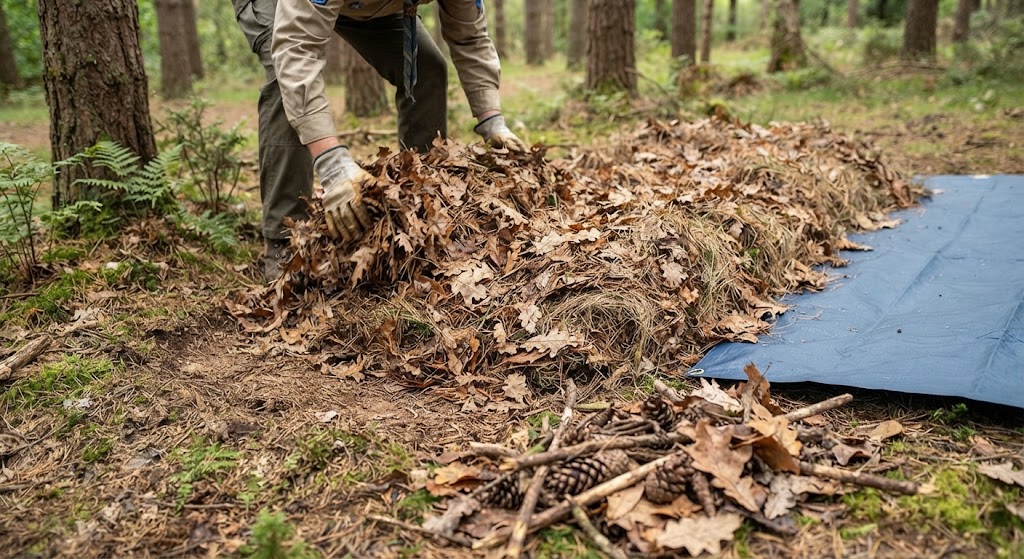
9. What If It’s Been Raining?
Rain makes fire maintenance much harder.
If your fire has gone out after heavy rain, look for suitable dry fuel protected from the weather.
You may need to rebuild the fire from the smallest material upwards.
If you’ve brought your own dry tinder and firelighters, this is where they become particularly useful.
This is one reason experienced campers protect their fire-lighting equipment from the weather.
🌧️ CAMPING TIP
Keep your tinder dry even when everything else is wet.
A waterproof pouch containing tinder and a backup ignition source can make restarting a fire much easier.
10. What If There Are Only Cold Ashes Left?
If the fire has genuinely gone completely cold, you’ll need to start again.
Treat it as a new fire.
Check:
Then rebuild the fire from the beginning.
Should You Relight It?
Not necessarily.
Before restarting, ask whether you actually need the fire.
If you’re camping and it’s:
then don’t restart it.
The fact that you had a campfire earlier doesn’t mean conditions are still suitable.
🌬️ SAFETY FIRST
A campfire going out isn’t an emergency.
Trying to restart an unsafe fire can create one.
What If the Fire Goes Out During a Scout Activity?
Tell the leader.
Don’t immediately start rebuilding the fire yourself unless you’ve been given permission and are appropriately supervised.
The leader may decide that:
Fire lighting should always follow the procedures for your activity and location.
What If You Need the Fire for Warmth?
If the fire goes out and you’re relying on it for warmth, don’t simply sit around getting colder while repeatedly trying to relight it.
Use other ways to stay warm:
A fire is only one part of staying warm outdoors.
If someone is becoming seriously cold or showing signs of hypothermia, deal with that as a first-aid priority rather than treating the fire as the only solution.
What If You Need It for Cooking?
If the fire goes out while cooking, check whether the food is still safe to eat.
Don’t assume that partially cooked food is safe simply because it was on the fire for a while.
If you have another suitable cooking method, you may be able to use that instead.
And don’t try to restart a fire underneath unstable cookware.
Stabilise the fire and cooking setup first.
What If the Fire Goes Out Overnight?
If you are camping and wake up to find the fire has gone out, ask yourself whether it needs restarting at all.
If you simply want warmth, consider using your sleeping bag and clothing instead.
If you need the fire for a planned activity, check conditions before relighting it.
And remember:
Never leave a campfire unattended.
Don’t Pour Water on a Fire You Plan to Relight
If you intend to restart the fire, don’t extinguish it completely first.
But if you’re finished with the fire, that’s exactly what you should do.
The two situations are different.
Still using the fire?
Keep it controlled and supervised.
Finished with the fire?
Extinguish it properly and make sure it is cold before leaving.
If You’re Finished With the Campfire
This is one of the most important points in the whole article.
If the fire has gone out naturally and you are finished with it, don’t simply walk away.
Treat it as though it could still be hot.
Use an appropriate amount of water to extinguish the fire, following your campsite’s procedures.
Pour water carefully over the fire and embers.
Stir the ashes and embers where appropriate.
Continue until the fire is completely cold.
Don’t leave until you’re satisfied there is no remaining heat or risk of the fire reigniting.
💧 DROWN, STIR, CHECK
A simple way to remember campfire extinguishing is:
Drown the fire with water where appropriate.
Stir the ashes and embers.
Check for remaining heat.Follow the specific fire-safety procedure for your campsite or activity.
Why Ash Can Be Dangerous
Ash can act as insulation.
Hot embers underneath can remain hidden even when the surface looks completely grey.
Wind can then expose an ember or carry it into nearby vegetation.
This is one reason campfires should always be properly extinguished.
A Simple Campfire Troubleshooting Checklist
If your fire goes out and you’re still using it, work through:
Is there still heat?
Check visually — don’t touch.
Is there enough dry fuel?
Start small.
Is there enough airflow?
Avoid smothering the embers.
Is the fuel wet?
Find suitable dry material.
Is your kindling too large?
Use smaller pieces.
Is the wind too strong?
Consider whether the fire can safely continue.
Is the fire still appropriate?
If not, extinguish it completely.
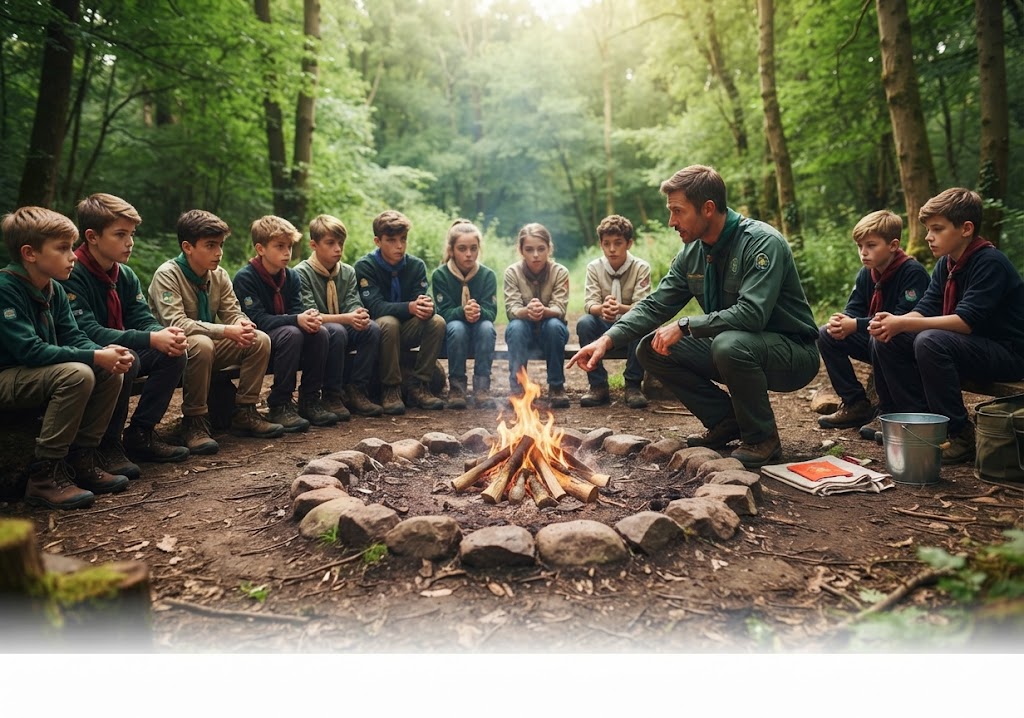
A Good Scout Activity
This can make a useful Scout fire-lighting exercise.
Set up several safe examples where a fire has been deliberately allowed to die down.
Ask Scouts to identify:
The lesson isn’t simply “make the fire bigger.”
It’s understanding:
Heat + fuel + oxygen = a sustainable fire.
Prevention: How to Stop Your Campfire Going Out
A well-maintained campfire is easier to manage.
Start with a good fire lay
Build it so air can circulate.
Use appropriate fuel
Don’t rely entirely on large logs.
Keep dry fuel available
Have your next pieces ready before the fire needs them.
Don’t overload the fire
Add fuel gradually.
Protect against excessive wind
But never create an unsafe enclosure.
Monitor the fire
Don’t leave it unattended.
🏕️ CAMPFIRE TIP
Don’t wait until your fire is almost dead before adding fuel.
Keep suitable fuel ready and add it gradually while the fire is established.
Final Thoughts
A campfire going out isn’t necessarily a problem.
If you’re still using the fire, work out why it went out and rebuild it gradually.
Check your:
Tinder.
Kindling.
Fuel.
Airflow.
Weather.
And if the conditions aren’t safe, don’t relight it.
If you’re finished with the campfire, remember that a fire that appears to be out may still contain hot embers.
Extinguish it properly and make sure it is completely cold before leaving.
🔥 THE BIG IDEA
Don’t fix a fire by simply adding more wood.
Find out why it went out.
Start small.
Use dry fuel.
Allow airflow.
Keep it controlled.
And if you’re finished — put it out properly.
🔒Ready to test your survival skills?
Join Survival Guides UK for free, complete challenges, earn badges and increase your Survival Level.
JOIN FREE →
CRAIG BURR
FOUNDER · SURVIVAL GUIDES UK
I'm Craig, the person behind Survival Guides UK. I created SGUK because I wanted somewhere people could learn real outdoor skills in a practical, straightforward way — from lighting a fire and tying knots to navigation, campcraft and everything in between.
You can read more about the story behind SGUK here as well as our approach here.