
10 Things to Check the Night Before a Walk
There’s nothing worse than getting up early, making yourself a coffee, putting on your walking clothes and heading out the door, only to discover that you’ve forgotten something important.
Perhaps your phone isn’t charged, your waterproof jacket is still drying, or you haven’t actually checked how long your chosen route takes.
These might sound like small problems, but they can quickly turn an enjoyable day outdoors into a frustrating one.
The good news is that most of them are easily avoided with a little preparation the evening before.
Whether you’re planning a short countryside walk, a full-day hike through the mountains or an adventure somewhere unfamiliar, spending 15–20 minutes getting organised can make a real difference.
Here are ten things worth checking before you go to bed, so you can wake up ready to enjoy the outdoors rather than rushing around looking for your missing equipment.
1. Check the Weather Forecast
This should be one of the first things you do.
A walk that looks straightforward on a sunny afternoon can become considerably more challenging when rain, strong winds, extreme heat or poor visibility enter the picture.
Checking the forecast the night before gives you time to adjust your clothing, equipment and even your route.
Don’t just look at the temperature. Pay attention to:
- Expected rainfall and the likelihood of thunderstorms.
- Wind speed and direction.
- Temperature throughout the time you’ll be outdoors.
- Visibility and any fog warnings.
- Heat, cold or severe weather alerts.
- Sunrise and sunset times.
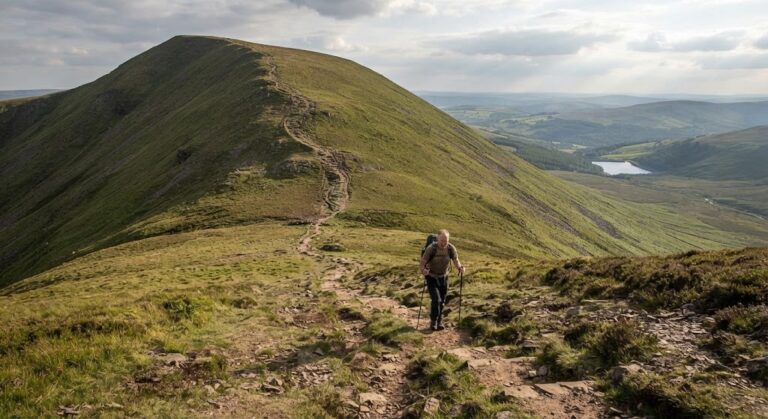
Remember that conditions can change considerably with elevation. A pleasant temperature in a valley doesn’t necessarily mean the same conditions will exist on an exposed mountain ridge.
If you’re walking somewhere remote or mountainous, check an appropriate local mountain weather forecast where available.
Also remember that forecasts aren’t guarantees. Check again before leaving, particularly if severe weather is possible.
A useful habit: Put your waterproofs, warm layers, sun protection or other weather-dependent equipment somewhere accessible once you’ve checked the forecast.
2. Check Your Route and Distance
It’s easy to assume you remember a route perfectly, especially if you’ve walked it before.
But have you checked the actual distance, elevation and expected walking time?
A route that looks short on a map might involve steep climbs, uneven ground, river crossings or difficult terrain that considerably increases the time required.
Spend a few minutes looking over your planned route.
Consider whether:
- The distance is suitable for your current fitness.
- There are significant climbs or descents.
- The paths are accessible and in suitable condition.
- There are alternative routes if you need to shorten the walk.
- There are any closures or restrictions.
- You’ll have enough daylight to complete it safely.
If you’re visiting somewhere unfamiliar, identify a few recognisable landmarks and places where you can stop.
It’s also worth checking whether the route crosses private land or protected areas with access restrictions.
Don’t rely entirely on an estimated walking time from a navigation app. Your pace, weather, terrain and the number of breaks you take will all make a difference.
Pure Bushcraft tip: Save an offline copy of your route if you’re using a phone for navigation. Mobile coverage isn’t guaranteed everywhere, and a downloaded map can be extremely useful.
3. Check Your Footwear
Your feet are going to do most of the work tomorrow, so give them a little attention tonight.
The last thing you want is to discover halfway along a trail that your boots are uncomfortable, your laces are damaged or your socks are still damp from your previous adventure.
Check your footwear for:
- Loose or damaged laces.
- Worn or separating soles.
- Stones, mud or debris trapped in the tread.
- Any obvious damage or uncomfortable areas.
- Whether your footwear is suitable for the expected terrain.
If you’ve been caught in rain or walked through muddy conditions recently, make sure your footwear has had time to dry properly.
Lay out a suitable pair of walking socks, too. If you’re expecting a particularly long walk, consider taking a spare pair.
If you’re using new footwear, remember that checking it the night before isn’t a substitute for breaking it in. Avoid taking untested boots on a demanding walk.
One small detail worth remembering: Trimmed toenails can help prevent discomfort on long descents, where your toes may repeatedly press against the front of your footwear.
4. Charge Your Phone and Other Devices
It’s easy to forget about charging equipment until you actually need it.
Your phone might be your main navigation device, camera and emergency communication tool, so leaving home with 12% battery isn’t a particularly good plan.
Before going to bed, check the charge on:
- Your mobile phone.
- Your GPS device, if you use one.
- Your smartwatch.
- Your headtorch or rechargeable lighting.
- Your power bank.
Make sure you have any charging cables you need and that your power bank actually holds a charge.
If you’re using your phone for navigation, consider downloading maps in advance and checking that they work offline.
You can also reduce unnecessary battery consumption by lowering screen brightness, closing power-hungry applications and using battery-saving settings where appropriate.
However, don’t rely on a phone as your only means of navigation or emergency preparation. Carry suitable backup equipment for the route you’re undertaking.
5. Prepare Your Food and Water
Food is one of those things that’s easy to leave until the morning.
You might think you’ll make a sandwich before leaving, grab something from the cupboard and fill a water bottle on your way out.
But when you’re running late, these are often the first things forgotten.
Prepare as much as possible the evening before.
Depending on the length and difficulty of your walk, consider packing:
- A substantial lunch.
- Easy-to-carry snacks.
- Enough drinking water for the planned conditions.
- Electrolyte supplies where appropriate.
- Additional food in case your return is delayed.
Think about the weather, too. Food that travels well in cool conditions might not be suitable for a hot day if it requires refrigeration.
Work out your water requirements rather than relying on a fixed amount for every walk. Heat, humidity, exertion, duration and access to safe drinking water all matter.
If you’re planning to refill from natural water sources, make sure you have an appropriate treatment method and know how to use it.
Put your food somewhere accessible in your backpack. There’s little point having snacks if you have to unpack everything to reach them.
6. Lay Out Your Clothing
Choosing your clothing in the morning can become a rushed decision, particularly if the weather is different from what you expected.
Instead, decide what you’re going to wear before going to bed.
Think about the conditions you’ll encounter throughout the walk, not just the temperature when you leave home.
Layering is a practical approach because it allows you to adjust your clothing as your body temperature changes.
Your clothing might include:
- A comfortable base layer.
- A suitable mid-layer for warmth.
- An outer layer that protects against wind and rain.
- Appropriate walking trousers or shorts.
- Suitable socks.
- A hat, gloves or sun protection depending on conditions.
Make sure everything is clean, dry and ready to wear.
It’s also worth putting spare clothing into a waterproof bag inside your backpack. Even if your backpack claims to be waterproof, prolonged rain can eventually find its way inside many packs.
One thing people sometimes overlook is what they’ll wear after the walk. Having a dry change of clothing waiting in your vehicle or accommodation can be particularly welcome after a wet or muddy adventure.
7. Check Your First Aid Kit and Emergency Equipment
Hopefully, you won’t need your first aid kit tomorrow.
But checking it tonight is much better than discovering that something important is missing when you actually need it.
Open your kit and check that the contents are appropriate for your route and group.
Pay particular attention to:
- Plasters and blister dressings.
- Sterile dressings and bandages.
- Medical tape.
- Antiseptic wipes where appropriate.
- Any personal medication you require.
- Gloves and other suitable protective supplies.
Check expiry dates where applicable and replace anything you’ve used or damaged.
Depending on the environment, your experience and the nature of your trip, additional equipment may be appropriate.
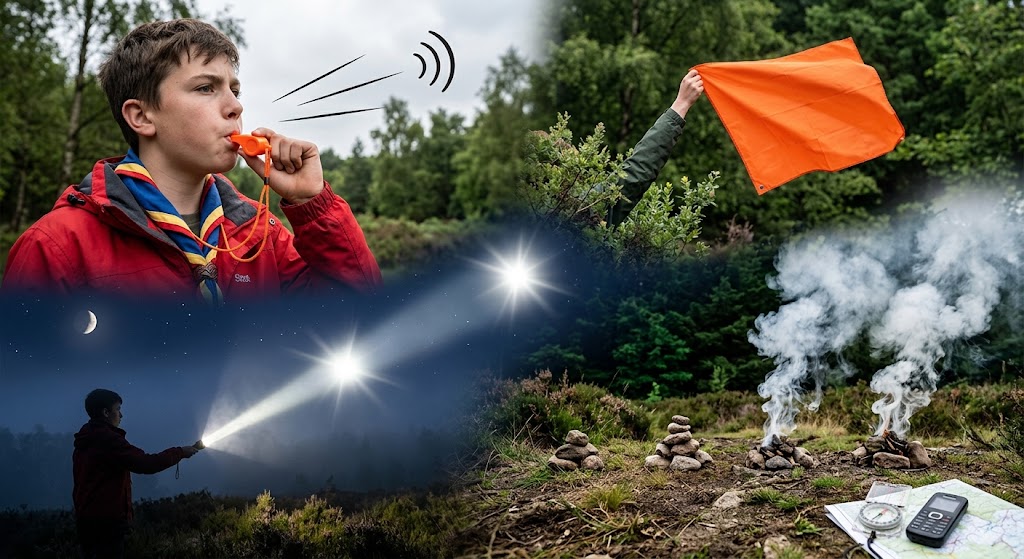
For longer or more remote walks, consider carrying an emergency shelter, whistle, headtorch and suitable insulation.
If you’re walking somewhere with limited mobile coverage, investigate whether a satellite messenger or another reliable emergency communication device would be sensible.
It’s also worth making sure you understand how to use the equipment you’re carrying. Having a first aid kit is useful, but knowing what to do with its contents is even better.
8. Check Your Navigation Equipment
Even if you’ve walked the route before, check your navigation equipment before leaving.
A phone app can make navigation easier, but batteries fail, devices get damaged and signals aren’t always available.
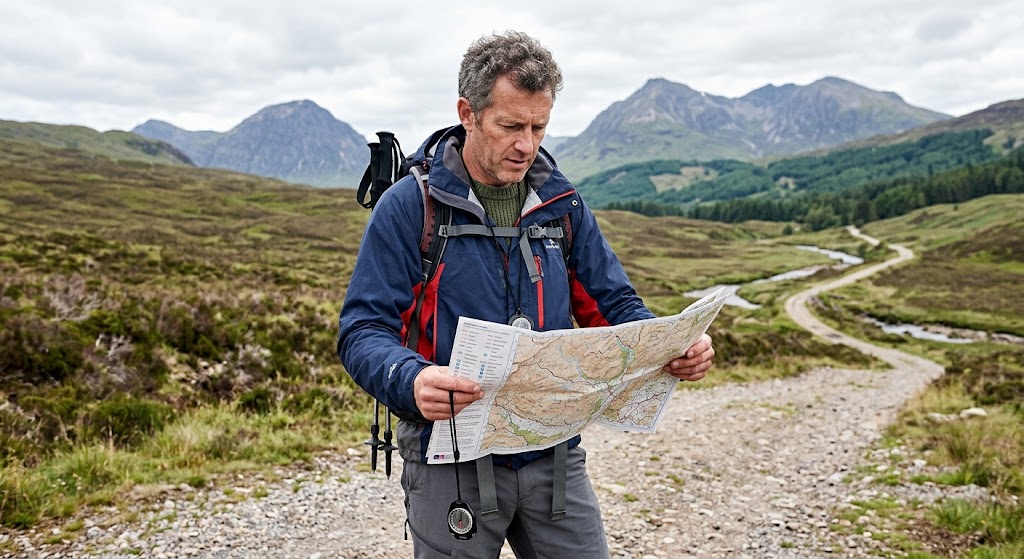
Depending on your route, your navigation equipment might include:
- A suitable paper map.
- A compass.
- A GPS device.
- An offline navigation application.
- A written note of important route information.
If you’re carrying a paper map, make sure it’s the correct map and covers the entire area you intend to visit.
Check that you understand the route rather than simply planning to follow a line on a screen.
Pay attention to junctions, major landmarks, contour lines and alternative routes.
If you’re walking in unfamiliar terrain, take a few minutes to identify where you might need to change direction.
And remember, navigation equipment is only useful if you know how to use it. If you’re not confident with a map and compass, practising those skills on familiar ground is a worthwhile investment.
9. Tell Someone Your Plans
This is a particularly important check if you’re walking alone or heading somewhere remote.
Before going to bed, make sure somebody knows where you’re going.
Share your intended route, approximate start time and expected return time. If possible, agree on when they should expect to hear from you.
If your plans change, update them.
For longer or more challenging walks, provide additional details about alternative routes and where you intend to stop.
It’s also sensible to establish what they should do if you fail to return or make contact as agreed.
Don’t assume that because you have a phone, someone will automatically know where to look if something goes wrong.
Good communication is part of responsible outdoor preparation, whether you’re walking alone, with friends or as part of a group.
10. Pack Your Backpack and Do One Final Check
This is where everything comes together.
Rather than throwing equipment into your backpack in the morning, pack it the night before.
Start with the heavier items and position them sensibly, keeping frequently needed equipment somewhere accessible.
Make sure your waterproof jacket, snacks, water, map and first aid kit aren’t buried beneath everything else.
Check that any food is packed securely and that liquids are properly sealed.
Once everything is packed, put your backpack somewhere you’ll see it when you leave.
I also recommend doing one final check against your route and the weather forecast.
Ask yourself:
- Have I packed everything I actually need?
- Is anything missing, damaged or unsuitable?
- Is my backpack comfortable when worn?
- Can I reach essential equipment quickly?
- Have I allowed enough time to get home before dark?
Don’t forget the little things either. Keys, wallet, identification and any necessary access permits can be just as important as your outdoor equipment.
Once you’ve done this, there’s no reason to spend the morning rushing around.
You can have breakfast, get dressed, pick up your backpack and enjoy the start of your adventure.
A Simple 15-Minute Night-Before Preparation Routine
If you don’t want preparation to become another complicated task, try following the same routine before every walk.
|
Time |
Task |
|---|---|
|
2 minutes |
Check the forecast and any warnings |
|
2 minutes |
Review your route and expected duration |
|
3 minutes |
Check footwear and lay out clothing |
|
3 minutes |
Prepare food and water |
|
2 minutes |
Charge and check electronic equipment |
|
3 minutes |
Check your first aid kit, pack and emergency supplies |
You can adjust the timings depending on the complexity of your trip. A remote mountain hike will naturally require more preparation than a short walk around a familiar local trail.
The important thing is to develop a consistent routine.
After a while, these checks will become second nature.
Common Questions About Preparing for a Walk
Should I check the weather again in the morning?
Yes. Forecasts can change overnight, particularly when unsettled weather is expected. Check again before leaving and be prepared to change your plans if conditions become unsuitable.
How early should I prepare for a long walk?
For a straightforward day walk, preparing the evening before is usually sufficient. For longer, remote or technically demanding routes, you should start planning several days ahead, allowing time to research the route, check equipment and arrange any necessary permits or transport.
Should I pack my backpack the night before?
Yes, wherever practical. It reduces the chance of forgetting essential equipment and gives you time to check that everything fits comfortably. Just remember to add any items that need to stay refrigerated or filled immediately before departure.
What is the most important thing to check before a walk?
There isn’t one answer for every situation, but weather, route suitability, navigation and essential equipment are particularly important. These checks help you understand the conditions you’re entering and whether you’re properly prepared.
Is it safe to walk alone?
Many people enjoy walking alone, but it requires sensible preparation. Choose a route appropriate to your experience, tell someone your plans, carry suitable equipment and have a realistic way of dealing with unexpected problems.
Make Preparation Part of Your Outdoor Skills
It’s easy to think that bushcraft and outdoor skills begin when you arrive in the woods, on the trail or at your campsite.
In reality, some of the most important decisions happen before you leave home.
Knowing how to assess the weather, plan a route, organise equipment and prepare for unexpected situations are all valuable skills that become more important as your adventures become longer and more challenging.
You don’t need to spend hours preparing for every walk. You simply need to develop good habits and understand why those small checks matter.
So, the next time you’re planning to head outdoors, give yourself 15–20 minutes the evening before.
Your future self, standing at the start of the trail with everything ready, will thank you for it.
Prepare tonight. Enjoy tomorrow.
Continue learning with Pure Bushcraft: Explore our walking, navigation and outdoor skills guides, and put what you’ve learned into practice through our community challenges.
🔒Ready to test your survival skills?
Join Pure Bushcraft for free, complete challenges, earn badges and increase your Survival Level.
JOIN FREE →
CRAIG BURR
FOUNDER · PURE BUSHCRAFT
I'm Craig, the person behind Pure Bushcraft. I created Pure Bushcraft because I wanted somewhere people could learn real outdoor skills in a practical, straightforward way — from lighting a fire and tying knots to navigation, campcraft and everything in between.
You can read more about the story behind Pure Bushcraft here as well as our approach here.