
LATEST OUTDOOR GUIDES
Keep up to date with the latest guides, activities and resources from Pure Bushcraft. Explore new articles covering outdoor skills, survival, Scout activities, camping, navigation, knots, fire safety and practical skills.
Our latest posts are designed to help Scouts, youth groups, leaders and anyone interested in outdoor learning develop practical knowledge and confidence. From new activity ideas and survival skills to useful how-to guides, check back regularly for the latest resources.
-
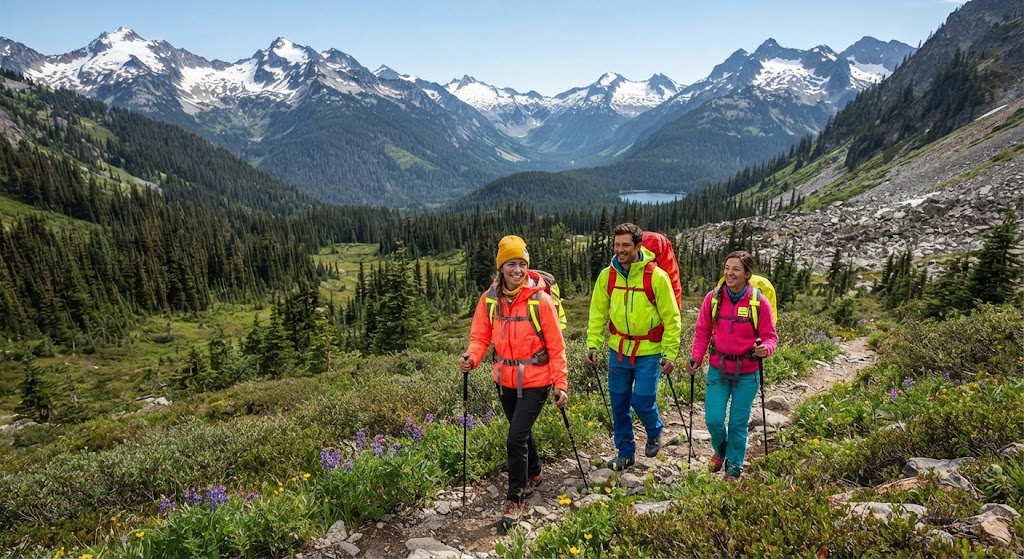
How to Use Bright Colours to Help Rescuers Find You
If you need to be found outdoors, making yourself easy to see can make a huge difference. Bright colours can stand out against grass, woodland, rocks, snow and other natural backgrounds, giving rescuers another clue to your location. This is one of the simplest signalling techniques because you may already be wearing or carrying something…
-

How to Register for Emergency SMS
If you are somewhere with a mobile signal but cannot make a voice call to the emergency services, the UK’s Emergency SMS service can provide another way to contact 999. It can be particularly useful for people who are deaf, hard of hearing or have a speech impairment, but it can also provide an alternative…
-
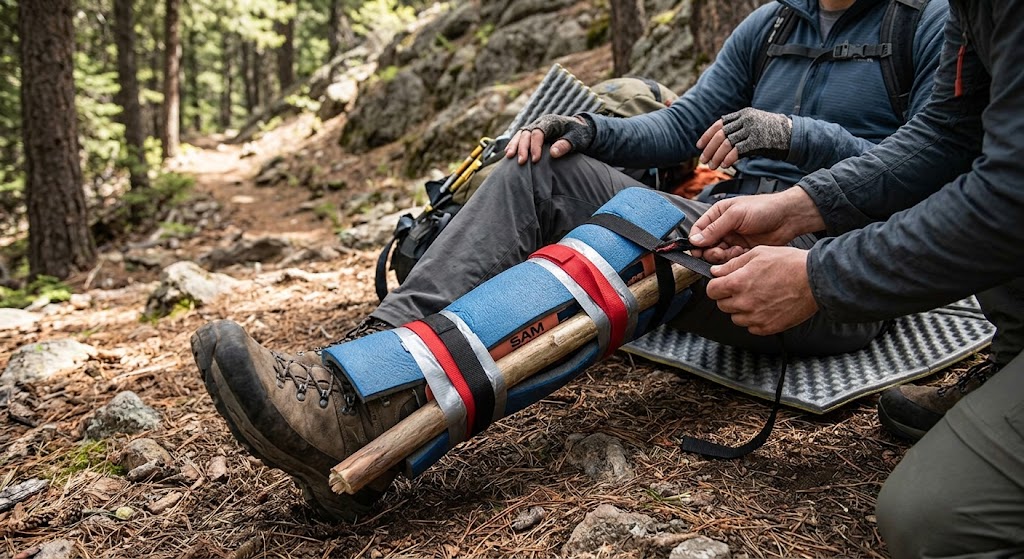
How to Make an Improvised Splint
An improvised splint can be useful when someone has suffered a serious limb injury and you need to support the injured area while waiting for medical help. Outdoors, you may not have a proper splint available, but you can often find suitable materials in a rucksack or around your camp. The purpose is not to…
-
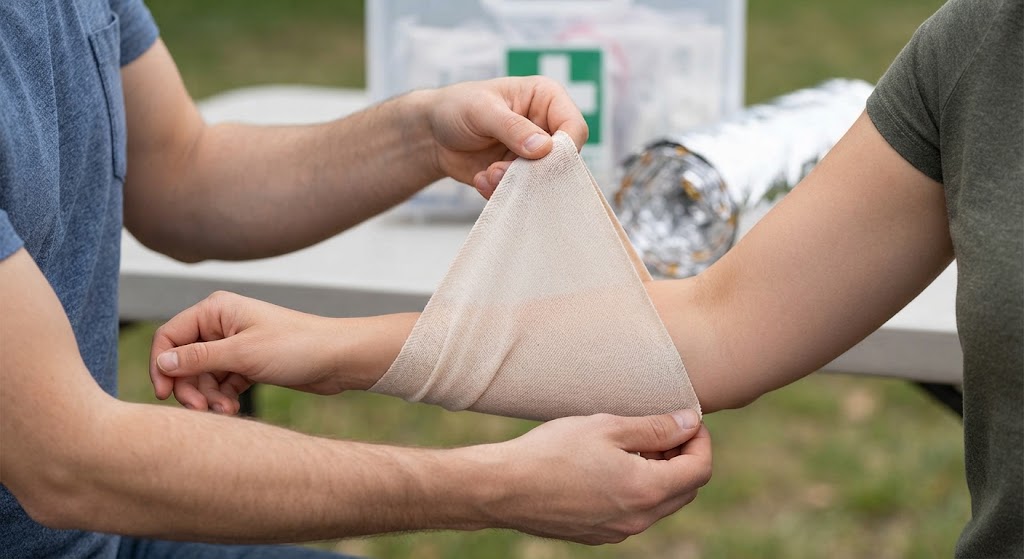
How to Treat Sprains and Strains
Sprains and strains are common outdoor injuries. A slip on a muddy path, an awkward landing, a twisted ankle or simply pushing a muscle too hard can leave someone in pain and unable to carry on normally. A sprain affects a ligament, which is the strong tissue connecting bones around a joint. A strain affects…
-
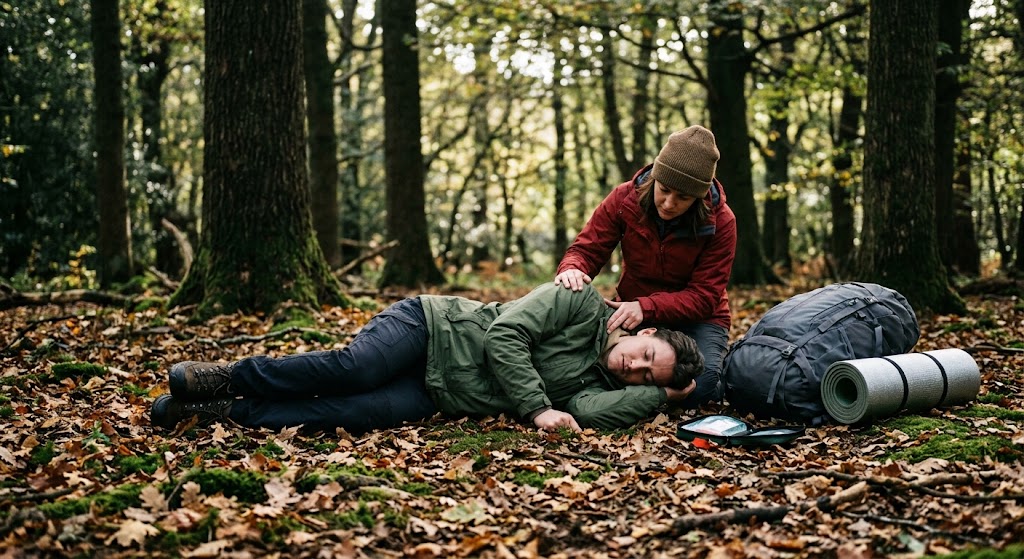
How to Use the Recovery Position
The recovery position is used when someone is unconscious or has a reduced level of responsiveness but is breathing normally. Placing them on their side can help keep their airway open and allows fluids such as saliva or vomit to drain away rather than blocking the airway. It is a useful first-aid skill to know,…
-
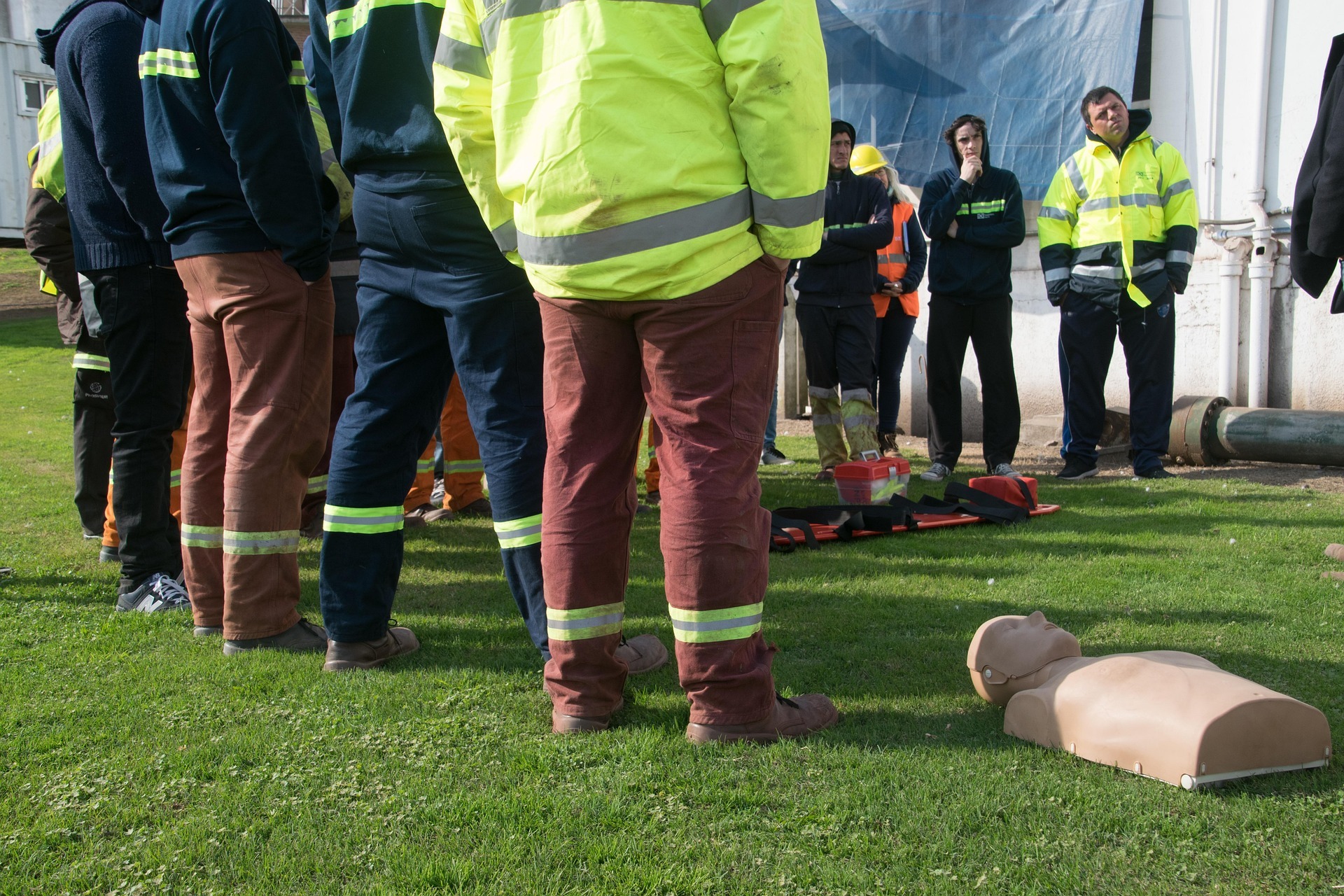
How to Do CPR
CPR, or cardiopulmonary resuscitation, is an emergency first-aid skill used when someone is unresponsive and not breathing normally. It helps keep blood moving around the body while you wait for professional medical help to arrive. Emergency Disclaimer This article is for general first-aid education and is not a substitute for recognised practical first-aid training or…
-
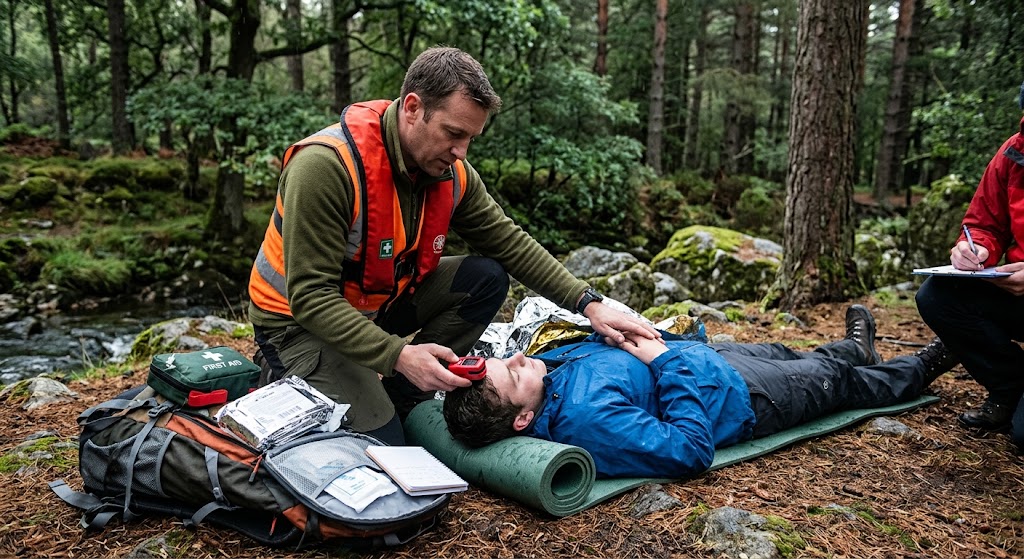
How to Check for Danger and Assess a Casualty
When someone is injured or becomes unwell outdoors, your first instinct may be to rush straight over and help. That is understandable, but the first thing you need to do is stop and check that the situation is safe. A casualty who needs help is already in a difficult situation, but rushing into danger can…
-
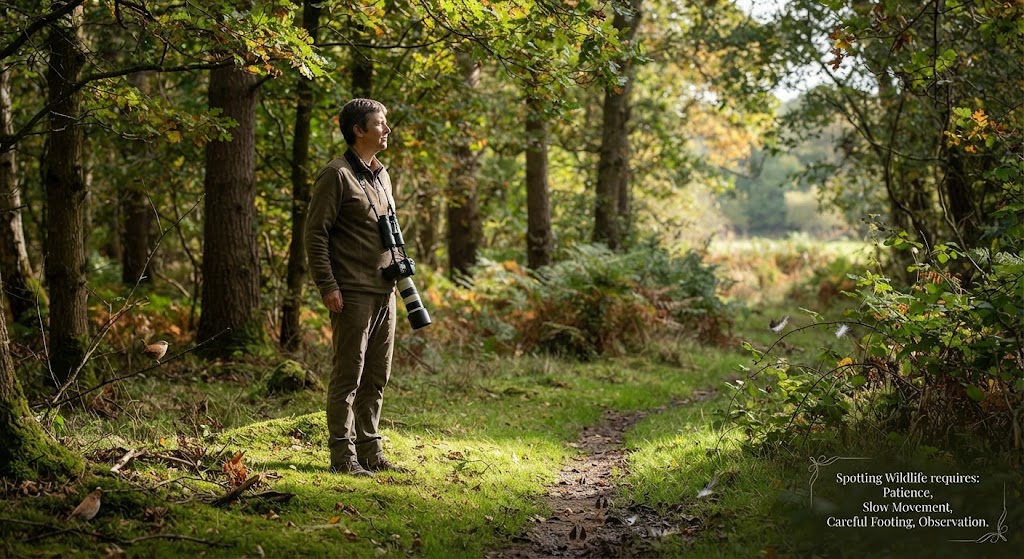
How to Use Handrails and Catching Features
When you’re navigating outdoors, you don’t always need to follow an exact bearing from one point to another. Sometimes it is easier and safer to use features that are already in the landscape to guide you. Two particularly useful navigation techniques are handrails and catching features. They are simple ideas, but they can make navigation…
-
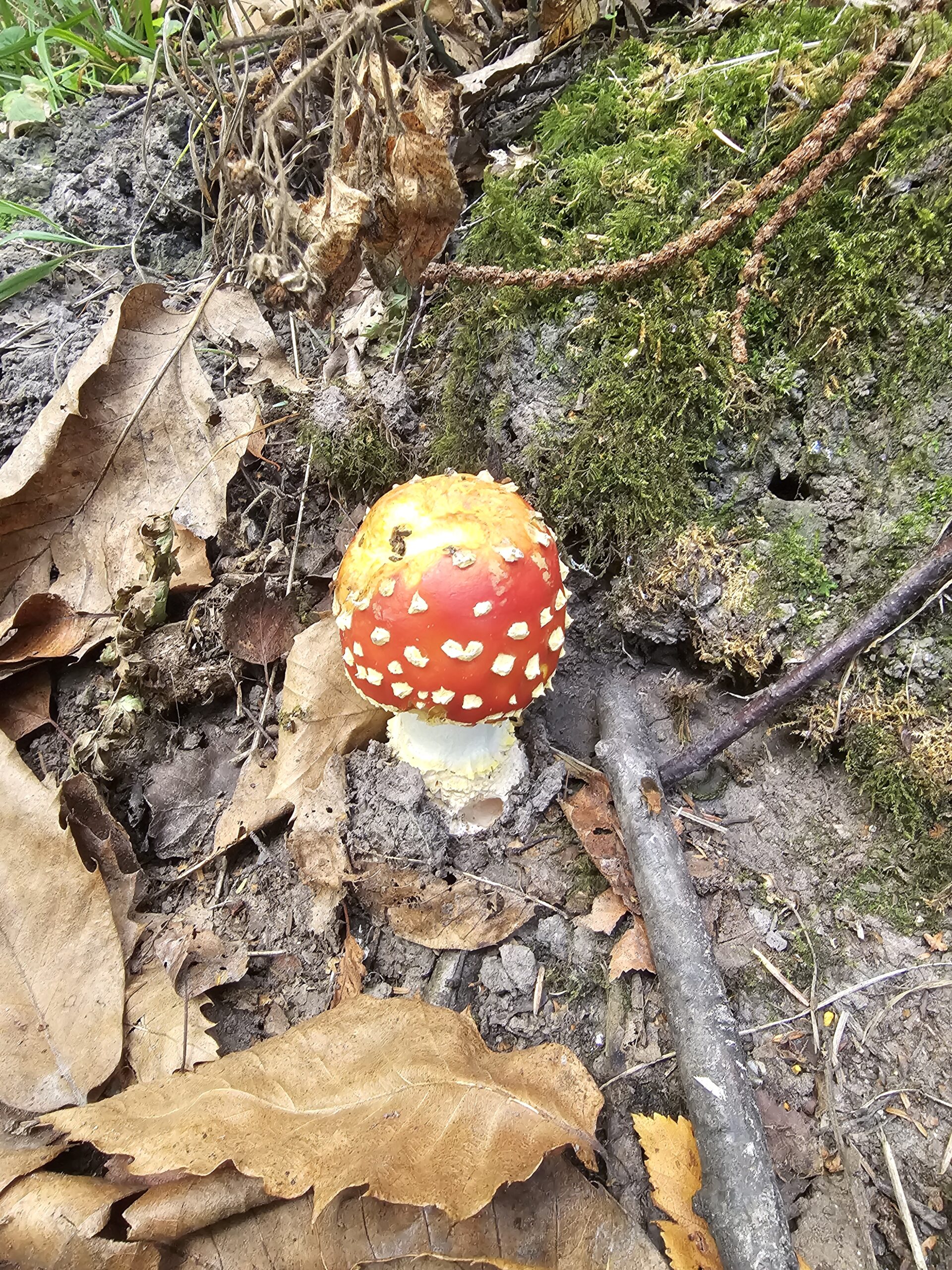
How to Avoid Poisonous Plants and Fungi
There is a big difference between recognising a plant or fungus and knowing that it is safe to eat. When you’re learning to forage, the safest habit you can develop is being comfortable leaving something alone when you cannot identify it with certainty. Some poisonous species are surprisingly common, and some can look very similar…
-
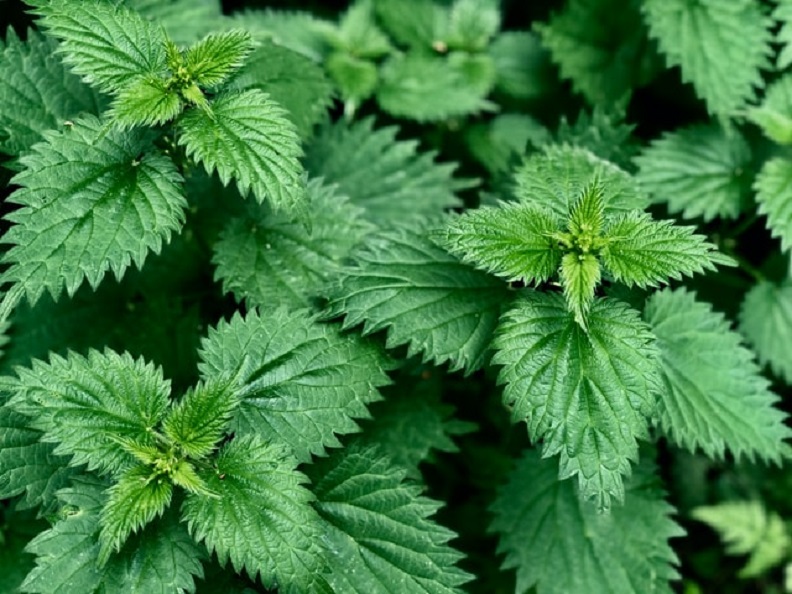
How to Forage Common Safe Plants
Foraging can be a great way to learn more about the plants around you, but the most important skill is not knowing how many wild foods you can eat. It is knowing when you have identified something confidently enough to eat it — and when you haven’t. There are edible plants growing in many familiar…
Explore Pure Bushcraft
Looking for something specific? Explore our activity plans for practical outdoor sessions, take on our survival challenges, or browse our badges to discover new skills and achievements to work towards.
Whether you’re looking for Scout activities, survival skills, camping ideas, navigation resources or practical outdoor learning, explore the rest of Pure Bushcraft to find your next challenge.