Choosing a Safe Campfire Cooking Area
Campfire cooking needs more planning than simply finding a place to sit beside a fire.
The cooking area needs to give everyone enough space to work safely while keeping food, equipment and people away from unnecessary hazards.
Before lighting or using a campfire, choose and prepare the cooking area carefully.
Check the Site Rules
Before doing anything else, check whether campfires and campfire cooking are permitted.
Some campsites have designated fire areas, while others may prohibit open fires completely.
Always follow the rules of the site and any instructions from your Scout leader.
Use a Designated Fire Area
Where one is provided, use the designated campfire area.
Don’t create a new fire site unnecessarily.
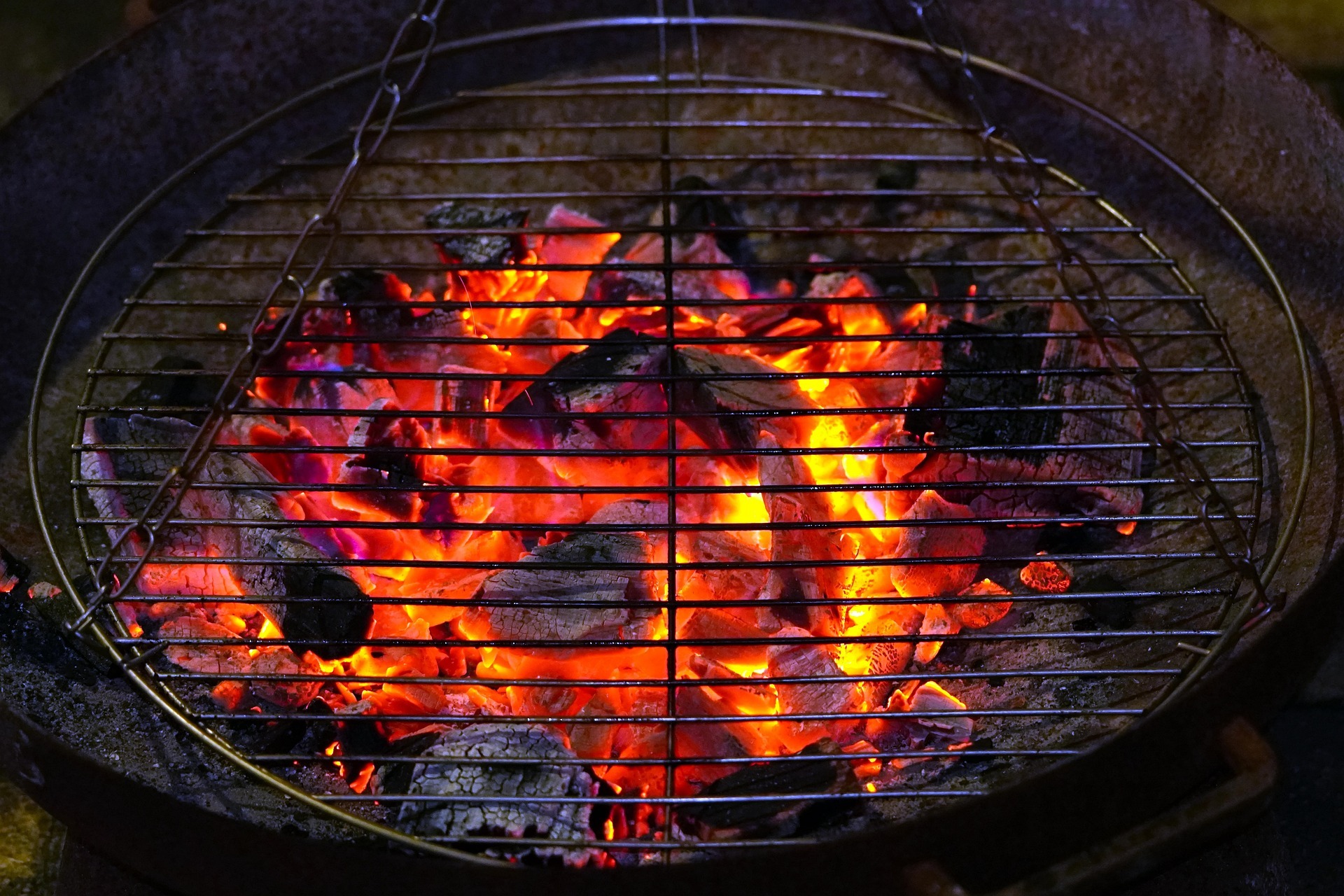
A suitable fire area should provide a stable surface and enough room to arrange the fire and cooking equipment safely.
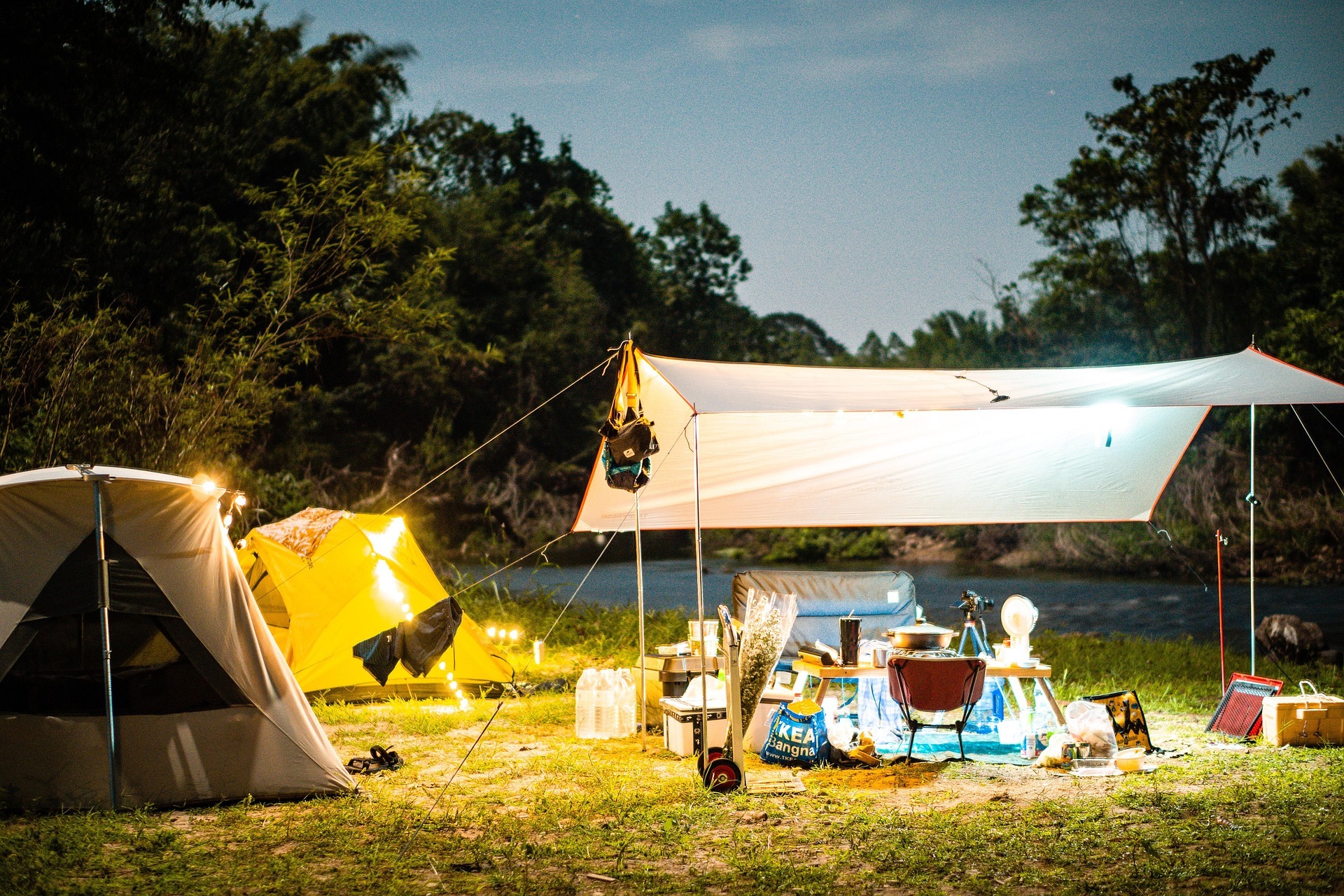
Keep Away From Tents
Campfires and cooking fires should be kept well away from tents, shelters, clothing and other combustible materials.
Never move a campfire closer to tents because it is convenient.
The exact separation distance should follow the site’s rules, the equipment manufacturer’s instructions and the activity’s risk assessment.
Check Above the Fire
Look above the proposed cooking area before setting up.
Check for:
Don’t position a fire beneath low branches or other combustible objects.
Check the Ground
The ground around the fire should be stable and suitable for the activity.
Avoid locations with excessive dry vegetation or other materials that could easily catch fire.
Keep the immediate area clear of unnecessary equipment.
Consider Wind
Wind can change how a fire behaves and where smoke travels.
A location that seems suitable in calm weather may become unsuitable when conditions change.
Think about where smoke and sparks could travel before starting.
If conditions are too windy, don’t light or continue using the fire.
Keep a Clear Working Area
Everyone cooking needs enough space to move without bumping into other people.
Keep bags, spare equipment and other unnecessary items away from the cooking area.
This reduces trips and makes it easier to respond if something goes wrong.
Position Cooking Equipment Carefully
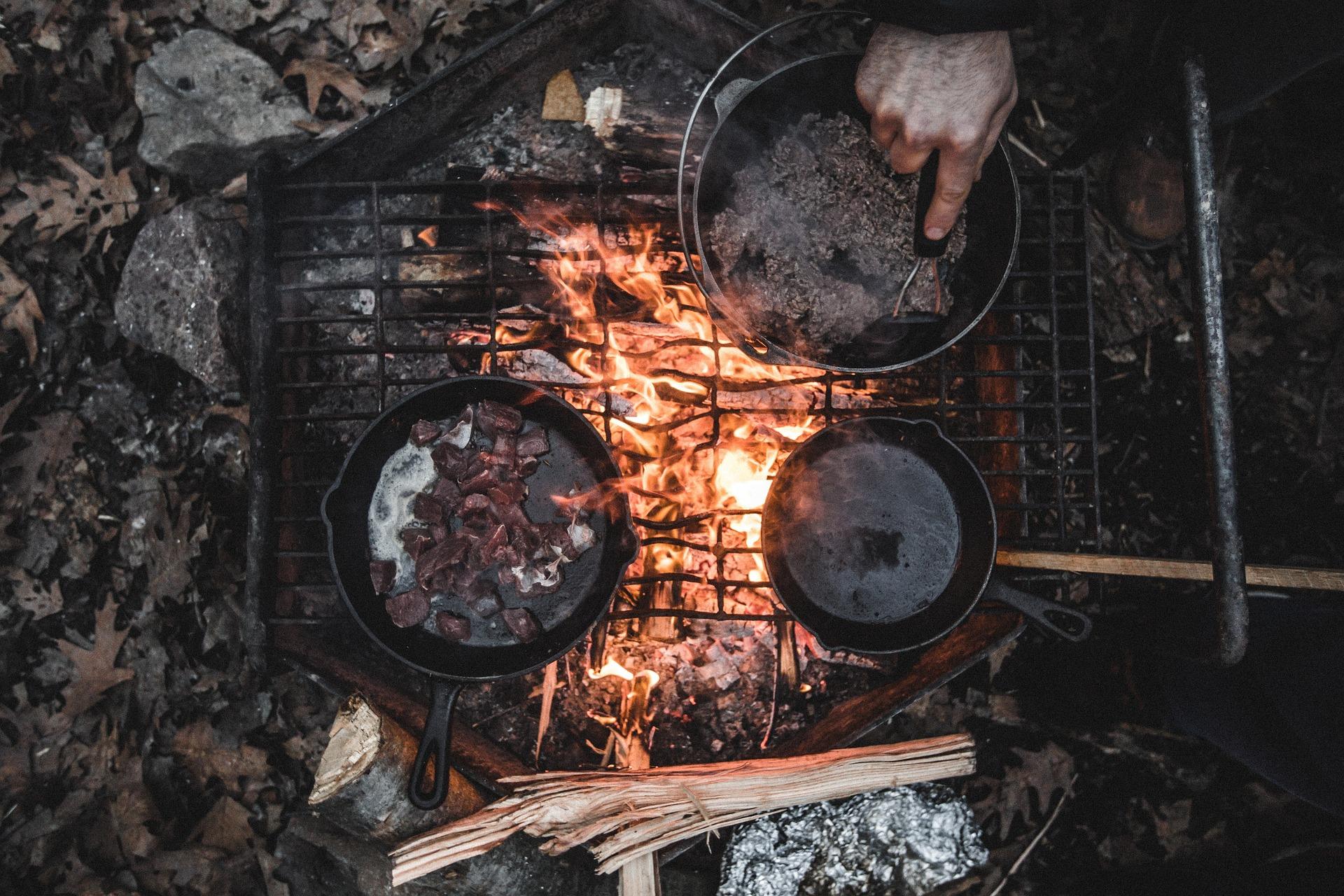
Cooking equipment should sit securely and be appropriate for the fire and cooking method.
Pots, pans, grills and other equipment should not be positioned where they can easily be knocked over.
Check stability before putting food or hot liquids onto equipment.
Keep People at a Safe Distance
Not everyone needs to stand next to the fire.
Establish a sensible boundary around the cooking area and make sure Scouts understand where they can and cannot stand.
Only those involved in the cooking should be close enough to handle the equipment.
Keep Water and Safety Equipment Accessible
Appropriate fire-safety equipment should be available according to the activity plan and site arrangements.
Don’t place it so close to the fire that it becomes inaccessible if the fire grows unexpectedly.
Everyone involved should know where the relevant safety equipment is.
Think About Smoke
Smoke can make cooking uncomfortable and can affect people with breathing difficulties.
Position the cooking area so that smoke isn’t being directed towards tents or areas where people are gathering.
If wind direction changes, be prepared to adjust the activity.
Keep Food Preparation Separate
Raw food preparation should take place away from the immediate fire area where practical.
This helps prevent food contamination and gives Scouts enough room to work.
Keep food protected from ash, smoke and dirt.
Plan Where Hot Equipment Will Go
Think about where hot pots, pans and other equipment will be placed when they’re removed from the fire.
Don’t put hot equipment somewhere that another Scout could accidentally touch it.
Use suitable heat-resistant surfaces or designated areas where appropriate.
Don’t Leave the Fire Unattended
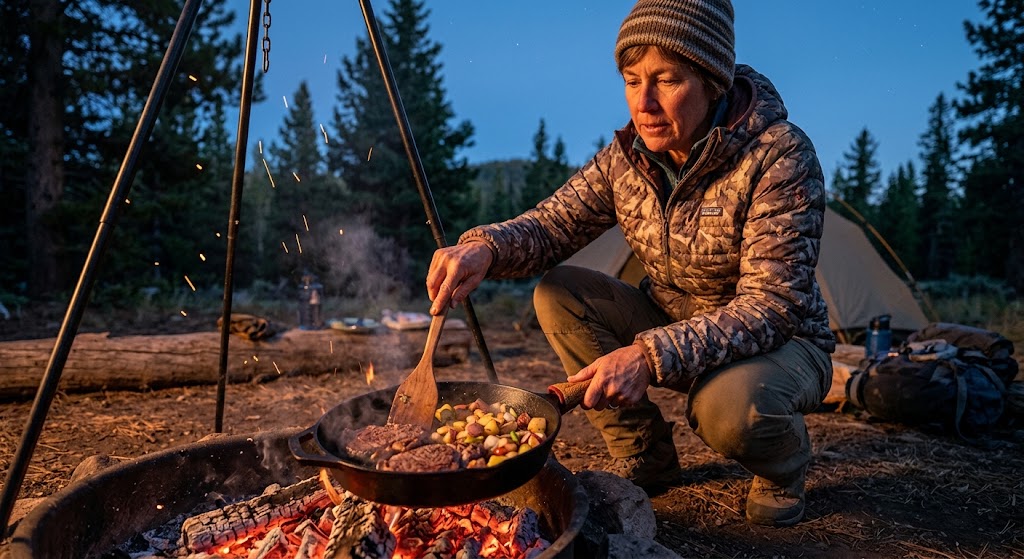
A campfire used for cooking should remain appropriately supervised.
Don’t leave it burning while everyone goes somewhere else.
If cooking stops, follow the activity’s procedures for safely managing the fire.
Check Conditions Before Starting
A quick check before lighting the fire can identify problems that weren’t obvious during planning.
Consider:
If conditions have changed, change the plan too.
Younger Scouts
Younger Scouts should have clear boundaries around the cooking area.
They can take part in suitable tasks under appropriate supervision, but shouldn’t be allowed to approach or handle hot equipment without instruction and supervision.
Older Scouts
Older Scouts can help assess the proposed cooking area.
Ask them to identify potential hazards and explain why the chosen location is suitable.
This turns setting up campfire cooking into a practical risk-awareness exercise.
Leader Notes
The cooking location should form part of the activity’s planning and risk assessment.
Consider the fire itself, cooking equipment, weather, participants, nearby combustible materials and emergency arrangements.
Don’t rely solely on a traditional fire circle being suitable for every cooking activity.
Safety
Only light campfires where they are permitted.
Use designated fire areas where available.
Keep fires away from tents, shelters and combustible materials.
Check overhead and surrounding hazards.
Don’t use a fire in unsuitable wind conditions.
Keep the cooking area supervised.
Make sure appropriate fire-safety arrangements are in place.
Never leave a cooking fire unattended.
Learning Outcomes
Scouts can learn to:
Final Thought for Scouts
A good campfire cooking session starts before the fire is lit.
Choose the location carefully, organise your equipment and make sure everyone knows how the area will be used.
A well-planned cooking area makes the whole activity safer and easier.
🔒Ready to test your survival skills?
Join Survival Guides UK for free, complete challenges, earn badges and increase your Survival Level.
JOIN FREE →
CRAIG BURR
FOUNDER · SURVIVAL GUIDES UK
I'm Craig, the person behind Survival Guides UK. I created SGUK because I wanted somewhere people could learn real outdoor skills in a practical, straightforward way — from lighting a fire and tying knots to navigation, campcraft and everything in between.
You can read more about the story behind SGUK here as well as our approach here.