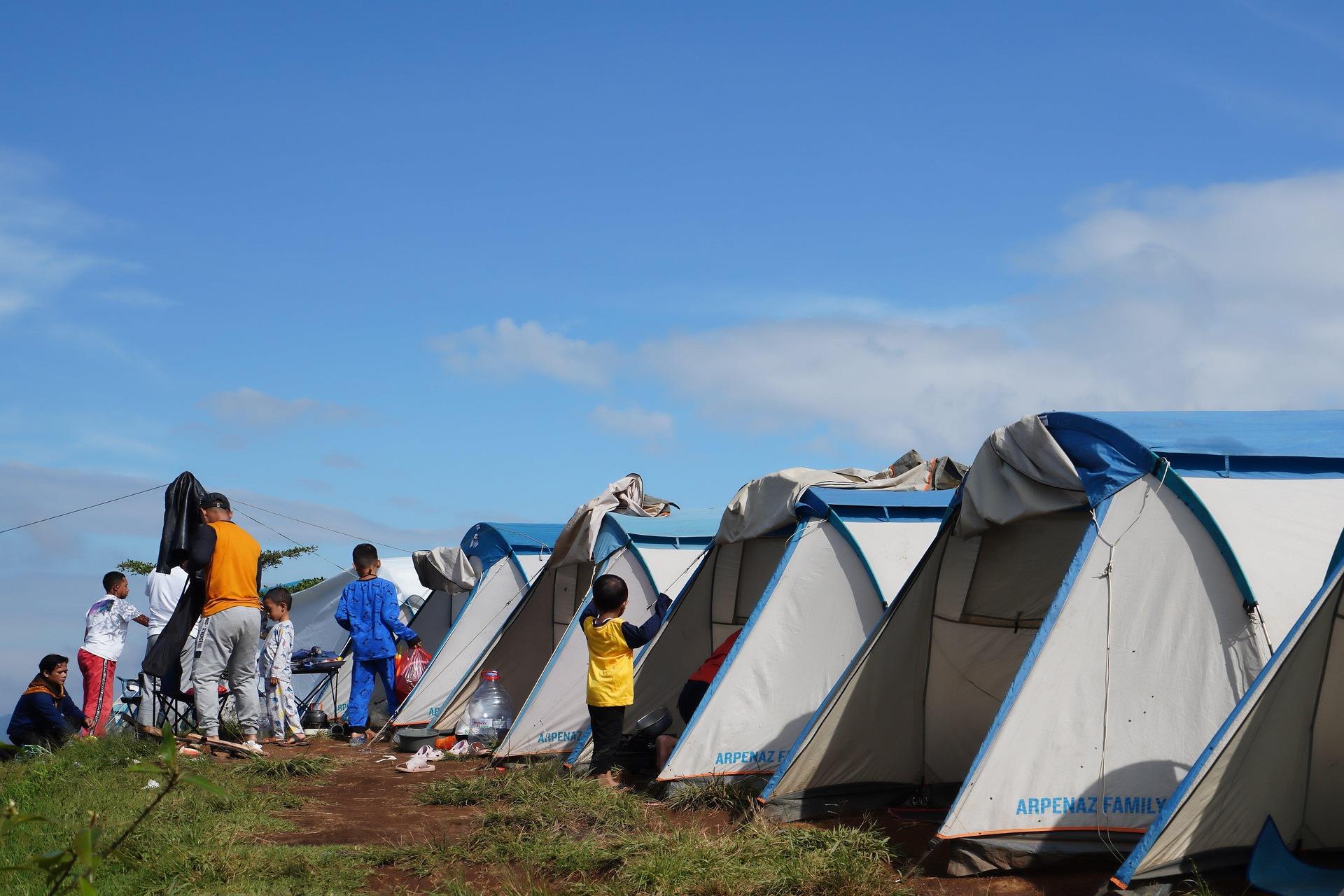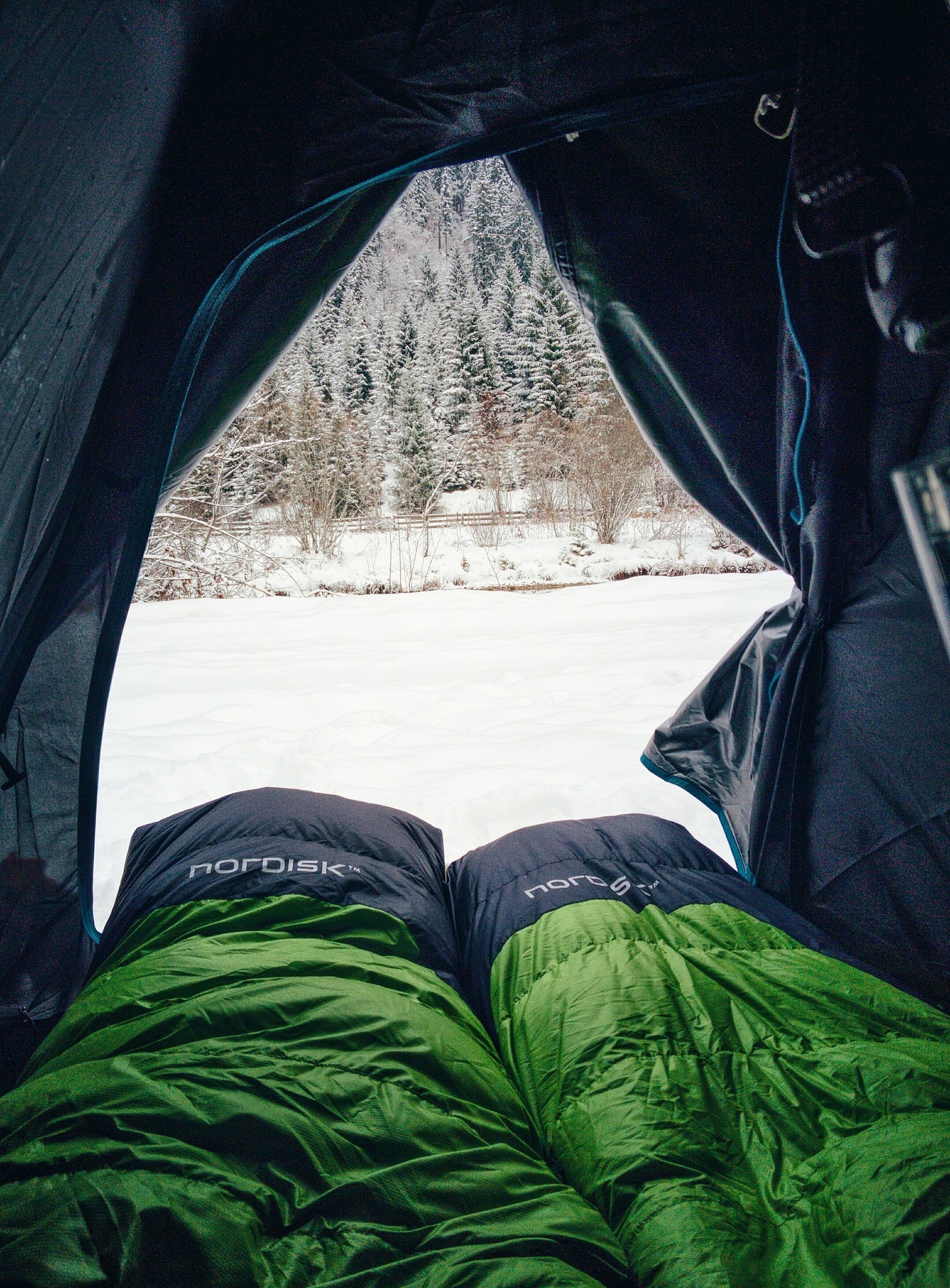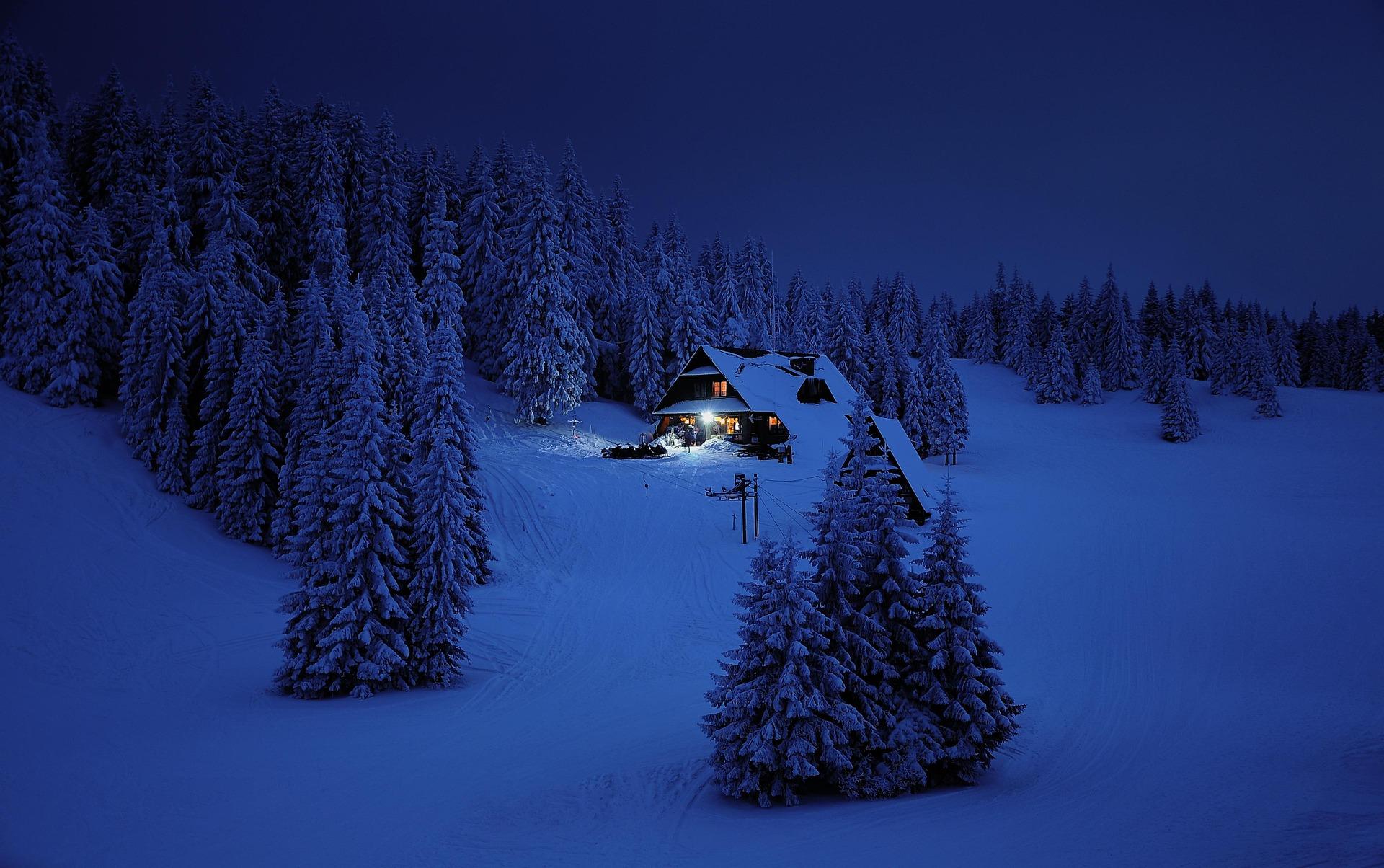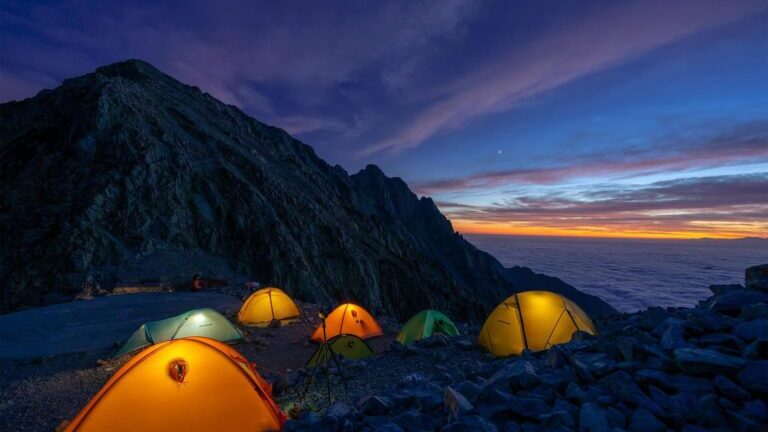
Camping Mistakes Beginners Make
⚠️ SAFETY FIRST
Camping involves sleeping outdoors, cooking, handling equipment and dealing with changing weather. Always follow campsite rules, fire-safety guidance and the instructions of your activity leader.
Check the weather before setting out and make sure your equipment is suitable for the conditions you’re likely to encounter.
Your first camping trip can be exciting.
There’s something special about carrying everything you need on your back, putting up your tent and spending the night outdoors.
But camping has a learning curve.
Some mistakes are simply inconvenient. You forget the snacks and end up hungry.
Others can make the experience genuinely unpleasant. You get soaked, can’t sleep because you’re freezing, or discover at midnight that your torch has no batteries.
The good news is that most beginner camping mistakes are completely avoidable.
Here are some of the most common ones.
1. Taking Too Much Stuff
One of the first mistakes beginners make is packing for every possible situation.
Before long, the rucksack is enormous.
The problem is that you’re carrying all of it.
You don’t need three different jackets, six mugs and enough food for a fortnight for a weekend camp.
The trick is to think about what you actually need for the conditions and the activity.
If you’re carrying your equipment any distance, every unnecessary item becomes extra weight.
🎒 PACKING TIP
Before putting something in your bag, ask:
“Will I actually use this?”
If the answer is no, think carefully about whether it needs to come with you.
That doesn’t mean leaving important safety equipment behind.
A first-aid kit, suitable clothing, navigation equipment and emergency supplies are worth their weight.
It’s the unnecessary extras that you want to eliminate.
2. Not Checking the Weather
A tent can keep rain off you.
It can’t make poor weather disappear.
Beginners sometimes plan their equipment around what the weather is doing when they leave home rather than what it’s expected to do overnight.
That can be a mistake.
A warm afternoon can become a cold night.
Light rain can turn into hours of heavy rainfall.
Calm conditions can become windy.
Before camping, check the forecast and think about how it affects your equipment.
If strong winds are forecast, consider whether your tent is suitable.
If temperatures are low, make sure your sleeping system is warm enough.
If heavy rain is expected, make sure you know how to keep yourself and your equipment dry.
3. Wearing the Wrong Clothing
One of the easiest ways to ruin a camping trip is to underestimate clothing.
You don’t need to look fashionable.
You need to stay warm and dry.
Cotton can feel comfortable in warm conditions, but when it becomes wet it can take a long time to dry and can leave you cold.
Layering gives you more flexibility.
You can remove a layer when you’re warm and add one when temperatures drop.
And always take waterproof clothing when conditions could become wet.
🧥 REMEMBER
There is no such thing as bad weather — only being badly prepared for it.
A waterproof jacket that stays in your bag is much more useful than one left at home.
4. Forgetting How Cold It Gets at Night
This catches many first-time campers.
You might be perfectly comfortable sitting outside at 5 pm and then discover that the temperature has dropped significantly by midnight.
A sleeping bag isn’t the only thing keeping you warm.
Your sleeping mat is important too because it provides insulation between you and the cold ground.
If you’re camping in colder conditions, don’t rely on a sleeping bag alone.
5. Choosing the Wrong Campsite
Where you pitch your tent matters.
A beautiful flat patch of grass might look perfect.
But if it’s at the bottom of a slope, it could become very wet after heavy rain.
Likewise, pitching directly beneath trees can create problems with falling branches, particularly during strong winds.
Avoid areas that could flood, unstable ground and locations exposed to obvious hazards.
If you’re camping at an established campsite, use the designated pitches and follow the site rules.
6. Not Practising With Your Tent
Discovering how your tent works for the first time while it’s raining is not an enjoyable experience.
Before your trip, practise putting it up.
Learn which poles go where.
Learn how the flysheet attaches.
Work out where the pegs and guy lines go.
Then, when you arrive at camp, you already know what you’re doing.
⛺ CAMPING TIP
Put your tent up at home before your first trip.
Even a quick practice can save you a lot of frustration outdoors.
This is particularly useful for Scouts.
A tent-pitching session can become a useful activity in its own right.
7. Leaving the Tent Door Open
It sounds obvious.
But once you’re comfortable inside the tent, it’s easy to leave the entrance open while sorting equipment.
That can allow:
Close the entrance when you’re not using it, particularly if rain is expected.
8. Forgetting About Condensation
Beginners sometimes wake up and think their tent is leaking.
Sometimes it isn’t.
Condensation can form when warm, moist air from your breathing meets the colder fabric of the tent.
Some condensation is normal.
Good ventilation can help reduce it.
Use the tent’s vents and avoid completely sealing the tent when conditions allow ventilation.
Don’t touch the inside of the flysheet unnecessarily either, as water droplets can then drip onto your equipment.
9. Not Protecting Your Sleeping Bag
A wet sleeping bag can make for a miserable night.
Keep it protected from rain and damp ground.
When you’re carrying it, use an appropriate waterproof bag or liner.
Inside your tent, don’t leave it lying where it could get wet.
And avoid taking it outside unnecessarily.
🛏️ IMPORTANT
A sleeping bag is one of the most important pieces of equipment you have at camp.
Keep it dry.
10. Forgetting a Torch
Your phone might have a torch.
That’s useful.
But relying entirely on your phone isn’t ideal.
A dedicated torch is simple, reliable and doesn’t require you to drain your phone battery every time you need to find something.
A headtorch is particularly useful because it leaves both hands free.
And always check the batteries before leaving.
11. Not Having Enough Food
Being hungry at camp is miserable.
But beginners sometimes make the opposite mistake and bring far too much.
Think about how active you’ll be and how long you’ll be away.
Cold weather and strenuous activity can increase your energy requirements.
Plan your meals and bring a sensible emergency snack.
For longer trips, make sure you know how you’re going to store and prepare your food safely.
12. Forgetting About Water
Water is one of the easiest things to overlook.
You might assume you’ll find somewhere to refill.
That isn’t always the case.
Carry enough drinking water for your activity and know where you can safely obtain more if necessary.
Don’t assume a stream or pond contains safe drinking water simply because it looks clean.
If natural water needs to be used, it should be treated appropriately before drinking.
13. Treating a Campfire Like a Toy
A campfire can be one of the best parts of camping.
It can also be one of the most dangerous.
Only light a fire where it’s permitted and where the conditions are suitable.
Wind and dry vegetation can turn a small fire into a serious problem.
Never leave a fire unattended and make sure it is completely extinguished before leaving.
If you’re camping on a managed site, follow its specific fire rules.
🔥 FIRE SAFETY
If you’re not certain that a fire is safe and permitted, don’t light it.
A fire should never be more important than the safety of the people and environment around it.
14. Cooking Too Close to the Tent
Cooking equipment and tents don’t mix well.
Stoves and open flames should be used in a suitable, well-ventilated area away from flammable tent fabric.
Never use a fuel-burning stove inside a sealed tent.
There is a serious risk from both fire and carbon monoxide.
Follow the manufacturer’s instructions for your stove and fuel.
15. Leaving Food Around the Tent
You may not have bears wandering around your campsite in the UK, but leaving food everywhere is still poor campsite practice.
It can attract insects and animals and create a mess.
Keep food properly stored and clean up after cooking.
Don’t leave food waste scattered around the campsite.
16. Forgetting a Bin Bag
It sounds trivial.
It isn’t.
A bin bag gives you somewhere to put food packaging, rubbish and other waste.
A good camping rule is:
Leave your pitch as you found it — or better.
Take your rubbish home or use the appropriate campsite facilities.
17. Ignoring the Ground Beneath You
You might be exhausted when you pitch your tent and simply want to get it up quickly.
But take a moment to check the ground first.
Remove obvious stones, sticks and other uncomfortable objects where appropriate.
Avoid roots and depressions.
A tiny lump that doesn’t seem important at 6 pm can become extremely annoying by 2 am.
18. Pitching the Tent Without Thinking About the Wind
A tent should be pitched properly, including its guy lines where appropriate.
Think about the direction of the wind and how exposed the pitch is.
A sheltered location can make a huge difference.
But don’t sacrifice safety just to get out of the wind.
Stay away from unstable trees and other hazards.
19. Forgetting to Dry Wet Gear
Wet clothing shouldn’t simply be thrown into a corner of the tent.
If conditions allow, dry clothing properly.
Wet gear can make the next day uncomfortable and can become a serious issue in cold weather.
But be careful about drying clothing directly over open flames or heaters.
20. Trying to Dry Everything Over a Fire
This is a classic camping mistake.
A fire may seem like the perfect clothes dryer.
It isn’t.
Clothing can catch fire surprisingly easily, and sparks can damage synthetic materials.
Dry clothes using safe methods such as ventilation and appropriate hanging areas.
Keep combustible materials away from flames.
21. Not Knowing Where the Toilets Are
It sounds silly until you need them in the middle of the night.
When you arrive at a campsite, work out where the toilets and other important facilities are.
If you’re camping somewhere without facilities, know what the local rules are for dealing with human waste.
Good campsite hygiene is important for everyone.
22. Staying Up Too Late
The first night of camping can feel exciting.
You might stay up talking around the fire until midnight.
Then you discover that you’re expected to go hiking at 8 am.
Sleep matters.
Being tired makes you less attentive, less coordinated and more likely to make poor decisions.
This is particularly important during Scout activities.
A good night’s sleep is part of staying safe outdoors.
23. Forgetting That the Weather Can Change
A campsite that feels comfortable in the afternoon might be very different at 3 am.
That’s why good campers think ahead.
Before going to sleep, ask:
Is the tent properly secured?
Are my clothes and sleeping bag dry?
Is anything outside that could blow away?
Do I have my torch nearby?
Do I know where my waterproofs are?
It takes a few minutes.
It can save a lot of trouble later.
🌙 BEFORE BED
Do a quick campsite check.
Secure loose equipment, close the tent properly, keep your torch nearby and make sure your important clothing and equipment are dry.
24. Relying Entirely on Your Phone
Phones are extremely useful for camping.
But batteries run out.
Signals disappear.
Devices can break.
Don’t make your entire safety plan depend on your phone.
For outdoor activities, especially in remote areas, know basic navigation skills and carry appropriate equipment.
A map and compass don’t need charging.
25. Not Telling Anyone Your Plans
If you’re camping independently, make sure someone knows your plans.
Tell them where you’re going and when you expect to return.
If your plans change significantly, let them know.
This is particularly important when camping in remote areas or travelling alone.
26. Assuming Camping Is Just Sleeping Outside
Camping involves much more than putting up a tent.
You’re managing:
The more independent you become, the more you’ll appreciate that good camping is largely about preparation.
27. Not Having a Backup Plan
What happens if it rains all day?
What if your tent becomes damaged?
What if someone gets injured?
What if the temperature drops unexpectedly?
What if you lose your route?
You don’t need a complicated emergency plan.
But you should think through the obvious problems before they happen.
🏕️ CAMPING MINDSET
Hope for good weather. Prepare for bad weather.
That’s a much better approach than assuming everything will go perfectly.
28. Trying Too Much Too Soon
Beginners sometimes see experienced campers doing complicated things and immediately want to copy them.
You don’t need to.
Start simple.
Learn how to pitch your tent properly.
Learn how to stay warm and dry.
Learn basic navigation.
Learn how to cook safely.
Then build your skills.
The outdoors will still be there when you’re ready for the next challenge.
Camping Is About Learning
Nobody becomes an expert camper on their first night.
You will forget something.
You will put a tent peg in the wrong place.
You will probably discover that something you thought was comfortable isn’t.
That’s normal.
The important thing is to learn from each trip.
After you’ve packed away your tent, think about what worked and what didn’t.
What did you use?
What did you carry but never touch?
What did you wish you’d brought?
Those lessons make your next trip better.
A Useful Scout Activity
Camping mistakes can make a great Scout planning exercise.
Give Scouts a fictional camping trip and tell them what the weather is expected to do.
Then introduce a series of problems.
The forecast changes.
Someone forgets their waterproof.
The tent starts leaking.
The fire goes out.
Someone loses their torch.
A member of the group becomes cold.
Ask the Scouts what they would do.
The aim isn’t to find one perfect answer.
It’s to teach them to identify problems early and make sensible decisions.
A Beginner’s Camping Checklist
Before heading out, ask yourself:
Do I know where I’m going?
Have I checked the weather?
Is my clothing suitable?
Do I have enough food and water?
Have I checked my tent?
Do I have a torch?
Do I have appropriate first-aid equipment?
Do I know the fire rules?
Does someone know where I am?
What will I do if the weather becomes worse?
You don’t need to be an expert.
You just need to be prepared.
Final Thoughts
Camping becomes much easier once you learn from your mistakes.
The biggest beginner mistakes are rarely dramatic.
They’re usually small things that could have been avoided with a little preparation.
A forgotten torch.
A wet sleeping bag.
A poorly chosen pitch.
Clothing that isn’t warm enough.
A tent that hasn’t been practised.
Not checking the forecast.
These things are easy to overlook when you’re new to camping.
With experience, you start thinking about them automatically.
And that’s really what good camping skills are about.
🏕️ THE BIG IDEA
Good camping isn’t about having the most expensive equipment or knowing every survival trick.
It’s about being prepared, staying aware and making sensible decisions before small problems become big ones.
Pack smart. Stay dry. Stay warm. Check the weather. Respect fire. And always have a plan.
🔒Ready to test your survival skills?
Join Survival Guides UK for free, complete challenges, earn badges and increase your Survival Level.
JOIN FREE →
CRAIG BURR
FOUNDER · SURVIVAL GUIDES UK
I'm Craig, the person behind Survival Guides UK. I created SGUK because I wanted somewhere people could learn real outdoor skills in a practical, straightforward way — from lighting a fire and tying knots to navigation, campcraft and everything in between.
You can read more about the story behind SGUK here as well as our approach here.