
LATEST OUTDOOR GUIDES
Keep up to date with the latest guides, activities and resources from Pure Bushcraft. Explore new articles covering outdoor skills, survival, Scout activities, camping, navigation, knots, fire safety and practical skills.
Our latest posts are designed to help Scouts, youth groups, leaders and anyone interested in outdoor learning develop practical knowledge and confidence. From new activity ideas and survival skills to useful how-to guides, check back regularly for the latest resources.
-
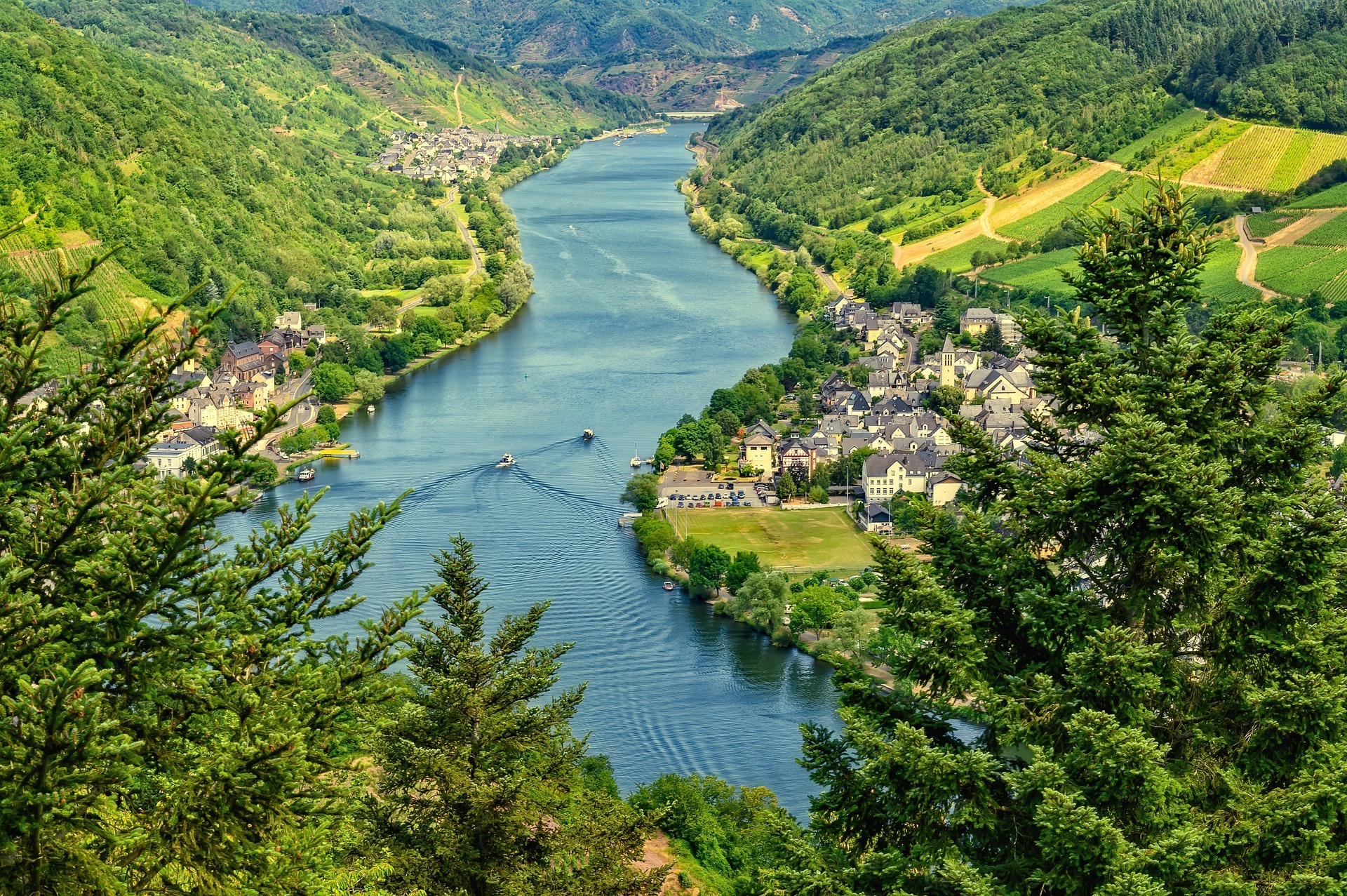
Safe Stream Crossings for Scouts
Crossing a stream can look like a simple outdoor challenge, but even shallow water can present serious hazards. Moving water can affect balance, slippery rocks can cause falls, and water levels can change quickly after rainfall. For Scouts, the safest crossing is often the one that has been properly planned rather than improvised. Do You…
-

Why You Should Never Swim Alone Outdoors
Swimming outdoors can be an enjoyable activity, but natural water is very different from a swimming pool. Rivers, lakes, ponds and other outdoor water can contain hidden hazards, changing conditions and difficult exits. Swimming alone removes one of the most important safety measures: having someone nearby who can raise the alarm if something goes wrong.…
-
What to Do If Someone Falls Into Water
Seeing someone fall into a river, lake or pond can be frightening, but the most important thing is to avoid becoming a second casualty. Scouts should understand that attempting to jump in after someone without the right training and equipment can make the situation much worse. The safest response is to raise the alarm, get…
-
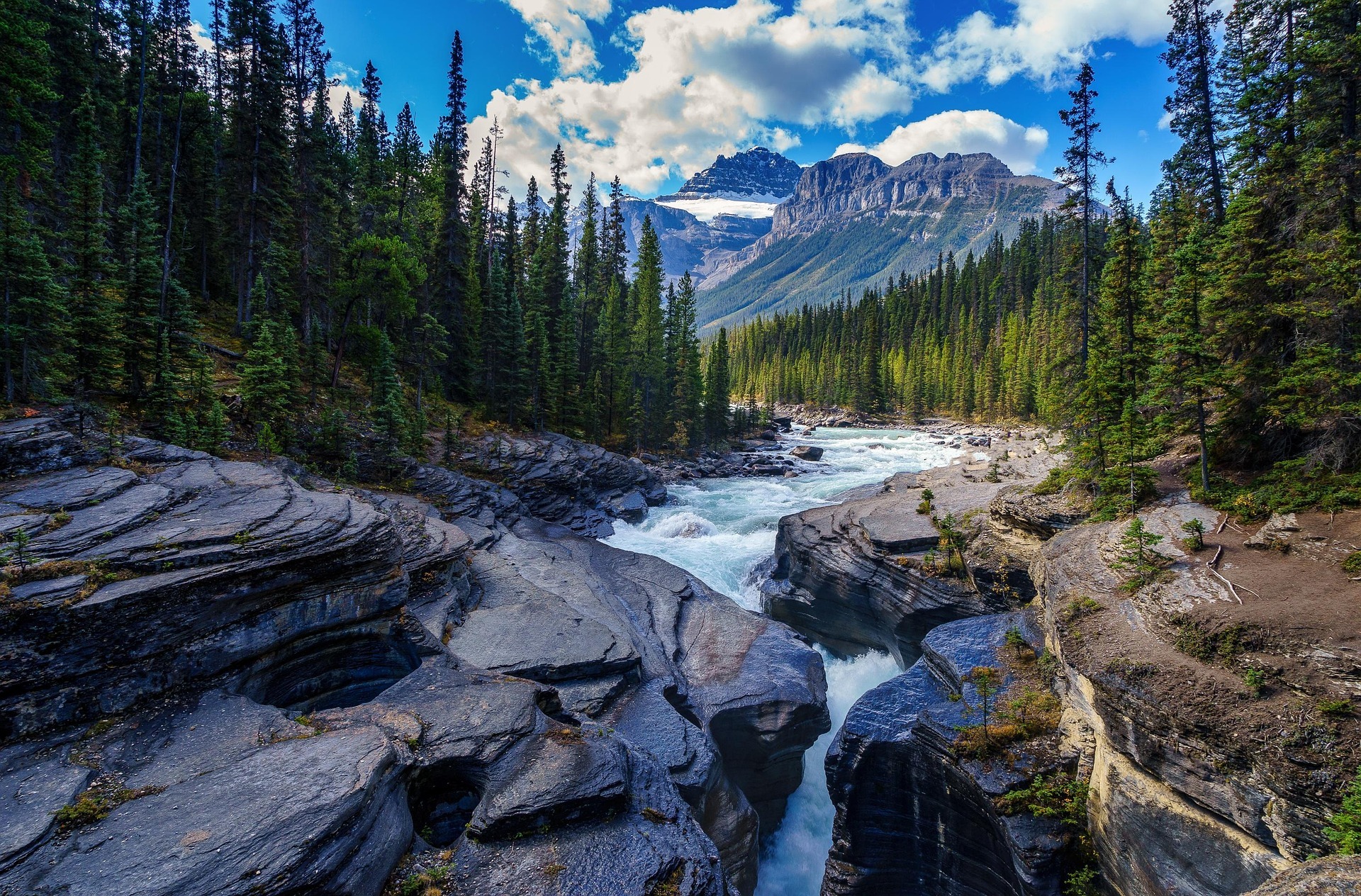
How to Recognise an Unsafe Riverbank
Riverbanks can look solid and safe while hiding hazards that aren’t immediately obvious. Erosion, loose ground, slippery surfaces and undercut sections can all make getting close to the edge dangerous. Learning to recognise these warning signs helps Scouts make safer decisions around rivers and streams. Look at the Ground Before walking towards a river, look…
-
How to Stay Safe Around Rivers and Streams
Rivers and streams can be beautiful places to explore, but moving water can be much more powerful than it looks. For Scouts, the safest approach is to understand the hazards, stay within agreed boundaries and avoid entering or approaching water unnecessarily. Understand the Current Moving water can push against your legs and make it difficult…
-
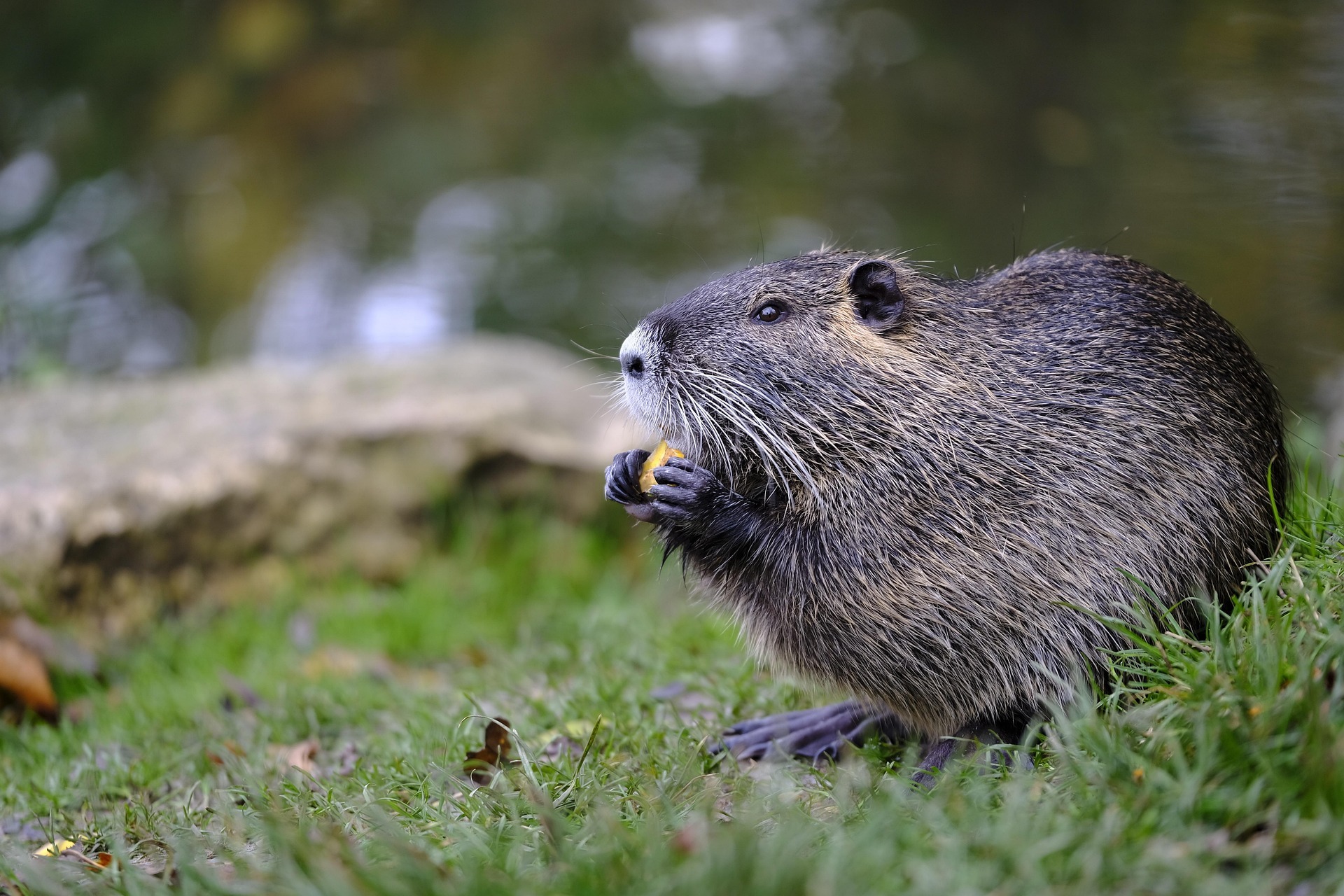
How Animals Can Help You Find Water
Animals need water just as people do, so signs of animal activity can sometimes provide clues about where water may be found. For Scouts, this is an interesting way to combine survival skills, nature observation and tracking. However, animal signs should be treated as clues rather than a guaranteed method of finding water. The priority…
-
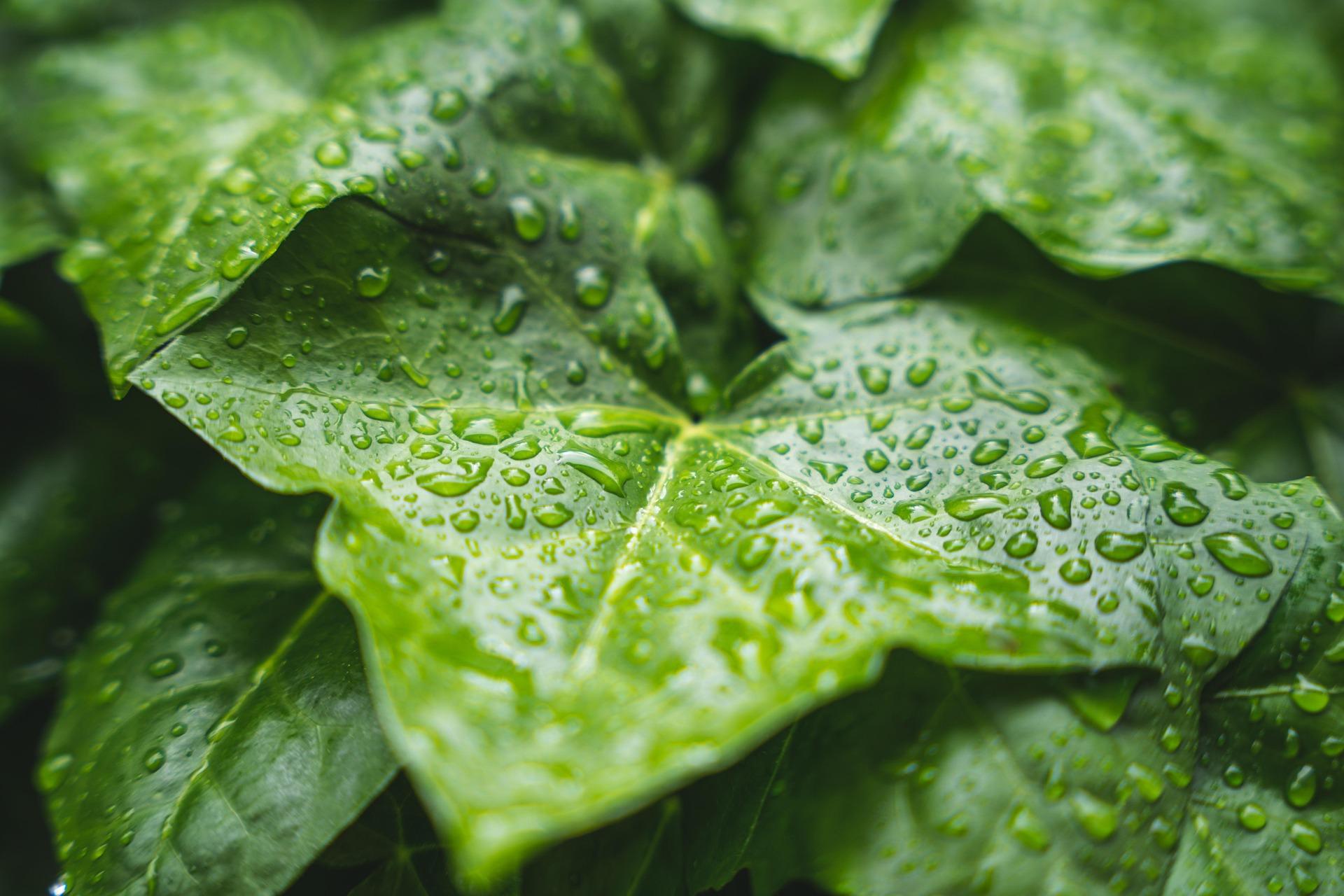
How to Follow the Land to Find Water
Understanding how water moves across the landscape is a useful survival skill for Scouts. You don’t always need to spot a stream immediately. By learning to read slopes, valleys, gullies and natural drainage, you can make an educated guess about where water is more likely to be found. This is a skill based on understanding…
-
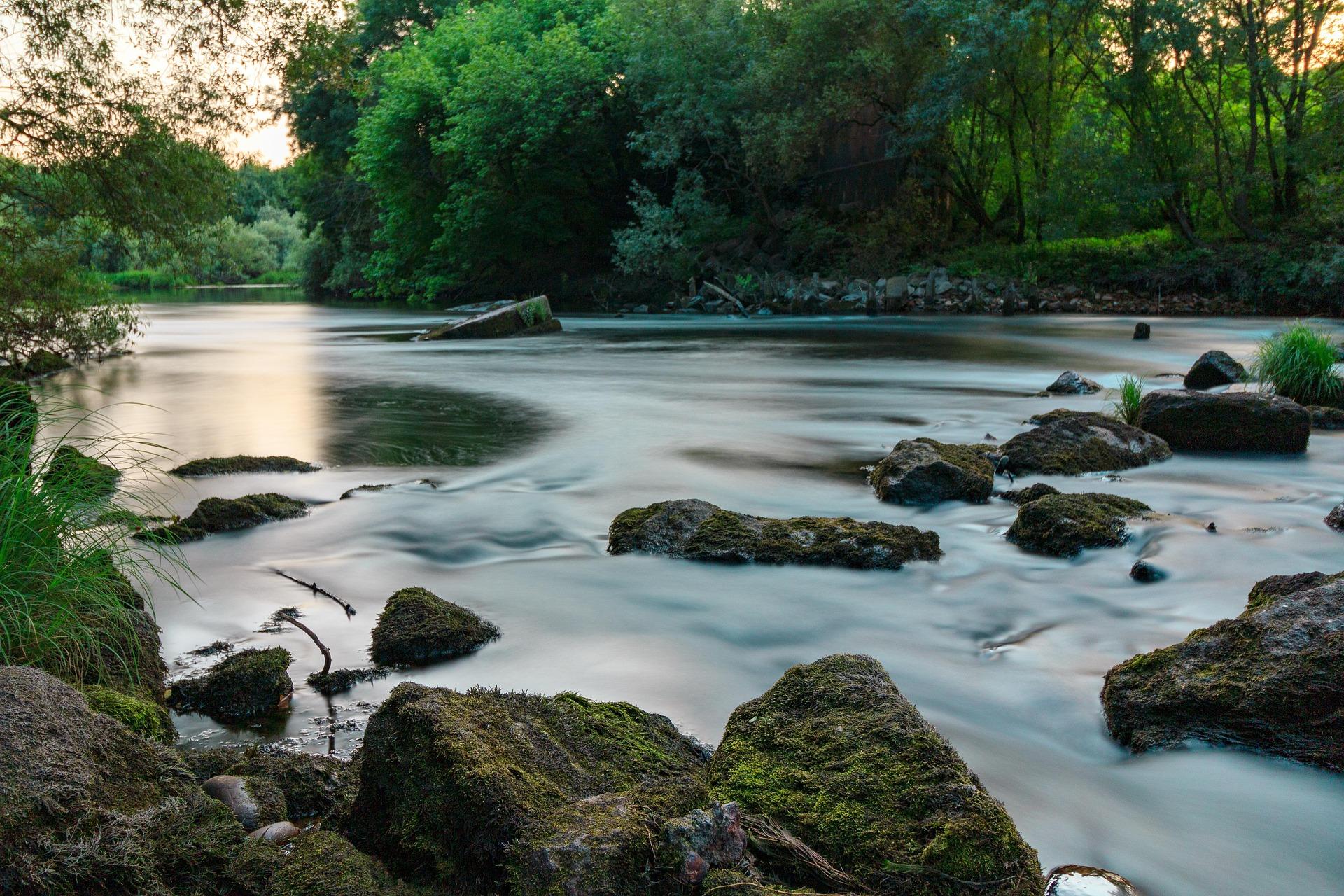
How to Recognise Signs of Water in the Outdoors
Knowing where water might be found is a useful outdoor skill for Scouts. You don’t always need to see a stream or pond immediately. The landscape, vegetation, animal activity and shape of the ground can provide clues that water may be nearby. However, finding water and finding safe drinking water are two different things. A…
-
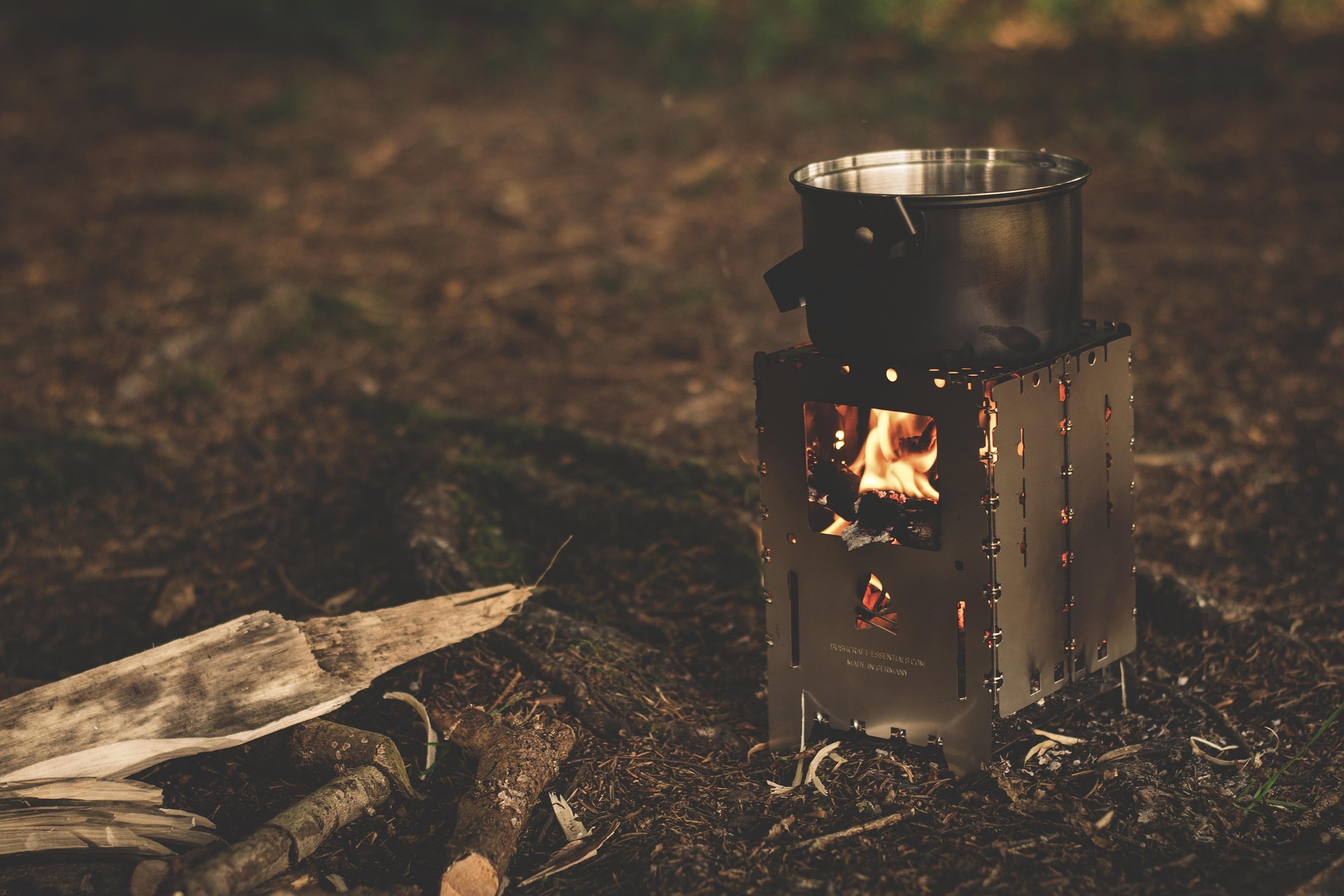
How to Set Up a Camp Kitchen
A well-organised camp kitchen makes outdoor cooking easier, cleaner and safer. Whether Scouts are using camping stoves or another approved cooking system, the cooking area should be planned before equipment is unpacked. Good organisation helps everyone understand where to work, where equipment belongs and how people should move around the area. Choose a Suitable Location…
-

How to Organise a Campsite
A tidy campsite isn’t just easier to look at. Good organisation helps Scouts find their equipment, move around safely and work together more effectively. Camp can quickly become messy when tents, rucksacks, cooking equipment and outdoor gear are spread across the site. Developing simple routines helps keep everything under control. Give Everything a Place One…
Explore Pure Bushcraft
Looking for something specific? Explore our activity plans for practical outdoor sessions, take on our survival challenges, or browse our badges to discover new skills and achievements to work towards.
Whether you’re looking for Scout activities, survival skills, camping ideas, navigation resources or practical outdoor learning, explore the rest of Pure Bushcraft to find your next challenge.